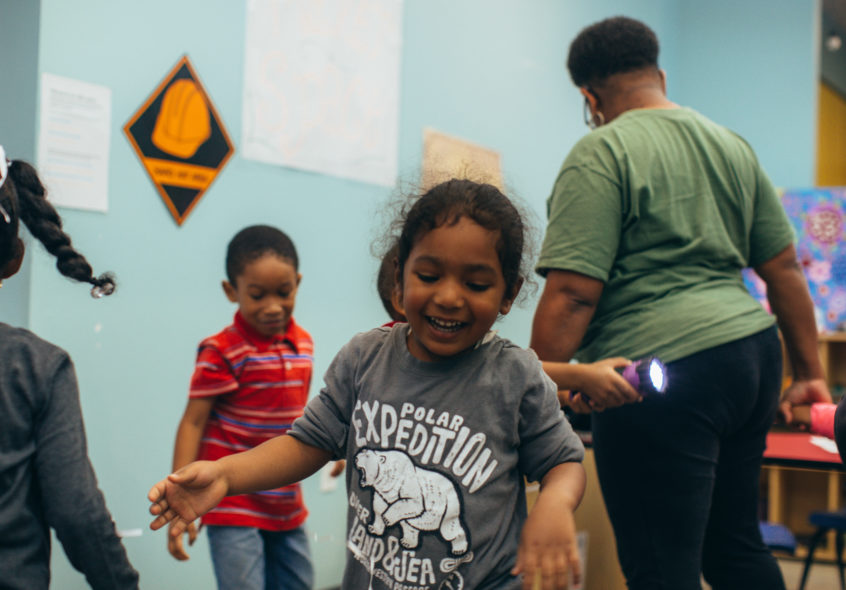
A new research brief published by Pennsylvania Partnership for Children summarizes results from two studies on Pennsylvania’s Pre-K Counts program, recent research on the benefits of pre-kindergarten programs, and calls to action for routine reviews.
About
The brief summarizes results from an analysis conducted by the University of North Carolina-Chapel Hill that includes two studies looking exclusively at Pennsylvania’s Pre-K Counts program, and also highlights recent research from across the country showing the benefits of pre-k, and calls for frequent and independent reviews of the efficacy of the Pre-K Counts program.
Key Takeaways
The brief highlights several key takeaways, including:
-
- pre-k student learning gains;
- positive outcomes from the program that are consistent statewide;
- the potential for pre-k to help diminish summer learning loss;
- the opportunity to improve the system to see more positive outcomes for pre-k students that participate in two years of pre-k as three- and four-year-olds; and
- positive feedback from families engaged in Pre-K Counts.
Read the Brief
To read the full brief, visit the Pennsylvania Partnership for Children website.