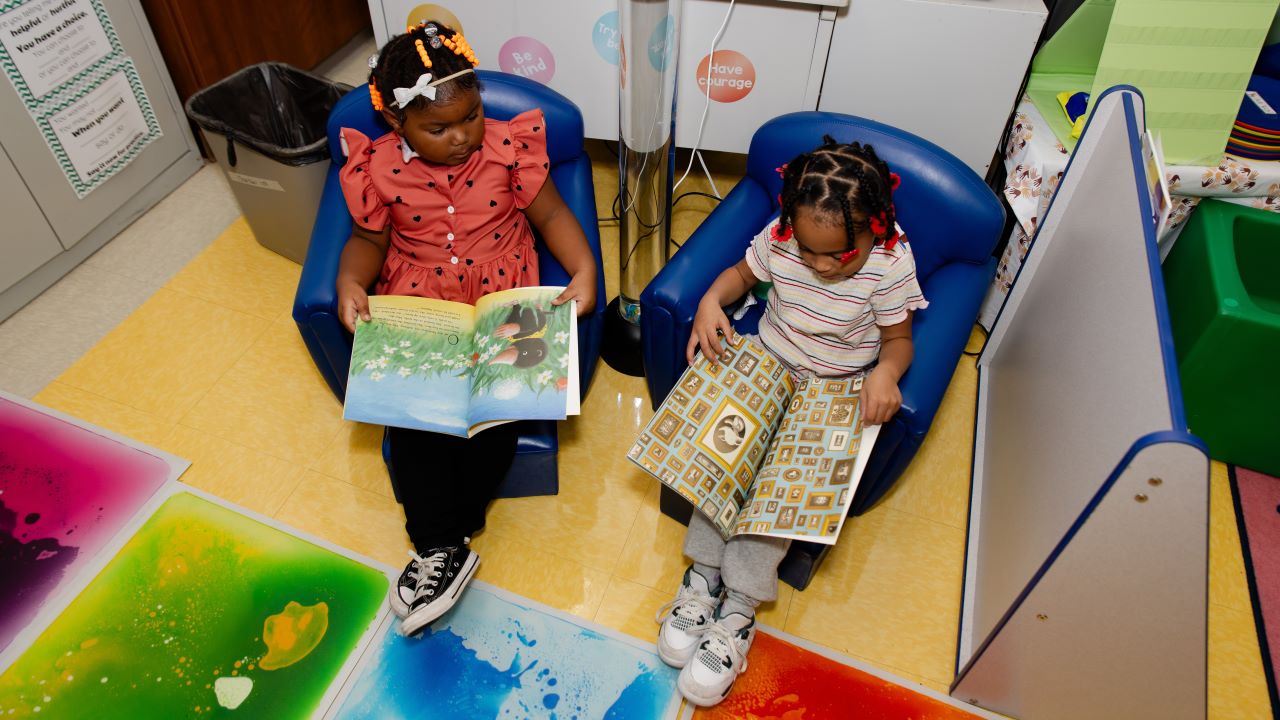
Resource Emphasizes Importance of Summer Reading for Children

News

July 14, 2026

Resource Emphasizes Importance of Summer Reading for Children

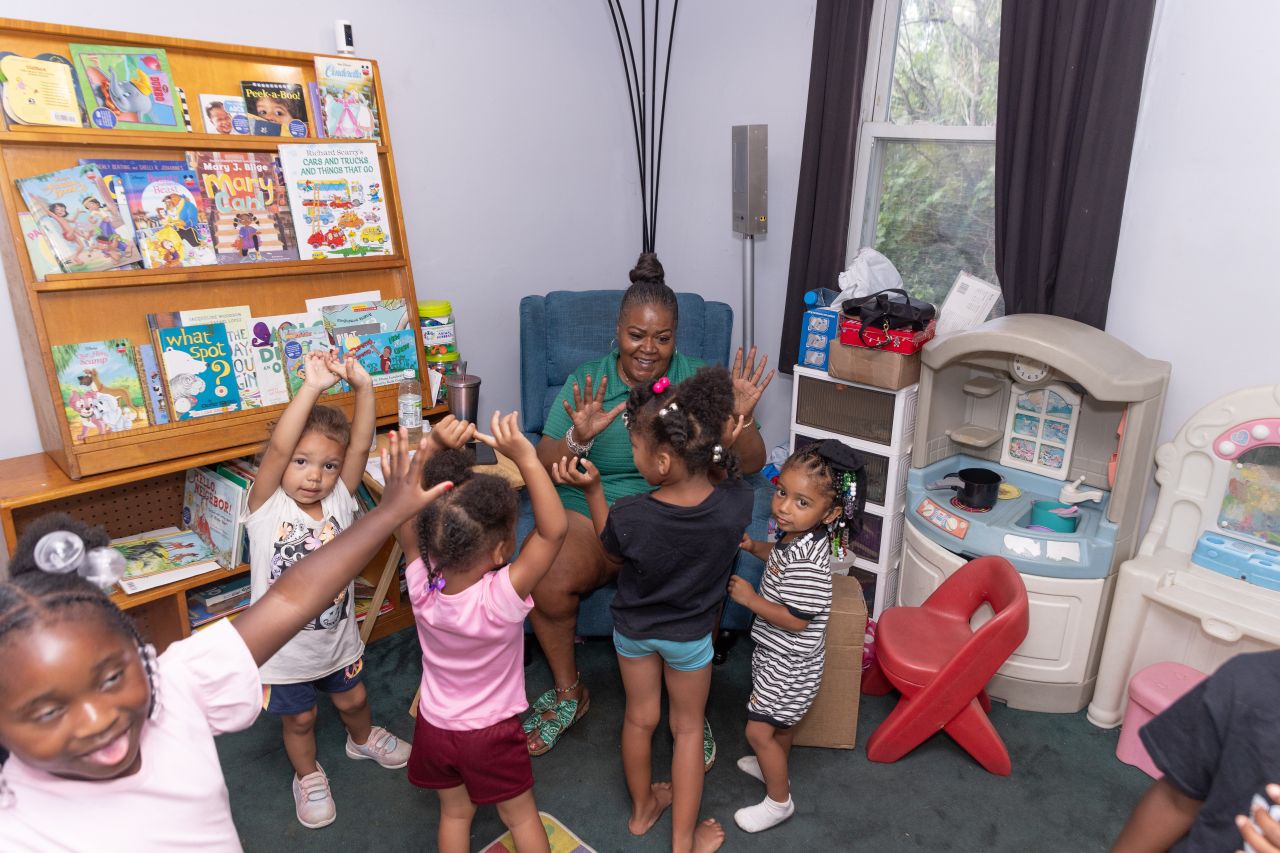
Summer provides a much-needed break for children from school routines, but it’s also an important time to ensure that the learning doesn’t stop for a long period of time.

Learn More

Reading Rockets has provided a guide on why summer reading is important for young children. It provides some ideas on how to make the summer a fun time for reading, writing, exploring, creating, and other activities.

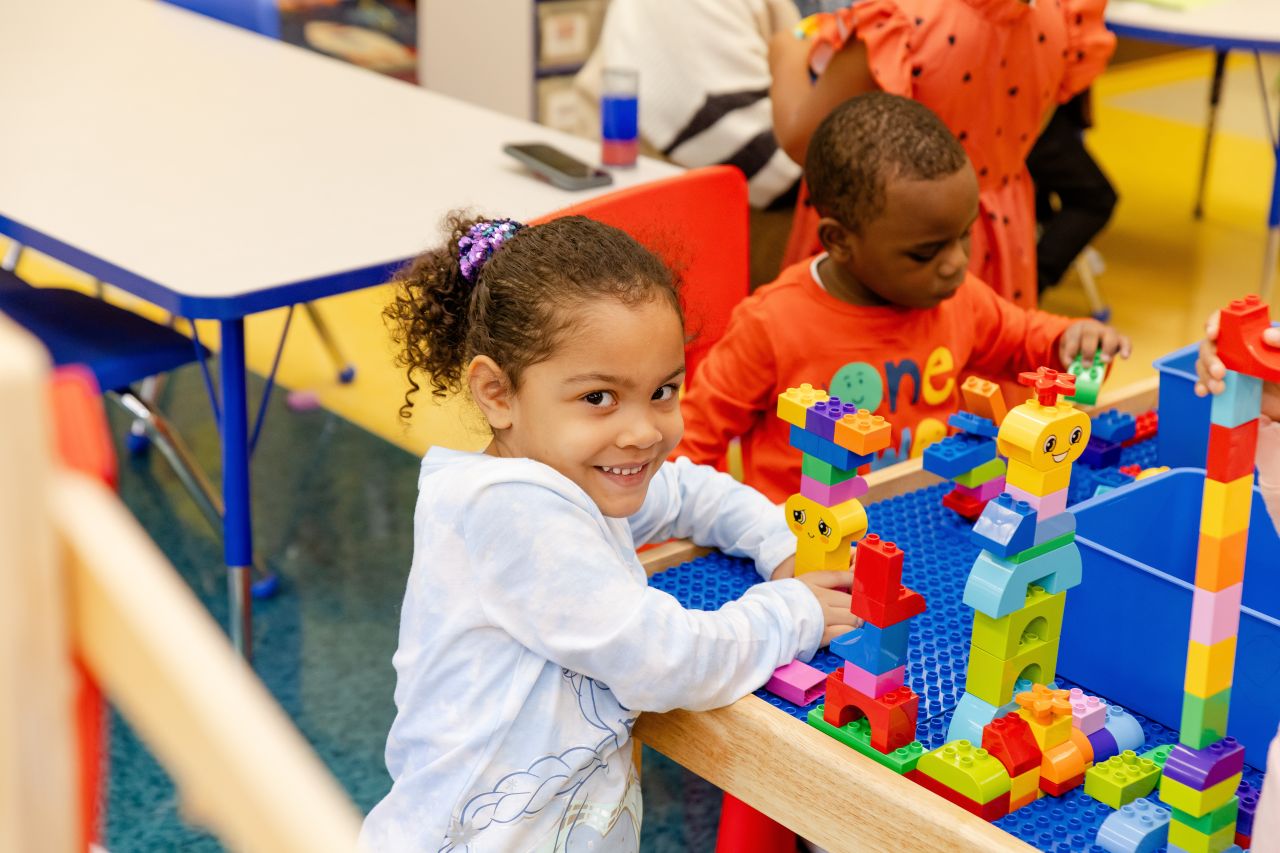
Some children will likely be in community programs or camps for part of the day during summer, but other children will have less structure. Therefore, it is important to keep children’s minds engaged.

Reading Rockets notes that enrichment during the summer – whether it’s reading, writing, or hands-on activities – has numerous benefits. These include:

  • Preventing the summer slide: If learning slows down over the summer break, children can lose some of the academic gains they made during the school year. This is especially true of children who are already struggling academically. Reading and writing over the summer can help them to practice their skills.
  • Build vocabulary and comprehension: Reading comprehension can be improved by reading regularly. Summer reading exposes a child to new vocabulary, and reading widely across different genres gives them the opportunity to wrestle with more challenging books.
  • Strengthen writing skills: Children should also keep writing during the summer, even if it’s low-stakes writing – a grocery list, a nature journal, or postcards to family members.
  • Learn new things and build background knowledge: Summer reading, writing, and hands-on learning are great ways for children to expand their knowledge and understanding of the world. Encourage children to try a new topic or genre.

To learn more, check out Reading Rockets’ article on the importance of summer learning.
NAEYC Asks for Educators to Take Survey on Regulatory Systems and Requirements

News

July 13, 2026

NAEYC Asks for Educators to Take Survey on Regulatory Systems and Requirements

The National Association for the Education of Young Children (NAEYC) is asking for early childhood educators currently working in programs across a variety of settings to take a survey.

Learn More

The workforce survey is intended for teachers, assistant teachers, coaches, specialists, program directors, and administrators in early learning programs. 

It is primarily focused on experience with implementing licensing, quality and other regulatory requirements, and systems that support children’s health, safety, and learning.

Responses to the survey will help NAEYC to understand how current policies are working in practice, where providers face challenges, and what is needed to support safe, high-quality early learning environments.

Those interested in participating should fill out the survey no later than Monday, July 27. It should take about 10 to 15 minutes to complete.

To be entered for a chance to win a $100 gift card, enter your email address at the end of the survey.

PA Promise for Children Recommends July Books for Preschoolers

News

PA Promise for Children Recommends July Books for Preschoolers

PA Promise for Children has released its list of July books for preschoolers, providing eight titles across four categories.

Learn More

The list of books is included in PA Promise for Children’s latest Kindergarten Here I Come newsletter. The four categories for the selections include Language and Literacy Skills, Science Thinking and Technology, Mathematical Thinking and Expression, and Health, Wellness, and Physical Development.

This month’s selections include:

Language and Literacy Skills

  • Sorting Through Spring (Lizann Flatt)
  • Stick and Stone (Beth Ferry)

Health, Wellness, and Physical Development

  • Fireflies! (Julie Brinckloe)
  • Summer Days and Nights (Wong Herbert Yee)

Science Thinking and Technology

  • Mud Puddle (Robert Munsch)
  • When Day Became Night (Jules Miller)

Mathematical Thinking and Expression

  • Two Speckled Eggs (Jennifer K. Mann)
  • Mouse Shapes (Ellen Stoll Walsh)

To view the entire list, visit PA Promise for Children’s website.

Registration Open for 2026 Meaningful Play Conference

News

Registration Open for 2026 Meaningful Play Conference

Registration is open for the Meaningful Play conference that will be held at Carnegie Mellon University on October 13 to 15.

Learn More

The conference – which will be hosted by the university’s Center for Transformational Play in partnership with Michigan State University – will focus on the power of games and play.

The conference will bring together academics, game designers, innovators, game researchers, game developers, government organization or NGO interested in games, students, and educators to explore how games and play can change people’s lives. 

The event is intended for those who make or study games. Games and prototypes will be exhibited during the event.

Those interested in attending can register online.

Family Swim to Return to Pittsburgh Pools Starting on July 13

News

July 10, 2026

Family Swim to Return to Pittsburgh Pools Starting on July 13

Family Swim will return to neighborhood pools citywide as part of the city’s summer aquatics program starting on Monday, July 13.

Learn More

Family Swim will take place from 5 p.m. to 7 p.m. on Monday through Friday and during all weekend pool hours.

This provides children under the age of 15 with the opportunity to enjoy the pool alongside a parent, guardian, or other adult age 21 or older during a dedicated Family Swim session.

Similar to Adult Lap Swim, which offers designated time for adults only to swim for fitness and exercise, Family Swim provides a dedicated opportunity for families to enjoy the pool together.

City Pool schedules are available online, but operating schedules – including weekend hours – may vary by location. Poolgoers should check with their local pool for days of operation and complete daily schedules.

Child Mind Institute Resources Focus on Children’s Summer Anxieties

News

July 8, 2026

Child Mind Institute Resources Focus on Children’s Summer Anxieties

For many children, summer is a relaxing time during which they can take a break from homework or getting up early in the morning – but the season can also bring its own stressors.

The Child Mind Institute has released some resources on some of the things that stress children during the summer, whether it’s summer camp, unpredictable schedules, or travel.

Learn More

Changes in routine can cause worry about the unknown, especially for children who struggle with mental health challenges such as ADHD or anxiety.

The Child Mind Institute’s resources include a discussion on how to support children who might be feeling anxious about summer activities. They feature some suggestions for children who are nervous about camp, whether it’s apprehension about meeting new people or fear of being separated from their caregivers for longer than they’re used to.

The resources also include a piece in which experts weigh in on how to make travel easier for children with mental health challenges and how to support children who are easily upset by sensor surprises, such as hot sand or loud firecrackers.

Lastly, the resources include an article on how to manage boredom and use it to help children develop independence.

The Child Mind Institute’s resources include:

Resources Provide Tips on Monitoring Children’s Summer Screen Time

News

July 7, 2026

Resources Provide Tips on Monitoring Children’s Summer Screen Time

While some might consider summer fun to be swimming, barbecuing, or taking part in an adventure outdoors, many children would prefer the extra time to play their favorite video game or spend time on TikTok.

In a new set of resources, the Child Mind Institute notes that loosening the rules for screen time might seem fair when school’s out – however, a lack of rules will not work.

Learn More

The institute’s strategies for summer screen time rules include information on how to offer children more freedom to play games or connect with friends online without encroaching on what they need to do to stay healthy during the summer months.

The beginning of the season is a good opportunity to assess a child’s tech use, identify the risks you want to avoid, and make a practical plan.

The resources also include an article on screens and neurodivergent children, including those with autism, ADHD, or a learning disorder. It focuses on how these children might be able to get an additional benefit from online engagement, but also be more vulnerable to addictive or unsafe behaviors.

One article addresses the issue of when children are ready for social media use, while another discusses how to create a structure for the summer that makes children feel comfortable. There are also pieces on how to get children to spend more time outdoors and how building chores into their lives helps to teach them responsibility and feel the value of contributing to the family.

The Child Mind Institute’s resources include:

Thriving Kids Podcast Episode Tackles Effects of Smartphones and Social Media on Children

News

Thriving Kids Podcast Episode Tackles Effects of Smartphones and Social Media on Children

Although smartphones and social media are often cited as significant factors that contribute to the youth mental health crisis, a new episode of the Thriving Kids podcast discusses how research on the matter isn’t as cut and dry.

Learn More

In the podcast episode, Dave Anderson, PhD, the Child Mind Institute’s senior psychologist and vice president of public engagement and education, discusses this topic with Candice Odgers, PhD, a professor of psychology at the University of California who is one of the leading researchers studying technology and adolescent mental health.

For more than 20 years, Odgers has tracked young people’s daily lives, often through their own phones, to understand what shapes their well-being. In the podcast episode, she explains that data shows social media to be one of the weakest predictors of children’s mental health, how correlation can get mistaken for causation, and what evidence shows about phone bans in schools.

She also emphasizes that family relationships, quality friendships, sleep, and the well-being of adults in their lives are what really matters when it comes to supporting children’s mental health.

Some tips provided during the podcast for supporting a child’s mental health without making the phone the entire conversation include:

  • Look at the whole picture, not just the screen: When something feels off, resist the urge to blame the phone first. Make sure a child is getting the basics that protect mental health – real-world social connection, enough sleep, and activities that help to build identity and self-confidence.
  • Keep the line of communication open: Think of your role as scaffolding – give children age-appropriate independence while keeping a line of open communication so they feel that they can come to you. Children are more likely to tell a caregiver when something goes wrong online if they respond to problems calmly and without judgment, and not immediately resorting to taking a device away.
  • Pay closer attention to children who are already struggling: Children going through a difficult time or under stress are more vulnerable to the downsides of social meda. Keep an eye on how a child seems after they have been on their phone. If they are withdrawn, upset, or showing signs of anxiety or depression, it’s worth a closer look and, if necessary, a conversation with a mental health professional.
  • Model the balance you want to see – especially with sleep: Children notice how the adults around them use their phones. Set an example with phone-free dinners and family time, and protect sleep with a no-phones in the bedroom policy after a set time. Sleep deprivation is among the most common contributors to low mood in teens.

For more information, listen to the Thriving Kids podcast.

A+ Schools Asks Programs Serving Children to Take Transportation Survey

News

July 6, 2026

A+ Schools Asks Programs Serving Children to Take Transportation Survey

A+ Schools is asking Pittsburgh nonprofits that serve children or youth to take a survey regarding the costs involved for the transportation of children to their programs.

Learn More

A+ Schools notes that transportation is often cited as a barrier for why children don’t take advantage of programs that support their academic or social-emotional growth. However, many programs in the Pittsburgh region provide free transportation, whether it’s in the form of Pittsburgh Regional Transit bus passes or vans or shuttles.

A+ Schools created a survey to help better understand the transportation costs for youth-serving nonprofits in Pittsburgh. The goal is to increase funding for youth Pittsburgh Regional Transit access that would help them get to school, sports, tutoring, mentoring, and other out-of-school time activities.

The survey only takes about two minutes to complete. A+ Schools will not share any participating organization’s name or information that it provides without permission.

Questions in the survey include:

  • The monthly cost for transportation for students in the program
  • How much of that cost is related to buying Pittsburgh Regional Transit bus passes
  • How much a program would anticipate saving if students had a monthly bus pass that would allow them unlimited rides

Fred Rogers Productions Names Trying Together Early Childhood Intervention Coordinator to Advisory Board

News

Fred Rogers Productions Names Trying Together Early Childhood Intervention Coordinator to Advisory Board

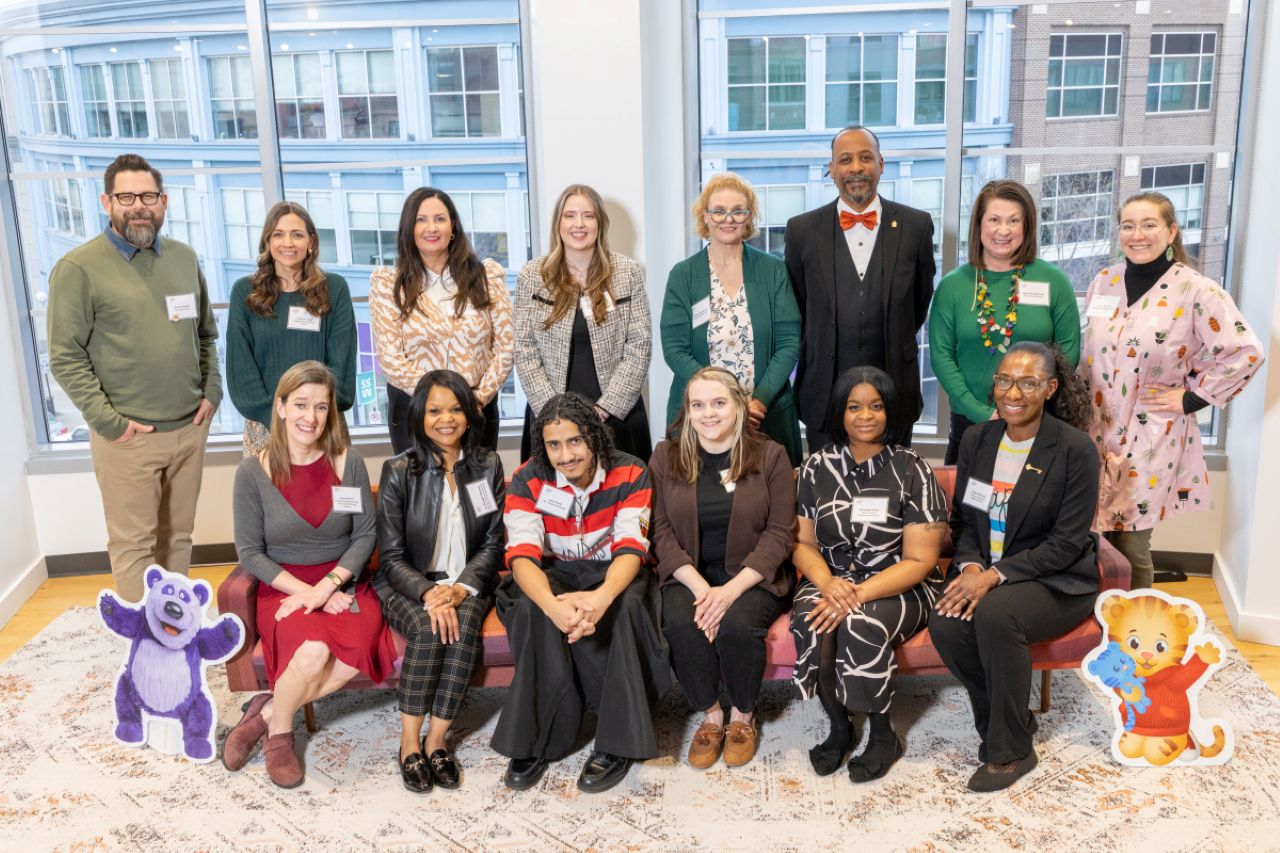
Fred Rogers Productions has named an early childhood intervention coordinator for Trying Together to its recently launched Education Impact Advisory Program.

Learn More

In April, the nonprofit children’s media company named after the iconic TV personality Mister Rogers kicked off the new initiative, which is composed of education professionals who provide insights into early childhood learning contexts, offer feedback on the media company’s content and resources, and co-create new educational engagement activities that are aligned with the company’s mission.

Kelly Palko, an early childhood intervention coordinator for Trying Together, was recently added to the 15-member cohort.

“Being a part of the Fred Rogers Productions Education Impact Advisory is both an honor and an incredible opportunity to continue the legacy of a person who believed deeply in the power of meaningful connections,” Palko said. “As an educator and a parent, I am inspired by Mister Rogers’ commitment to helping children feel seen, valued, and understood – and I am grateful to play even a small role in carrying those values forward.”

Advisors in the program will serve through July 2027. The cohort will interact with the teams behind the company’s award-winning series, such as “Daniel Tiger’s Neighborhood,” “Donkey Hodie,” and “Alma’s Way” to ensure the company’s content meaningfully connects with and supports children, caregivers, and educators.

Advisory members include professional teachers and principals, curriculum experts, early childhood education specialists, librarians, and child care providers.

The advisory board will:

  • Take a deep dive into the company’s series and educational frameworks
  • Share real-time insight from their own professional experiences
  • Co-create new activities and resources inspired by the company’s content
  • Serve as ambassadors for Fred Rogers Productions’ content in their respective communities

Other advisory board members from the Pittsburgh region include Grace Evans, SOY Pittsburgh coordinator at the Latino Community Center; Tiffany Harkleroad, youth services manager at the Butler Area Public Library; and Caitlin Lucas, kindergarten teacher at Keystone Oaks School District.

Photo by Jorge Santiago, courtesy of Fred Rogers Productions.