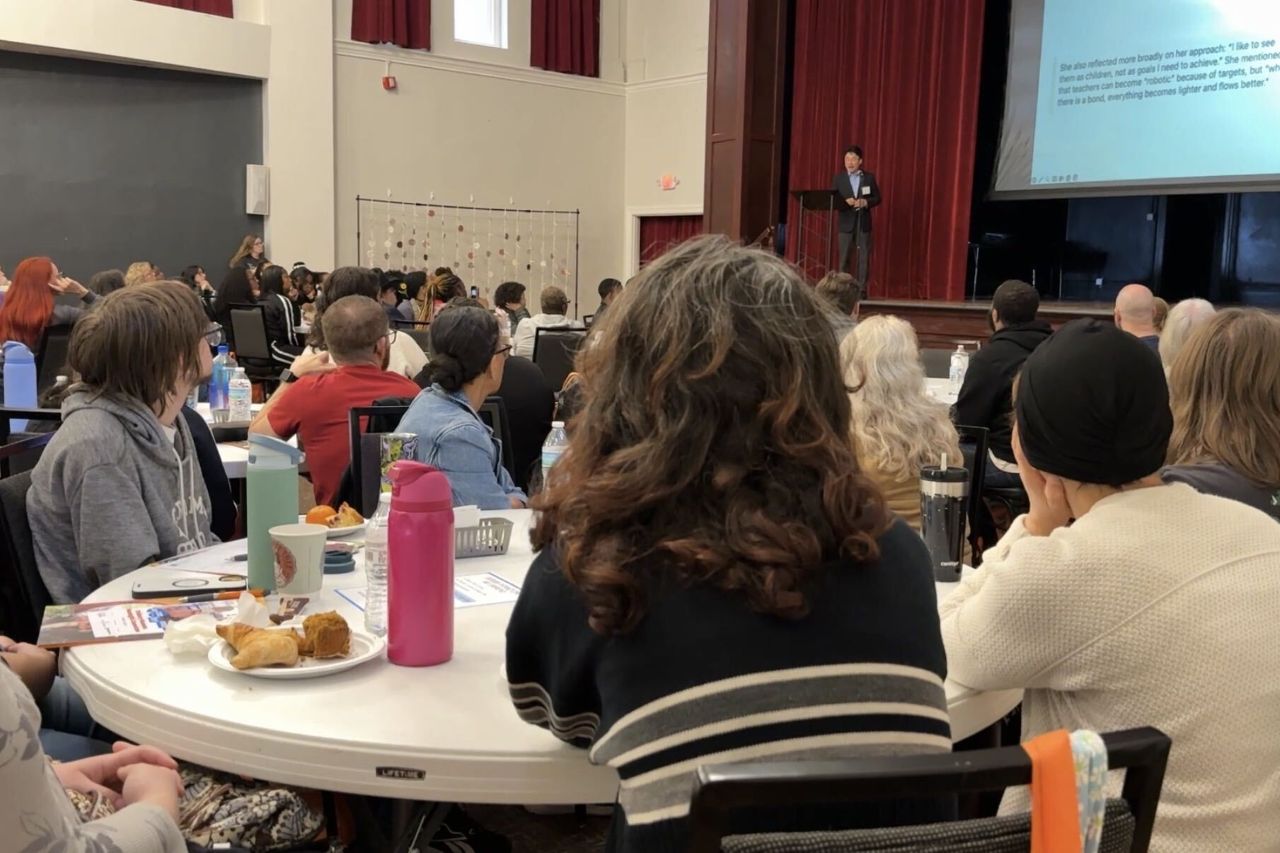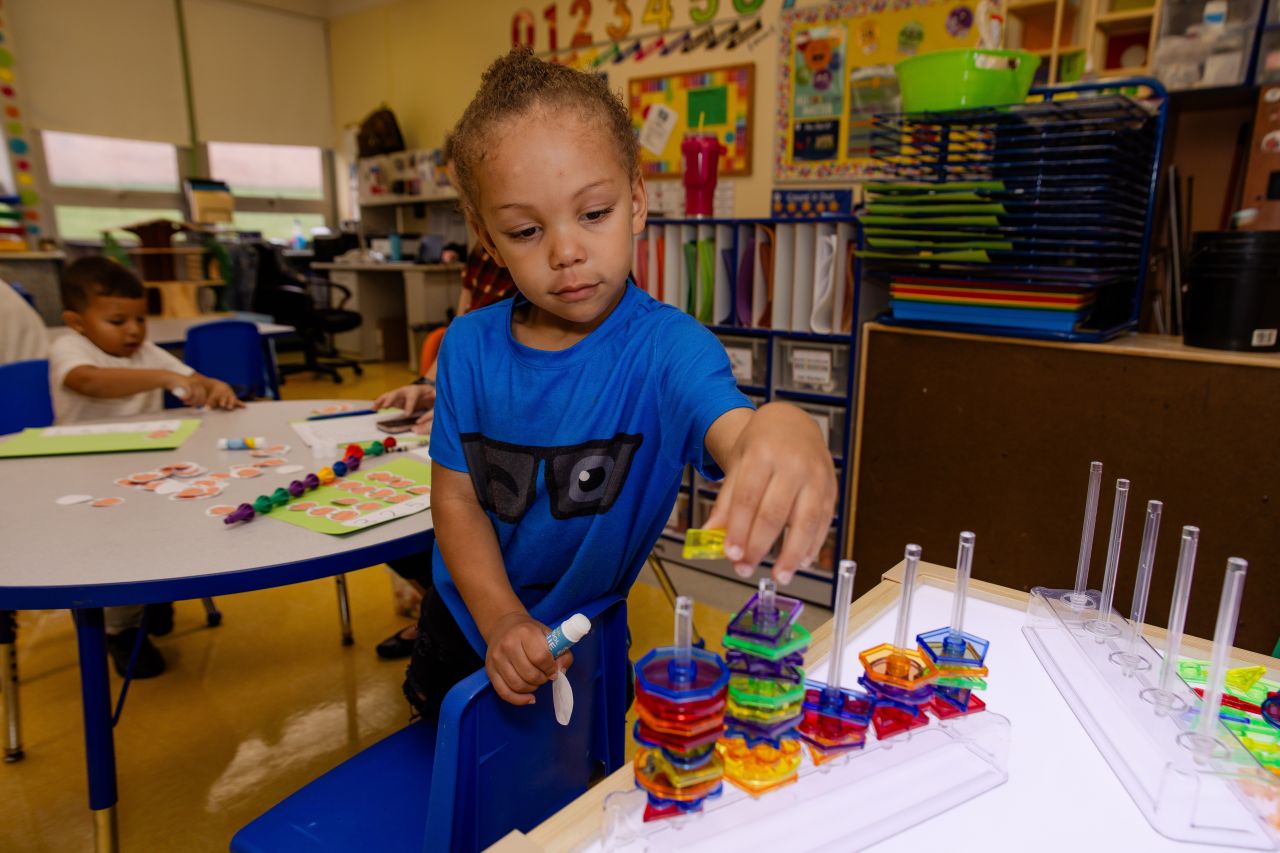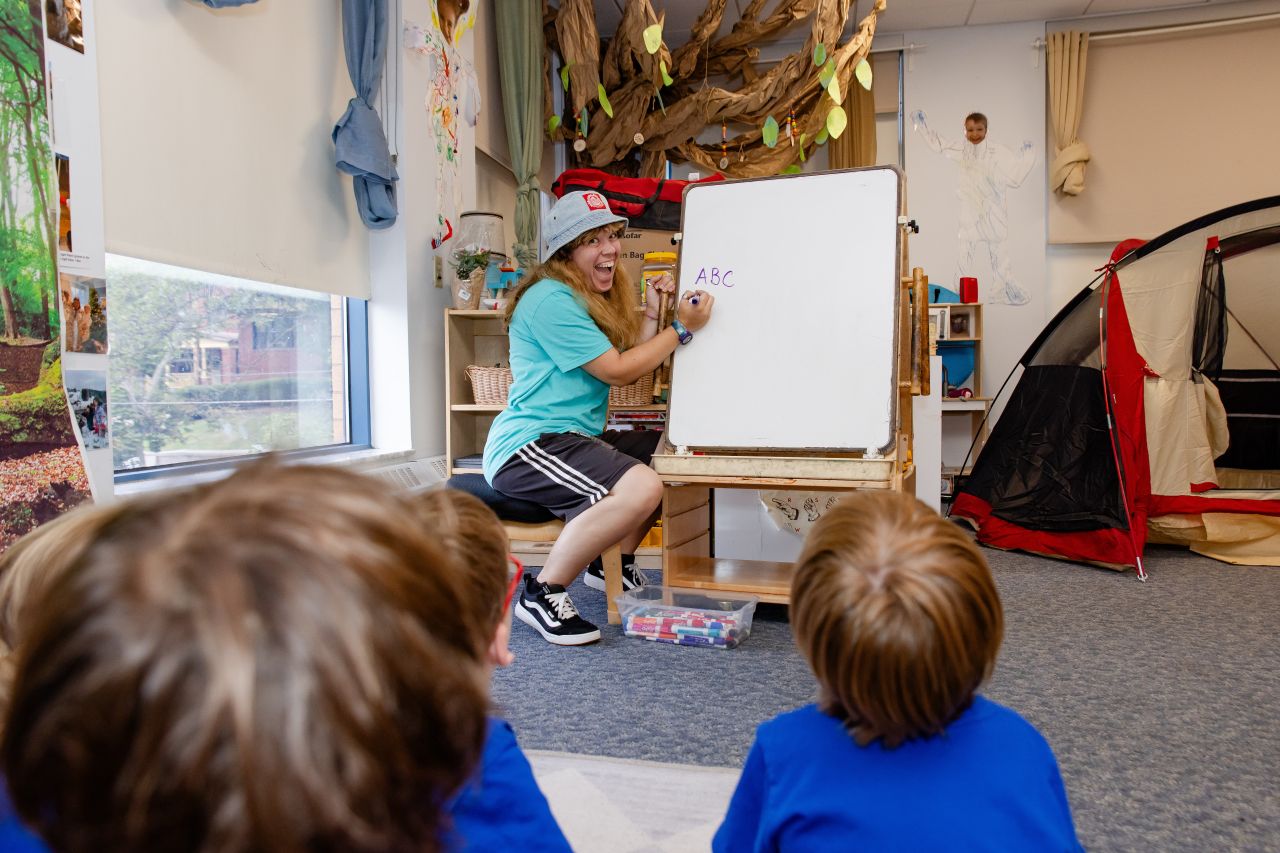
December 5, 2025 Registration Open for UnConference: Kindergarten Transition Registration is now open for Trying Together’s UnConference: Kindergarten Transition scheduled for Monday, February 16 at the Allegheny Intermediate Unit. Learn More The UnConference will highlight multiple aspects of preparing children for kindergarten, from early intervention practices and engaging parents to play-based learning and emotional regulation. Attendees will hear from a keynote speaker as well as a panel of experts on kindergarten registration and readiness. Participants will also attend sessions in the morning and afternoon that are led by local and national early childhood organizations. More Details The UnConference will run from 8 a.m. to 2:30 p.m. at the Allegheny Intermediate Unit, located at 475 E. Waterfront Drive in Homestead. The fee to attend is $25. Registration is required and now open. Free parking will be available in the AIU parking lot, and overflow parking is available across the street. A light breakfast with coffee and tea will be available and lunch will be provided as part of the registration fee. The event will begin with keynote speaker Swati Adarkar, the former deputy assistant secretary for policy and early learning at the U.S. Department of Education. Then, participants will listen to a panel of experts who will discuss how early intervention plays a critical role in supporting kindergarten transitions and how to support and improve on-time kindergarten registration and readiness. A total of 4.5 PQAS and Act 48 credit hours will be available for attendees. Trying Together will host the event in partnership with the Allegheny Intermediate Unit, United Way of SWPA, and Hi5!. Workshops Attendees will take part in two sessions – one in the morning and another in the afternoon – led by local and national early childhood organizations. During registration, participants will be asked to make selections for the two workshop time slots. Workshops include: How Community Partnerships Strengthen Kindergarten Readiness Efforts A K.I.N.D. Framework for Engaging Parents Preparing for Kindergarten with Fred Rogers Productions Strengthening My Early Learner: A Parent’s Journey The Power of Play About UnConference The UnConference is an innovative, hands-on professional development training format in which a deeper experience is provided around a particular theme. Local and national speakers are invited to present and participants are encouraged to engage hands on in the workshops. The day concludes with a roundtable discussion on how to apply these experiences and ideas in the early childhood environment and share ideas on how to partner with new colleagues.
December 4, 2025 CLASP Releases Guidance for Parents’ Rights Regarding Children During ICE Detainment The Center for Law and Social Policy (CLASP) has released guidance regarding rights that parents should know about in case they are detained by Immigration and Customs Enforcement (ICE). Read More Parents have a right to make decisions about the care and safety of their children, even while in ICE custody. The National Immigration Law Center and the Center for Law and Social Policy jointly developed a resource for immigrant parents that details the rights that parents have while being apprehended and detained. ICE’s policies include a responsibility to ensure that detained parents have a say in the care of their children. Five things that parents should know about ICE policy include: At the time of arrest, parents have the right to make decisions about the care and custody of their children. Parents have the right to be kept near their child or stay in touch with them while detained. Parents can ask for help in most detention centers to help make plans for their children. Parents can be part of their child’s welfare court case while in ICE detention. Parents can decide whether their child will remain in the United States and make alternative care arrangements. For more information, read CLASP’s resource on knowing one’s rights while being detained by ICE.
December 3, 2025 Trying Together Surpasses Fundraising Goals for Give Big Pittsburgh Thanks to the generous support of donors, Trying Together exceeded its fundraising goal for Give Big Pittsburgh, a 24-hour online fundraising effort held on GivingTuesday that was hosted by Pittsburgh Magazine and presented by GBU Life. The organization’s goal for the day was $5,000, but ultimately raised $7,180. Learn More The donation form will remain open until the end of the year, but individuals who want to make a year-end donation can do so on Trying Together’s website. Cara Ciminillo, Trying Together’s executive director, said that donations made on GivingTuesday will help to further the organization’s mission of ensuring that every child has quality early care and education. “Thank you to those who donated through Give Big Pittsburgh on GivingTuesday,” she said. “Every gift, whether big or small, fuels this work. And every dollar moves our community closer to the care system children deserve. I’m incredibly fortunate to lead an organization filled with people who show up every day for children, families, and early educators across Southwestern Pennsylvania. We believe in a future where every child has access to affordable, high-quality care and education – and where the educators who make that possible are valued, supported, and fairly compensated.” Double Your Donation Donors can double their donation if their employer has a matching gift program. Once an individual makes a donation, they will be prompted to check for matching gift opportunities. They will be prompted to enter their employer’s name and the Double the Donation database will identify whether the employer has a matching gift program and determine if the donor was eligible. If eligible, the donor is guided through the process of submitting a matching gift request to their employer. How Donations Help Individuals who donate to Trying Together are helping to support a number of initiatives, including: Community-Based High School Child Development (CDA) Program Buzzword literacy initiative Rapid Response Team Developmentally Appropriate Parenting (DAP) Resources series Homewood Early Learning Hub & Family Center Diaper & Formula Banks Institute for Early Childhood Career Pathways Pediatric First Aid/CPR Facilitation and Instruction Home-Based Child Care Business Cohort To learn of other giving opportunities, visit Trying Together’s Give Now page.
Article Discusses Importance of Caregivers Teaching Children to Cultivate Gratitude Whether it’s difficulty during the holiday season or just a time when children and their caregivers might be going through a period of stress or crisis, it can be a challenge to look at things in a positive manner. In a recent article, PBS Kids for Parents discusses how families can find things to be grateful for even during difficult times. Learn More In the article, child development and behavior specialist Betsy Brown Braun, who is also the author of “Just Tell Me What to Say,” said that gratitude is a life skill that is learned. She notes that it is important for caregivers to help cultivate gratitude in children, especially when times are difficult. There are a number of reasons why it might be challenging to feel grateful, such as job losses, health problems, relationship struggles, or other issues. Braun suggests adopting one of the following tips as a first step to combat the challenges in the attempt to cultivate gratitude in children. Acknowledge the stress – Rather than deny or ignore issues, discuss the highs and lows of life with children. Let them know that life is rarely a perfectly straight line, but that while it is important to acknowledge the valleys, try to spend more time looking at life from the peaks. Focus on what you have – Be deliberate in a daily focus on the good, regardless of whether you are in a peak or valley. Make a list of what you have, including the smallest things, and also share the abstract – such as love among family, the joy of taking part in an enjoyable activity, or friendship. Help others – Everyone struggles at some point. While some may feel as though their family is the only one suffering, serving others in need can help to shift that perspective. Turn the simple into the special – Parents underestimate the simple joys of childhood and how everyday things can be special to a child. Adopt a childlike attitude and turn simple things into special events. Braun notes that while children may forget gifts, they are unlikely to forget experiences, so treat fun family experiences as special gifts. Fake it – For caregivers, struggles can challenge the ability to feel gratitude – but they have to practice it even if it feels forced. Words might eventually go from feeling fake to meaningful if something is said long enough to convince oneself of it. Look to the world – Those struggling with thankfulness should focus on their position and life circumstances in contrast to other parts of the world, which can help to shift their perspective. Take part in outreach to other parts of the world and get children involved. This helps to consider and appreciate what they have, compared to suffering children elsewhere. To read the entire article, visit PBS Kids for Parents’ website.
December 2, 2025 PA Partnerships for Children Report Finds Hundreds of Thousands of Children Without Health Insurance Pennsylvania Partnerships for Children has released a new report that found more than 153,000 children in the state are currently without health insurance, which is the highest number in a decade. Learn More The 2025 State of Children’s Health Insurance found that the spike has taken place at a time when federal policy changes threaten to make matters worse. The recently-passed H.R. 1 includes nearly $1 trillion in Medicaid cuts over the next 10 years along with new work requirements and increased out-of-pocket costs. This could result in 310,000 Pennsylvanians losing health care coverage. The report also found that disparities persist in a lack of coverage for children. A total of 7.3% of Hispanic children were uninsured, which is the highest in five years, while a total of 9% of children of other races did not have insurance. More than 49,000 children who are eligible for Medicaid remain uninsured, the report said. Also, seven counties – Berks, Bucks, Chester, Delaware, Lancaster, Lehigh, and Philadelphia – account for 45% of all uninsured children. Nearly 47% of Pennsylvania children rely on Medicaid, CHIP, or Pennie for health insurance. But with premium tax credits set to expire and marketplace costs rising, more families could lose access to affordable coverage, PA Partnerships for Children said. For more information, read the entire report, which provides county-specific data.
National AfterSchool Association to Host Healthy Eating and Physical Activity Standards Sessions The National AfterSchool Association will offer three upcoming virtual Healthy Eating and Physical Activity Standards (HEPA) sessions. Learn More The HEPA Learning Series is designed to be a collective learning experience during which out-of-school professionals can connect with each other to share best practices, resources, and challenges involved in implementing HEPA standards. Each of the three sessions will take a deep dive into a content area of the HEPA standards and will provide opportunities to share and learn from each other. There will also be an opportunity to apply strategies to go from assessment to putting the standards into practice. All three of the sessions will be held from 2 p.m. to 3 p.m. ET. Participants are free to attend any of the virtual meetings based on interest and availability. The sessions include: December 18: Staff training standards February 19: Social support standards April 16: Program support standards Those interested in taking part in the sessions should register online and email healthyOST@edc.org with any questions.
Shapiro Touts Child Care Recruitment and Retainment Program During Riverview Visit Governor Josh Shapiro and Lieutenant Governor Austin Davis joined child care workers, legislators, and community leaders at Verona’s Riverview Children’s Center on Monday to discuss child care investments in the 2025-26 budget that the governor signed in November. Learn More Shapiro dropped by the center, with which Trying Together has a long relationship, to talk about how investments in the budget would help Pennsylvania to recruit and retain child care workers, expand access to quality care, and ensure that more parents can stay in the workforce. The state’s child care industry currently has 3,000 unfilled jobs that, if filled, could serve an additional 25,000 children. Providers also continue to struggle with low wages that make it difficult to hire and retain staff. The result is closed classrooms and families being turned away. To address the shortages and expand child care availability, the 2025-26 budget established a $25 million Child Care Staff Recruitment and Retention Program that will provide about $450 annually per employed to licensed Child Care Works providers. The bonuses would support approximately 55,000 child care workers. “When parents can’t find affordable, reliable care, they can’t work – and our entire economy feels it,” Shapiro said during the event at Riverview. “We’ve taken real action to lower costs by tripling the Child and Dependent Care Tax Credit for nearly 219,000 families, but affordability isn’t enough. We also have to expand access. That’s why we’re making investments to help child care centers hire and retain talented educators. These bonuses will help to strengthen the workforce, open more slots for children, and make sure families across Pennsylvania can find the care they need.” The budget also invests an additional $7.5 million for Pre-K Counts to help providers raise wages and stabilize the early educator workforce. It also includes a $10 million increase for early intervention services to support families with children experiencing developmental delays. Riverview Children’s Center is a state licensed, four-star Keystone STARS early learning center that serves about 154 children from infancy through school age and employs 32 educators. About 15% of the center’s annual revenue comes from Child Care Works. “As a working mother, I know firsthand how essential high-quality early education and dedicated educators are – not only for our children’s development, but for the stability and success of families across the commonwealth,” said Stephanie Heakins, the center’s director. “At RCC, we are deeply committed to providing high-equity care so every child, no matter their background, begins with the strong foundation they deserve.”
December 1, 2025 PA Promise for Children Provides Tips to Help Children Learn to Read Reading skills are often developed in children before they ever even crack a book. Pennsylvania Promise for Children has put together a list of six tips for caregivers on helping children learn to read. Learn More The manner in which children hear language plays an important role in developing the skills necessary to learn to read, PA Promise for Children wrote. In a recent article, PA Promise for Children compiled a list of six things that caregivers can do to help children learn to read. These include: Talk frequently with the child and ask them to describe their day and what they did. Be sure to share your day as well. Look at books or read with the child at least 20 minutes per day. It’s OK to read their favorite book over and over. Visit the library with them to get different books. Before reading the words in a book, look at and talk about the pictures. Ask the child whether they can guess what the story might be about. While reading a book together, connect the book to the child’s personal experiences and ask what they think might happen next in the story. After reading a book, talk about what their favorite parts in the book were. Model good reading habits by reading magazines, books, or newspapers for your own enjoyment. To learn more, read PA Promise for Children’s story.
LIHEAP Enrollment for Heating Bill Assistance Opens December 3 Pennsylvania’s Department of Human Services (DHS) will open enrollment for its Low-Income Home Energy Assistance Program (LIHEAP), which helps residents to pay heating bills during the winter, on December 3. Enrollment opened late this year due to the ongoing federal government shutdown. Learn More The LIHEAP grant helps income-eligible families to pay their heating bills. Those who receive assistance do not have to repay it. LIHEAP offers both cash and crisis grants. Cash grants are one-time payments sent to a family’s utility company or fuel provider to help pay their heating bills. The grants range from $200 to $1,000 and are based on household size, income, and fuel type. Crisis grants are available for families experiencing an emergency situation involving the loss of heat. Families can receive more than one crisis grant, if necessary, until a maximum of $1,000 is reached. Crisis situations include: Broken heating equipment or leaking lines Lack of fuel Gas or electric service that has been shut off Danger of being without fuel within 15 days or have received a shut-off notice for gas or electric services How to Apply To receive help, families can apply through the COMPASS websites, by visiting a local county assistance office, or by calling the statewide LIHEAP hotline at 1-866-857-7095. The 2025-26 season was scheduled to begin on Monday, November 3 and end on April 3, 2026. However, the DHS said this week that the federal government shutdown has led to it pushing back the start date to apply for LIHEAP by a month. Those who apply do not need to be on public assistance or to have an unpaid heating bill. Applicants can either rent or own their home. Those applying will need to provide: The names of people in their household Dates of birth for all household members Social Security numbers for all household members Proof of income for all household members A recent heating bill
November Recalls on Children’s Products Below is a list of October recalls from the following federal agencies: the Consumer Product Safety Commission, the Food and Drug Administration, and the National Highway Traffic Safety Administration. Learn More Criblike recalled mattresses that pose a serious risk to children of injury or death by entrapment or suffocation. The mattresses may not adequately fit certain play yards or non-full-sized cribs. Babies can suffocate in gaps between an undersized mattress, extra padding, and side walls of a product. Konges Slojd recalled three-wheeled children’s scooters because the left front wheel can detach during use, posing a fall hazard. Consumers should contact the company for a full refund or voucher. Napei recalled its infant bath tubs due to the possible risk of children’s serious injury or death from ingestion. The tubs contain button cell or coin batteries that can be easily accessed by children. If ingested, they can cause serious injuries, internal chemical burns, or death. AliExpress recalled its convertible strollers due to the risk to children of serious injury or death by falling. The strollers violate the mandatory standard for such products because their restraint systems can fail. Bearlala recalled its baby loungers because their sides are too low to contain an infant. The enclosed openings at the foot of the loungers are wider than allowed, posing fall and entrapment hazards to infants. Mallimoda recalled its children’s pajama sets because they violate mandatory standards for children’s sleepwear. The pajamas pose a risk of serious injuries or deadly burn hazards to children. Anzmtosn recalled its Magnet Fidget Spinner sets due to the risk of children swallowing the toy’s loose magnets. When high-powered magnets are swallowed, they can attract each other, other metal objects or become lodged in the digestive system. Romorgniz recalled its fabric 12- and 13-drawer dressers because they pose tip-over and entrapment hazards that can harm children. The dressers are unstable if not anchored to the wall. Little Partners recalled its Children’s Grow ‘N Stow Folding Learning Towers. The platform inside the tower can collapse, posing a fall hazard to young children. Play Yards sold by Anna Queen were recalled because they pose a risk of injury or death from suffocation and entrapment hazards to children. Infants can become entrapped under the mattress or between the side of the play yard and the mattress. Umeyda recalled nightgowns that violate flammability standards for children’s sleepwear. The nightgowns pose the risk of serious injury or death to children from burns. WYBITNY recalled bed rails that violate the mandatory standards for children’s portable bed rails. When installed adjacent to the bed, children can become entrapped in the enclosed openings or the openings on the side or on the top of the mattress. Sanven Technology recalled Vevor baby swings due to suffocation hazards posed to children. The swings are marketed for infant sleep and have an incline angle greater than 10 degrees. Inkari recalled its plush alpaca toys due to the risk of children choking on them. The toys, which are intended for children under age 3, have eyes that can detach, violating the small parts ban. Bettina recalled doll sets that pose a risk of battery ingestion to children. The battery compartment of the unicorn contains button cell batteries that can easily be accessed by children. When button cell or coin batteries are swallowed, they can cause serious injuries, internal chemical burns, or death. Zippee recalled its silicone activity toys because they pose choking risks to children. The toys contain spherical ends that can reach the back of the throat. Great Lakes Wholesale International recalled select battery packs. The button cell and lithium coin batteries are not in child-resistant packaging and do not bear the required warning labels. When button cell or coin batteries are swallowed, they can cause serious injuries, internal chemical burns, or death. Zigjoy recalled its sleep sacks with feet due to burn hazards posed to children. The sleep sacks violate the mandatory flammability standards for children’s sleepwear.