About
One of the major barriers to healthy development in the United States is toxic stress, which occurs when we are threatened and the body releases emergency stress hormones that prime us to handle stressful events. Toxic stress can occur when a child experiences strong, frequent, or prolonged adversity without adequate adult support.
Learn More
Research by Kaboom finds that play is part of the solution to create supportive, responsive relationships with adults that can help to prevent the detrimental effects of the toxic stress response.

About
From infancy on, play is an important component of a child’s life. For babies and toddlers, playful interactions with adults develop brain architecture, the foundations of lifelong health, and the building blocks of resilience. Through games and activities, children can practice and strengthen executive function skills that will help them throughout their lives, including learning to focus their attention, strengthening their working memory, and developing self-control.
Learn More
Harvard University’s Center on the Developing Child has compiled a guide on brain-building through play with a series of activities for infants, toddlers, and children.
About
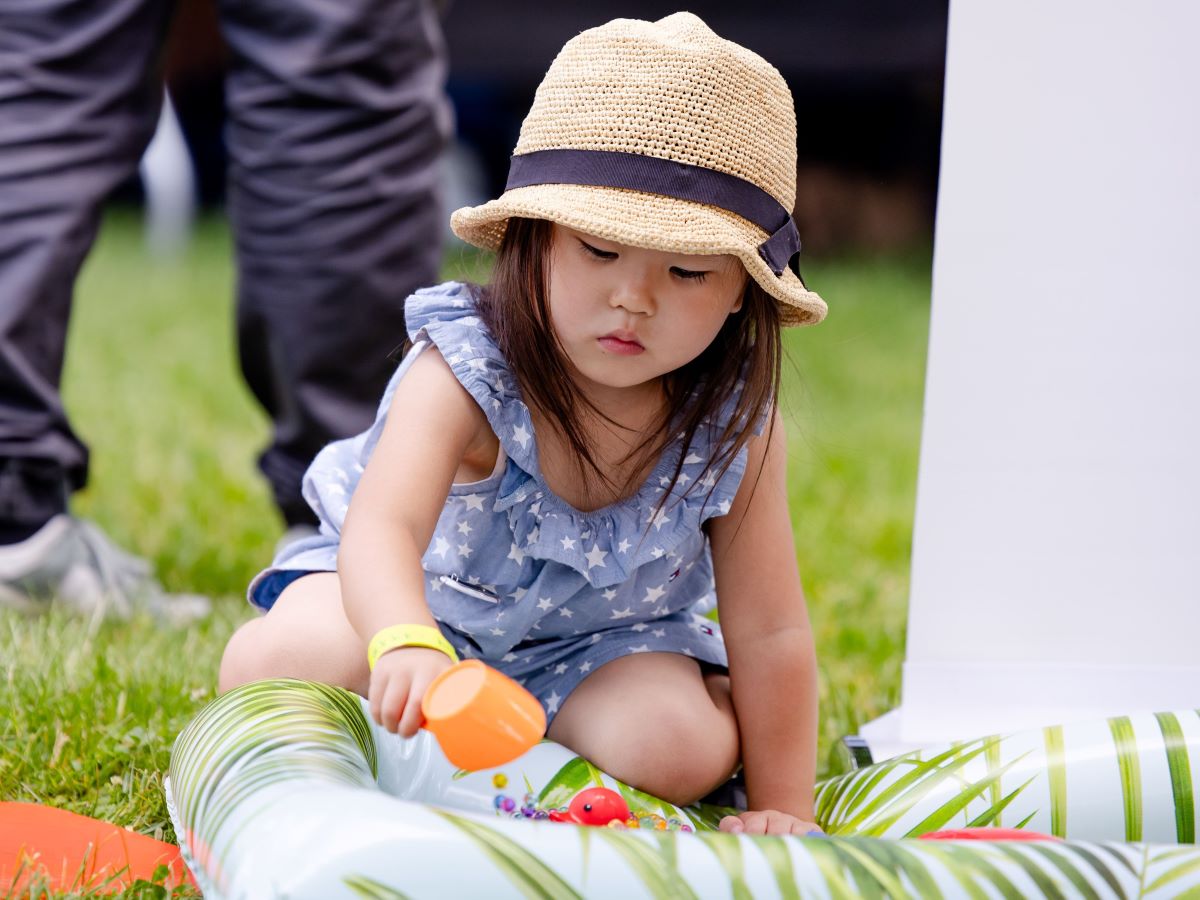
Free and guided play – also known as playful learning – are pedagogical tools through which children can learn in joyful and conceptually rich ways. Brain science research in animals has left clues along a path that may begin to reveal play’s human biological underpinnings, but more research is needed to investigate why play promotes learning and development.
In a publication titled The Case of Brain Science and Guided Play: A Developing Story, the National Association for the Education of Young Children (NAEYC) explores this concept.
Learn More
To learn more, visit the NAEYC resource website.