News

December 29, 2025

Child Mind Institute Provides Resources to Combat Academic Anxiety

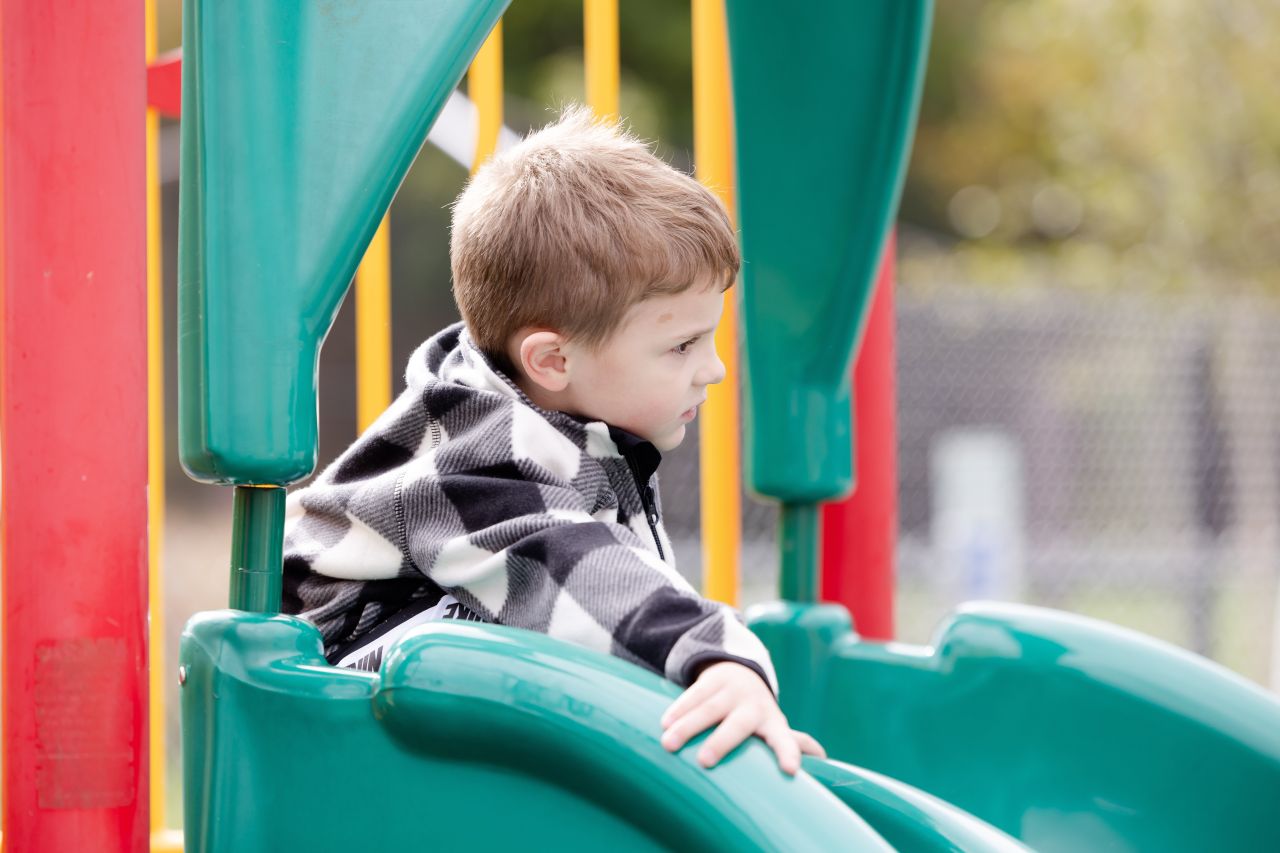
School plays a large role in the lives of children as it is the source of learning and development, and the place where they will meet many of their friends.

But for some children, school can be a principal source of stress that, for some, can turn into serious anxiety.

Learn More

The Child Mind Institute has put together a list of resources on how to combat academic anxiety, whether a child is losing sleep, avoiding school, or melting down over homework. Anxiety can undermine both a child’s performance and affect their well-being.

The resources examine anxiety that is triggered by school which can, in turn, result in a difficulty in concentrating in school. Such issues can be caused by generalized anxiety disorder or an obsessive perfectionism that can be a sign of OCD.

The Child Mind Institute’s resources cover everything from how to help children with test anxiety and when stomachaches or headaches can be a symptom of anxiety to ways that caregivers can handle situations when children are being too hard on themselves.

The resources include:

News

September 29, 2025

Child Mind Institute Shares Resources on Hoarding and Messy Rooms

Cleaning one’s room has become a rite of passage for many children, while staying on top of children to clean their rooms is a tradition among many caregivers. It’s a scenario that most involved do not enjoy.

Learn More

But while caregivers might believe that a child’s failing to clean their room after being asked multiple times to be a sign of defiance, a cluttered room could also result from hoarding.

According to the Child Mind Institute, children who hoard get emotionally attached to objects – occasionally even ones that might seem like trash, such as used pizza boxes, clothing tags, or rocks. In these cases, the child might get upset if someone tries to clean it up.

In a series of new resources, the Child Mind Institute dives into the topic of hoarding and how it differs from other concerns – such as the chaotic room of a child with ADHD or a teen who hides food. Hoarding is related to OCDE, but children who hoard don’t collect items to relieve anxiety. Instead, anxiety might come when they are forced to get rid of things.

The Child Mind Institute writes that the treatment for hoarding is exposure therapy, where children who hoard handle the discomfort that comes from discarding items. Some children might resist getting treatment, while others might feel ashamed about hoarding. Among the Child Mind Institute’s resources is an article on how to handle embarrassment and support children as they take steps to be more flexible.

Here are the Child Mind Institute’s resources on hoarding: 

News

May 26, 2025

Child Mind Institute Lists Best Books on Mental Health for Children

As part of national Mental Health Awareness Month, the Child Mind Institute has released a list of the best books of 2024 for children that tackle topics relating to mental health.

Learn More

Clinicians at the Child Mind Institute reviewed more than 60 titles while compiling the list and eventually narrowed it down to 20 books. 

The books on the list involved storylines or themes that helped children to understand and handle mental health challenges. The list breaks down the books by topics: anxiety, mindfulness, feelings, sadness and depression, OCD, ADHD, autism, eating disorders, and parental addiction.

The lists included

Anxiety

  • The Worry Monster (Dr. Catherine Cook-Cottone)
  • What to Do When You Worry Too Much (Dawn Huebner, PhD)
  • Invisible Isabel (Sally J. Pla)
  • Unstuck (Barbara Dee)

Mindfulness

  • A Tiny Difference (June Tate)
  • Today (Gabi Snyder)

Feelings

  • Bea’s Bad Day (Tom Percival)
  • The Hare-Shaped Hole (John Dougherty)
  • My Thoughts Have Wings (Maggie Smith)
  • Cranky (Phuc Tran)
  • A Terrible Place for a Nest (Sara Levine)

Sadness and Depression

  • The Cat Who Couldn’t Be Bothered (Jack Kurland)
  • Gray (Laura Dockrill)
  • A Voice in the Storm (Karl James Mountford)

OCD

  • The Very Best Me (Marin Canaday)
  • Puzzled (Pan Cooke)

ADHD

  • That Always Happens Sometimes (Kiley Frank)

Autism

  • Henry and the Something New (Jenn Bailey)

Eating Disorders

  • Louder Than Hunger (John Schu)

Parental Addiction

  • Breaking Into Sunlight (John Cochran)

For the entire list and the descriptions of the books, visit the Child Mind Institute’s website.