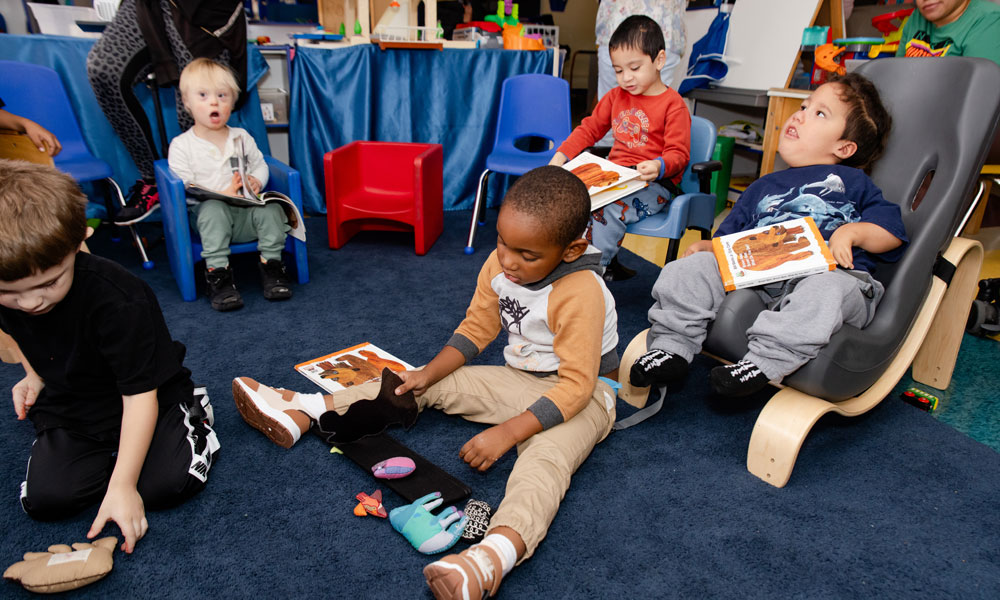
The Pennsylvania Key’s newsletter, Bright Start, Bright Kids, Bright Future, recently noted that the beginning of a new school year provides a great opportunity for caregivers to help children get into routines.
Learn More
After the summer – a season that, for children, provides more freedom than usual – it is important to ensure that children are getting back into routines. Doing so can create a sense of the familiar and stability. Routines can help to promote healthy and social emotional development.
According to Bright Start, Bright Kids, Bright Future, routines can help children to:
- Make sense of the world and learn how it is organized
- Feel secure and safe when many things in their environment are constantly changing
- Develop their ability to regulate their own emotions and behavior
- Learn skills and internalize habits through repetition
- Learn self-discipline and develop personal responsibility
- Set internal body clocks through such actions as eating meals or going to bed at the same time every day
- Have a sense of independence and autonomy when much of what happens is out of their control
- Engage in fewer power struggles, arguments, or conflicts with caregivers
- Develop confidence and self esteem as various tasks are mastered
- Anticipate and look forward to what comes next
- Have continuity, consistency, and predictability in their lives, which is important in a world that is unpredictable
Bright Start, Bright Kids, Bright Future also provided some tips on how to establish and enforce routines. Caregivers should create visual reminders or a picture schedule for a typical day. They should plan structured activity periods – for example, play a game right after a nap.
Caregivers should break routines into steps – such as ordering activities when getting ready for bed: bath, pajamas, brush teeth, story time, and singing. It is also helpful to prepare a child for transitions from one activity to the next – for example, tell them that in a certain amount of time the next activity will commence.
Developing regular routines for daily activities – meals, bed time, or quiet time, for example – is important. But caregivers should also be flexible and creative and try not to be rigid or unable to adjust to specific circumstances.
Other resources include a Creating Routines infographic; Visual Supports for Routines, Schedules, and Transitions; and School-Age Learning Environments: Schedules and Routines.