Free Breakfast Offered for the 2023-24 School Year

News

August 22, 2023

Free Breakfast Offered for the 2023-24 School Year

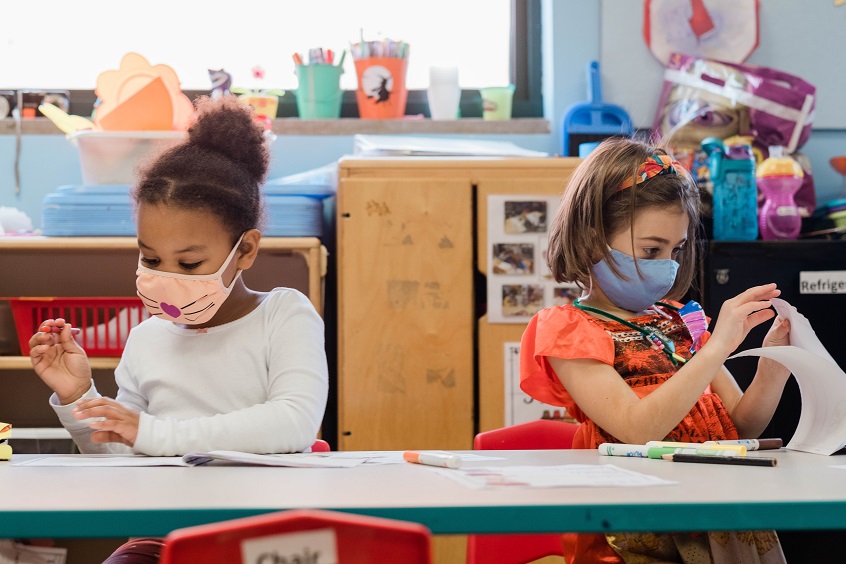
Children in Pennsylvania schools can eat breakfast for free this school year.

The 2023-24 state budget includes a $46.5 million increase to provide universal free breakfast to Pennsylvania’s 1.7 million public school students. Every public school student will be eligible to receive free breakfast regardless of income.

The funding also provides free lunch to all 22,000 Pennsylvania students who are eligible for reduced-price lunches through the National School Lunch Program.

“As I’ve traveled Pennsylvania over the past few years, one thing I heard over and over again is about how many kids come to school hungry. Every expert will tell you that you can’t learn on an empty stomach – and we cannot expect kids to learn math and science and English when they haven’t eaten anything all day,” said Governor Josh Shapiro in a news release.

Check with your child’s school to learn more about their food service program and offerings for school breakfast.

Apply: Child Care Indoor Air Quality Improvement Pilot

News

August 21, 2023

Apply: Child Care Indoor Air Quality Improvement Pilot

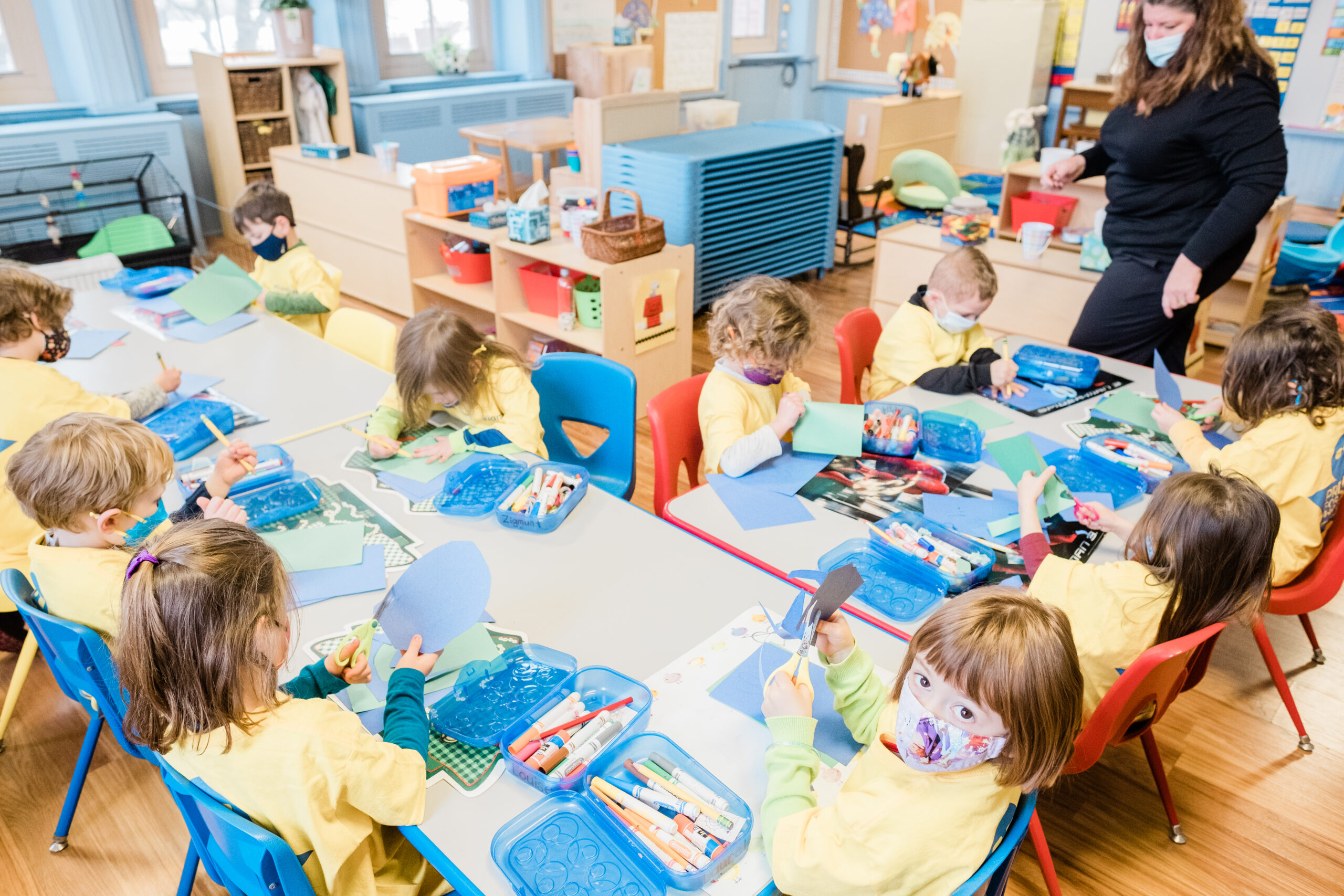
Allegheny County’s Department of Children Initiatives (DCI) and the Allegheny County Health Department (ACHD) are piloting a program to improve the indoor air quality of regulated child care programs.

About

The program aims to reduce the spread of the COVID-19 virus and other common respiratory infection viruses. The pilot seeks to understand if these reductions can reduce the frequency and severity of asthma flares in children and improve children’s program attendance rates.

Child care programs will receive expert support in identifying the appropriate measures to improve indoor air quality. Costs for necessary modifications and equipment will be covered.  There will be no costs to child care programs selected to participate.

Submit an application to participate. Applications will be reviewed on a rolling basis. Spots are limited.

Free Instructor’s Guide for Anti-Bias Education for Young Children and Ourselves

News

Free Instructor’s Guide for Anti-Bias Education for Young Children and Ourselves

Educators teaching with “Anti-Bias Education for Young Children and Ourselves” can access a free instructor’s guide to accompany the book.

Learn More

For use in courses and trainings with preservice and in-service teachers, the instructor’s guide provides chapter-by-chapter support for teaching “Anti-Bias Education for Young Children and Ourselves” —and support for exploring your own anti-bias journey.

It includes key concepts, class prep activities, teaching strategies, assignments, suggested exam questions, and tips for navigating content.

To download the free instructor’s guide, visit the National Association for the Education of Young Children (NAEYC) website.

Social Policy Study Reveals Vital Role of SNAP for Children and Families

News

August 14, 2023

Social Policy Study Reveals Vital Role of SNAP for Children and Families

A recent report from the Center for the Study of Social Policy (CSSP) has provided new insight on the critical role of the Supplemental Nutrition Assistance Program (SNAP) in the health and well-being of children and families.

About the Report

Entitled, “The Supplemental Nutrition Assistance Program (SNAP): A Vital Resource for Children, Youth, and Families,” the report combined data from existing research with insights from interviews between CSSP staff and SNAP-assisted families to build a complete picture of SNAP’s impact.

Key Findings

Key findings from the report show:

  • In 2021, SNAP reached 41.5 million people in an average month.
  • SNAP plays a critical role fighting hunger and malnutrition, and promoting economic wellbeing.
  • For families, SNAP can help lift some of the weight off parents and caregivers as they struggle to feed growing children.
  • For youth and young adults, SNAP provides some security and stability as they transition to adulthood and pursue their goals.
    • This support is especially critical for young people who age out of foster care and are disproportionately likely to struggle to afford food, as they often lose access to social services and economic supports when they leave foster care.
  • SNAP can be a critical resource for young people, helping them buy food and meet their needs as they set out on their own, further their education, embark on their careers, and form their own families.

CSSP Policy Recommendations

Though SNAP provides an enormous, essential benefit to families and youth, CSSP shared in the report that SNAP can do more to help people meet their needs and pursue their goals, offering a number recommendations. They encourage policymakers to:

  • increase benefit levels,
  • repeal the three-month time limit for adults,
  • restore access to immigrant families, and
  • lift the ban on hot food.

Learn More

To learn more, read the full report or visit the CSSP website.

Source

Information for this post was taken directly from the CSSP SNAP report. Some text may have been added, paraphrased, or adapted for readability and comprehension.

Related Content & Resources

Report: State of Early Care and Education in Pennsylvania

News

August 12, 2023

Report: State of Early Care and Education in Pennsylvania

Pennsylvania Partnerships for Children, in collaboration with Start Strong PA and Pre-K for PA, released the State of Early Care and Education in Pennsylvania.

About

Pennsylvania’s comprehensive early care and education system spans a child’s formative years, from birth to age five. This report looks deeper at Pennsylvania’s child care and pre-k system complexities and recommends the improvements necessary to ensure the system functions equitably and increases access and affordability for all families in the commonwealth.

Key findings include:

  • 68% of young children in Pennsylvania have all available caregivers in the workforce and require external care arrangements.
  • On average, costs for infant child care comprise approximately 17.5% of the Pennsylvania median family income.
  • In Pennsylvania, the average hourly wage of a child care worker is less than $12.50/hour, which is less than $26,000 annually.
  • Only 46% of all child care capacity in Pennsylvania meets high-quality standards, and only 35% of providers serving children under 5 in subsidized child care have achieved high-quality.
  • Only 43% of eligible 3- and 4-year-olds in the state participate in high-quality, publicly funded pre-k, leaving over 87,000 without access to a high-quality program.
  • Only 23% of all children served in Pre-K Counts and Head Start Supplemental Assistance Programs in Pennsylvania are Non-Hispanic Black, compared to 41% of children identifying as Non-Hispanic White.

Policy recommendations in the report include:

  • Increase state funding for the child care sector to help build an infrastructure that will support providers to cover the true cost of providing high-quality care.
  • Implement a wage scale for the child care workforce to diminish teacher turnover and stabilize the sector.
  • Increase state pre-k investments in Pre-K Counts and Head Start Supplemental Assistance Programs to expand access to more 3- and 4-year-olds.
  • Develop a pay parity policy for pre-k teachers that reflects wages provided to teachers in the K-12 system with equivalent degrees and credentials.
  • Require the Office of Child Development and Early Learning (OCDEL) to produce a report every three years that provides a clear picture of the early childhood workforce, using state- and county-level data, and include recommendations on how Pennsylvania can better support the early childhood profession.
  • Expand the number of high-quality providers by increasing incentives within Pennsylvania’s Quality Rating and Improvement System, Keystone STARS.
  • Conduct an equity audit of Pennsylvania’s early care and education system to understand better changes needed to ensure equitable access for all children.
  • Cease market rate surveys and conduct cost estimation studies using an approved cost modeling tool to determine the true cost of care.

Read the full report on the Pennsylvania Partnerships for Children website.

Recover Stolen SNAP Benefits

News

August 11, 2023

Recover Stolen SNAP Benefits

Pennsylvania residents who have had Supplemental Nutrition Assistance Program (SNAP) benefits stolen through a scam or card skimming sometime since October 1, 2022, can now file to have food stamps replaced.

According to Just Harvest, millions of dollars worth of SNAP recipients’ benefits across the nation have been stolen through card skimming machines, scam text messages, or other phishing schemes.

In December 2022, Congress passed legislation allowing stated to replace benefits that:

  • were stolen through phishing, skimming or other scams AND

  • were stolen between October 1, 2022 and September 30, 2024.

Report and Recover Stolen Benefits

Report the stolen benefits to the Pennsylvania Department of Human Services by one of the following methods:

The deadline to claim benefits that were stolen between October 1, 2022 and July 12, 2023 is September 10, 2023.

If your benefits were stolen after July 12, 2023, you have 60 calendar days from the date of the first theft to report the theft to the Department of Human Services.  Once a report is made, the claim form must be filed within 30 days.

More Information

More details about the claim process and how to protect SNAP benefits can be found on the Just Harvest site.

PA Keys Offering Virtual Coach Approach to Adaptive Leadership Trainings

News

August 9, 2023

PA Keys Offering Virtual Coach Approach to Adaptive Leadership Trainings

The Pennsylvania Key is offering virtual Coach Approach to Adaptive Leadership training sessions.

Learn More

Based on the ICF Core Competencies of Leadership Coaching for the PA Early Childhood System, this course will focus on the adaptive skills of aligning actions to values, and will build the critical thinking skills needed to support change and innovation in systems of care.

Training Dates

September 26-28, 2023 | Register

  • 9/26/2023 | 1 – 2:30 p.m.

  • 9/27/2023 | 8:30 a.m. – 4:30 p.m.

  • 9/28/2023 | 8:30 a.m. – 4:30 p.m.

November 1 – 9, 2023 | Register

  • 11/01/2023 | 1 – 2:30 p.m.

  • 11/02/2023 | 8:30 a.m. – 4:30 p.m.

  • 11/09/2023 | 8:30 a.m. – 4:30 p.m.

January 23-31, 2024 | Register

  • 01/23/2024 | 1 – 2:30 p.m.

  • 01/24/2024 | 8:30 a.m. – 4:30 p.m.

  • 01/31/2024 | 8:30 a.m. – 4:30 p.m.

March 12-14, 2024 | Register

  • 03/12/2024 | 1 – 2:30 p.m.

  • 03/13/2024 | 8:30 a.m. – 4:30 p.m.

  • 03/14/2024 | 8:30 a.m. – 4:30 p.m.

The training is open to early learning program administration and staff, OCDEL, Pennsylvania Key, ELRC, Certification, and EITA staff. All participants will earn 15.5 PD hours.

Topics include:

  • Becoming and staying present, even in the midst of chaos and conflict.
  • Identifying an engaged listener and how to become one.
  • Asking powerful questions that unlock deeper responses to leadership challenges.
  • Using communication and feedback to support adaptive work.
  • Building personal and collaborative accountability within teams.
  • Using leadership coaching skills in daily interactions.
  • Creating ongoing opportunities for internal and cross-system collaborations. Increasing effectiveness with the Coach Approach.

More Information

For more information, view the course flyer or contact Barb Willier at barwil@pakeys.org or Rasheeda Coston at rascos@pakeys.org.

Imagination Library Restarted by Foundations, City of Pittsburgh

News

August 7, 2023

Imagination Library Restarted by Foundations, City of Pittsburgh

Dolly Parton’s Imagination Library, a free book access program, is restarting in the City of Pittsburgh thanks to funding from the City and local foundations, including The Benter Foundation and the Mary Hillman Jennings Foundation.

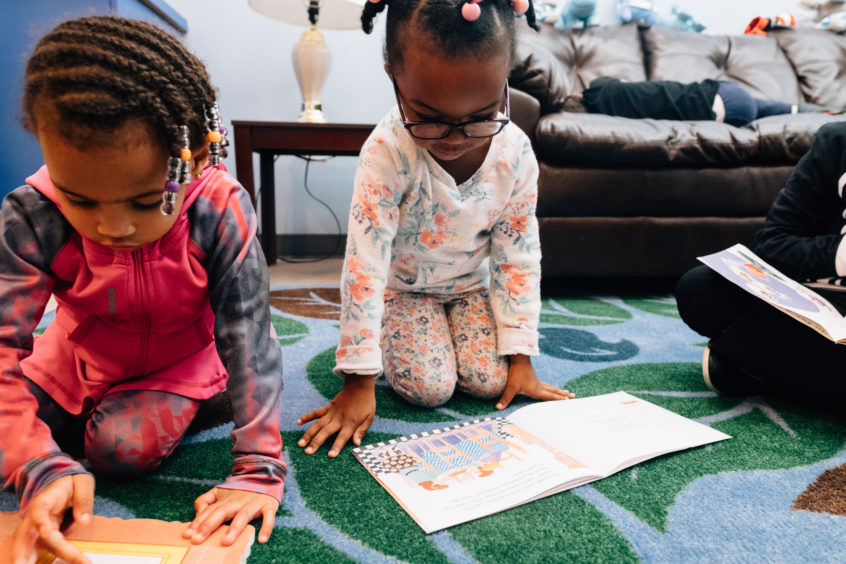
The free program sends one book per month in the mail to enrolled children ages birth to five at no cost to families.

How to Enroll

Families who reside in the City of Pittsburgh can enroll in the program by visiting the Dolly Parton’s Imagination Library website.

Families who were previously enrolled in the program will not need to re-enroll and should start receiving books again automatically.

About the Dolly Parton’s Imagination Library Restart

The program halted at the end of April 2023 for most city children after funding had run out. (A small group of children in three zip codes were still eligible to participate.)

Reading Ready Pittsburgh, a local nonprofit that supports access to books and encourages family engagement through reading, will administer the program at the beginning of the restart period.

Related Content & Resources

Survey on New Proposed Rules for the CCDBG program

News

Survey on New Proposed Rules for the CCDBG program

The Office of Child Care in the Administration for Children and Families recently released new proposed rules for the Child Care and Development Block Grant (CCDBG) program, and early learning providers are invited to give feedback via a survey.

About

The proposed changes aim to lower families’ child care costs; improve child care provider payment rates and practices; and streamline eligibility and enrollment processes.

The National Association for the Education of Young Children (NAEYC) and PennAEYC will be submitting comments on the proposed changes.

It is critical for those comments to center the wisdom, experience, and expertise of those in the early learning field. Thus, NAEYC created this 10-minute survey for the field. The survey provides some basic information about what the proposed changes would do and asks for feedback. The survey will close on Sunday, August 20.

Certification Rewrite Project Update

News

Certification Rewrite Project Update

The Office of Child Development and Early Learning (OCDEL) recently gave an update on its child care certification regulation rewrite project.

About the Rewrite

OCDEL launched the process for rewriting the child care certification regulations in October 2021. This rewrite is an opportunity for the early childhood and school-age community in Pennsylvania to co-create regulations in a way that builds stakeholder confidence in the process and:

  • Increases alignment with quality improvement

  • Promotes greater equity; and

  • Decreases burden experienced by child care providers

Get the updated project status in a recent video by Shante’ Brown, Deputy Secretary of OCDEL. Watch the video to find out when and where you can see a new draft of the regulatory package and have further input.