News

December 14, 2020

Play and Physical Activity Guide for Educators & Families, Recess Advocacy Team

About

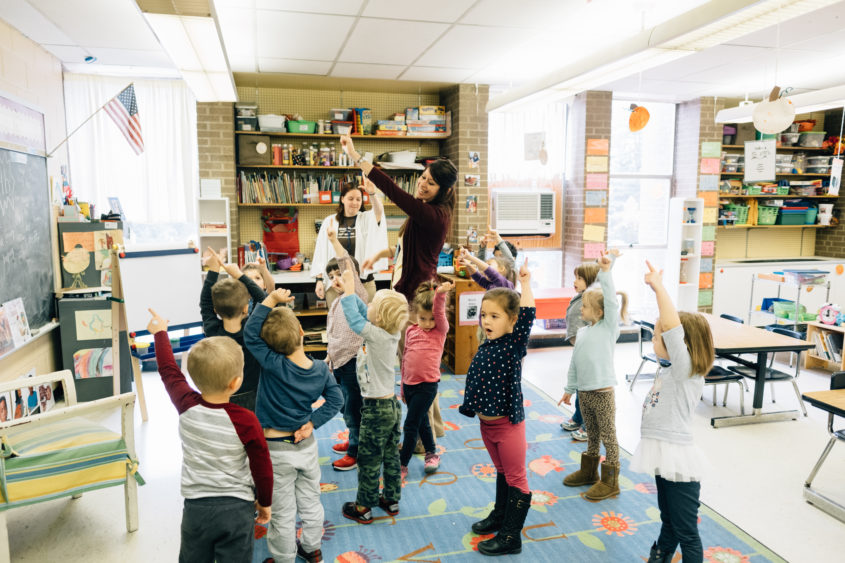
The Recess Advocacy Team compiled a list of resources for educators and families to make sure play and physical activity are a part of children’s’ days and serve as a foundation for their learning, growth, and development. The list includes resources, activities, considerations, and ways that educators and families can incorporate play and physical activity into children’s daily routines.

Resources for Play & Physical Activity

Download This Resource

The Recess Advocacy Team is a group of organizations dedicated to health and wellness, education, and play with a focus on recess practices and policies. To view the full list of resources, download the guide (PDF).
 

News

The Head Start Program and Its Benefits

About

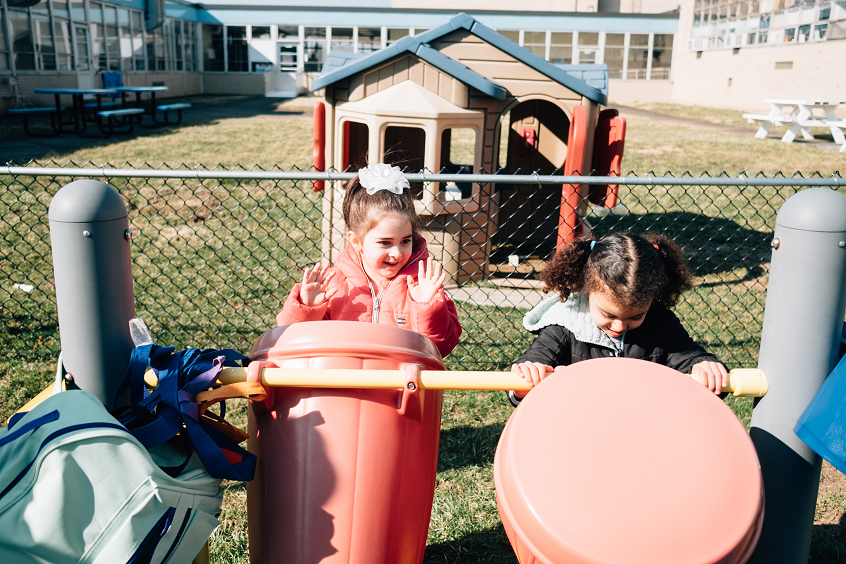
Head Start is a federal program that promotes the school readiness of children from birth through ages five that is available to families with incomes no more than 100 percent of the federal poverty guidelines. The program provides a learning environment that supports the cognitive, social, and emotional development of participating children.

Many Head Start programs also offer Early Head Start, which serves infants, toddlers, and pregnant women and their families who have incomes below the federal poverty level. To learn more about Head Start, visit Benefits.gov.

Benefits of Head Start

Did you know that children participating in Head Start programs have increased access to health care and improved physical health throughout their lifetimes? Evidence shows that Head Start children:

    • were served more fruits, vegetables, and milk and fewer sweetened beverages and other sweets and snacks, when compared to other child care sites;
    • are three times as likely to have healthy eating patterns as non-participants;
    • who received 60 minutes of outdoor playtime were 42% less likely to be obese at the end of the program year;
    • received sleep health interventions that increased their sleep duration and decreased their behavioral sleep problems;
    • had access to regular screenings, immunizations, well-child visits, dental and nutrition services, healthy meals, and social service programs such as SNAP and WIC; and
    • were less likely to be hospitalized for accident or injury, missed fewer school days, and had fewer emergency hospital visits.

Apply for Head Start

If you are interested in applying, contact a local program that is serving your community. To find a program near you, use the Head Start Center Locator tool featured on the Benefits.gov website. The program will provide all required forms and answer your questions.

To be eligible, your household must make an income lower than specific annual income limits. These limits vary by household size. Visit Benefits.gov to see if your family is eligible.

More Information

To learn more, view this handout by the National Head Start Association.


News

Creating a Safe and Supportive Environment

About

A child’s home is the first and most influential environment they are exposed to as it sets the stage for relationship-building, early learning, and adverse childhood experiences (ACEs). In fact, according to the Centers for Disease Control and Prevention (CDC), childhood development itself is “an important determinant of health over a person’s lifetime.”

By age six, children achieve over 90 percent of their adult brain volume and develop functional skills related to information processing, comprehension, language, emotional regulation, and motor skills. This means that a majority of children’s cognitive development happens before they even enter their first elementary school classroom.

What to Include

To reinforce healthy development, children birth through age nine must have access to home and care environments that meet the following conditions:

    • the environment is safe and supportive;
    • the environment uses developmentally appropriate early learning strategies; and
    • the presence of stable, responsive, nurturing caregivers.

By having access to these three things, children’s risk of exposure to adverse childhood experiences decreases. This, in turn, benefits children’s long-term wellbeing as the biological effects of ACEs are strongly associated with “numerous adult diseases, including coronary artery disease, chronic pulmonary disease, and cancer.”

More Information

To learn more about early childhood as a social determinant of health, visit the CDC website.


News

Using Play to Support Children’s Physical Health

Creating play-rich early environments.

As children’s first teachers, parents and caregivers play a vital role in supporting their children’s healthy development. While it may sound like a big task, the first step is simple: incorporate developmentally appropriate activities into your daily routines!

Physical Activity Recommendations

Birth to one year old:

Caregivers should encourage their infants to practice movement skills while their infant is awake. These skills include supporting their head, rolling, crawling, walking, and picking up both small and large objects. Include at least 30 minutes of tummy time every day.

Ages two to five years old:

It is recommended that toddlers remain physically active throughout the entire day through a combination of play-based activities. Aim to include a mix of structured, adult-led play and unstructured, free play every day.

    • Structured play activities follow rules to reach a specific goal. Examples include assembling a LEGO set, playing organized sports like soccer, and playing tag.
    • Unstructured play is child-led, improvised, and creative. It does not follow a specific set of rules. Examples include playing with blocks, creating new games to play, and improvised dance.

Ages six years old and older:

Children in this age range should get at least 60 minutes of moderate-to-vigorous physical activity every day. There should be a mix of aerobic (running, swimming, jump roping) and bone- and muscle-strengthening activities (climbing, yoga, basketball, bodyweight exercises).

Playful Activity Ideas

Consider using these activities to get your family up and moving!

Infants and Young Toddlers: Household Item Play

With supervision, give your child their own spoon at meal time or give them a child-safe bowl and spoon to play with. You can also give your baby blocks and balls to strengthen their grip, practice their holding skills, and improve dexterity.

Pre-k: Muddy Maneuvers

Even though mud is messy and slippery, it provides a lot of great play opportunities for you and your child. Let your child take off their shoes; squish mud between their toes and fingers; make handprints, footprints, and mudpies; and more! Just bring some water and towels to clean up after!

Kindergarten: Nature Hunt

Take a walk in nature with your child and try to find local animals, plants, and bugs. If you have them, bring binoculars to see how far away you can see and a magnifying glass to get a closer look at bugs and plants. You can research information online about local plant life and wildlife to create a scavenger hunt and list of fun facts! For example, what type of animal is it? What does it eat?

School Age: Hold that Animal Pose (Yoga)

Challenge your child to pose like a giraffe, flamingo, and other animals to help build their muscles, practice their balance, and work on patience. You can find examples of yoga animal poses beforehand or tune in to your creativity to create poses (with your child) on the spot! For an extra challenge, ask them to hold a book, milk jug, or another household item while holding the pose.

Resources

Developmentally Appropriate Parenting Series

Developmentally Appropriate Parenting is a family resource content series developed by Trying Together as an effort to empower caregivers to create high-quality experiences at the earliest stages of their child’s life.

Playful Pittsburgh Collaborative

The Playful Pittsburgh Collaborative is a group of organizations dedicated to advancing the importance of play in the lives of children, families, and communities in the Pittsburgh region. Read their blog to learn about playful activities for children of all ages.

KidsHealth

The KidsHealth website features a wide range of information on childhood health topics such as exercise, breastfeeding, nutrition, and more.

Print This Resource

This resource is available as a printable PDF (English) (Español).


News

September 10, 2020

Child Care and Education Planning Tools

About

Due to the COVID-19 pandemic, many early learning programs and all schools in Pennsylvania had to close abruptly and drastically adjust their operations. In turn, this left many families without access to child care and education services for their children.

In response to this crisis, Trying Together and our partners worked rapidly to develop several new platforms and resources to support the continuity of care and education for families in Southwestern Pennsylvania and to support the early learning professionals who provide these services.

To learn about our tools and resources, continue reading below. Share this flyer with your network.


Allegheny Child Care

In partnership with the Allegheny County Department of Human Services and Allegheny Partners for Out-of-School-Time (APOST), Trying Together developed Allegheny Child Care. By using this online tool, parents and caregivers of young children can search for available child care spots at early learning, after-school, out-of-school, summer camp, and virtual programs in Allegheny County.

To use the tool, visit the Allegheny Child Care website. For additional support in finding child care and/or funding your child care needs, visit the ELRC Region 5 website or call 412.350.3577.

Family Care and Education Forum

In response to uncertainty surrounding the 2020-21 school year, Trying Together launched the Family Care & Education Forum. This new resource connects parents and caregivers across Southwestern Pennsylvania and provides a space to ask questions, network, and support one another.

Upon signing up, users will be able to post questions, respond to comments, and learn more about care and education opportunities in their area. To discuss your care and education plans for this fall with other families, visit the new Family Care and Education Forum.

Early Learning Resource Center (ELRC) Region 5

Pennsylvania’s Early Learning Resource Centers (ELRCs) provide a single point-of-contact for families, early learning service providers, and communities to gain information and access services that support high-quality child care and early learning programs.

To request support and learn more, visit the ELRC Region 5 website or call 412.350.3577.


News

August 11, 2020

How to Find, Choose, and Pay for High-Quality Child Care

About

Choosing child care for the young children in your life can be less stressful if you know what to look for when determining whether or not a program is “high-quality.” Continue reading below to learn what to look for, how to find and pay for child care, and more!


What to Look For

Caregivers who:

    • communicate through talk and touch, songs, and stories
    • engage at the child’s level, sitting, squatting, or laying on the floor
    • use a warm and supportive tone of voice while addressing a behavior or redirecting attention

Classrooms and settings that include:

    • organized, clean, and accessible materials for children to select without adult assistance
    • a variety of materials available for all types of play:
      • physical—developing gross and fine motor skills
      • object—sensory tables with rice, sand, or water, loose parts play
      • dramatic—costumes, housekeeping, or kitchen objects
      • constructive—art materials, blocks
      • games with rules—fingerplays to music or books, board games

Curriculum:

    • play-based and allows for exploration, creativity, and inquiry

Family Engagement that includes:

    • an open-door policy for family members to drop-in
    • regular updates about a child’s day
    • special events, family nights, and programming in the evenings or on weekends

Designations like:

* Note that only licensed child care programs may participate in these rating systems.


Find Child Care

Now that you know how to determine if a program is high-quality, it is time to find programs that meet your location, time, and transportation needs. Here are a few resources to support your search.

Allegheny Child Care

Caregivers and parents of young children can now search available child care spots at all Allegheny County early learning, after-school, out-of-school, summer camp, and virtual programs in real-time with the Allegheny Child Care tool. Visit the Allegheny Child Care website to try it out and learn more.

Early Learning Resource Center (ELRC) Region 5

ELRC Region 5 provides a single point-of-contact for families, early learning services providers, and communities to gain information and access services that support high-quality child care and early learning programs. To learn more, visit the ELRC Region 5, email elrc5@alleghenycounty.us, or call 412.350.3577.

United Way of Southwestern Pennsylvania

To talk to a resource specialist, call 2.1.1 or text your zip code to 898-211. Pennsylvania 211 resource specialists will listen to your needs and connect you to programs in your community.


Paying for Quality Care

You found a high-quality child care program and are ready to enroll your child, but how do you pay for it? Do you qualify for publicly-funded programs? Learn more about qualifying for subsidy and supplemental payment programs available for families below.

Pre-K Counts

Pre-K Counts is available to families with incomes that are no more than 300 percent of the federal poverty guidelines. Pre-K Counts is a school-day, school-year program for children ages three to four. This program may give preference to four-year-olds.

Child Care Works

Child Care Works (CCW) is available to families with incomes that are no more than 200 percent of the federal poverty guidelines. Through CCW, children ages birth to 12 may receive a voucher to attend a child care program based on their family’s or household’s school or work schedule. A small co-pay is required from the family to receive services.

Head Start

Head Start is available to families with incomes that are no more than 100 percent of the federal poverty guidelines. Head Start is a school-day, school-year program for children ages three and four. This program may give preference to four-year-olds.

Early Head Start

Early Head Start (EHS) is available to families with incomes that are no more than 100 percent of the federal poverty guidelines. Early Head Start serves children birth to age two in home-based or center-based programs. Most of these programs are not full-time care.

Scholarships and Tuition Assistance

Even if you do not qualify for the programs listed above due to your income, many programs offer their own independent scholarships or tuition assistance programs. Ask each program you are considering if they offer financial assistance.


Take Action

After searching for an affordable high-quality program, too many families find themselves making compromises in the process. Affordable programs fill up quickly and many have long waiting lists. Simply put, there are just not enough high-quality slots to meet the needs of all families.

As a leading advocate in western Pennsylvania, Trying Together works every day with our local, regional, and state partners to advocate for child care access, affordability, and quality. Join our effort to expand access to high-quality child care by signing up to receive our advocacy action alerts!


Print This Resource

This resource is available as a downloadable PDF (English) (Español).

News

June 15, 2020

Songs, Rhymes, and Fingerplays in English and Spanish, Zero to Three

About

Singings songs to and with your child not only creates a playful, positive environment, it also teaches children important vocabulary and skills such as rhyming, rhythm, vocal pitch, and how to change the pace of their speech (fast, slow). In addition to these things, parents can use songs to help their child transition to new activities or to a new location!

In their resource “Songs, Rhymes, and Fingerplays in English and Spanish”, Zero to Three highlights several songs from Zero to Three Cornerstone Learning and Development Network member, Project Family. Project Family provides services across Arlington County, Virginia for low-income, predominantly Latino families with young children.

View the Resource

Songs are available in both English and Spanish. To view the list of songs, visit the Zero to Three website.


News

Outdoor Tips from PNC Grow Up Great

About

Are you looking for playful learning opportunities for your young child? Step outside and go on a learning adventure! In their resource “Outdoor Tips,” PNC Grow Up Great highlights several outdoor activities for you and your young child, including Exploring Your Shadow, Getting Creative with Storytelling, Making a Backyard Dig Site, and more!

View the List

Visit the PNC Grow Up Great website to view the list of activities.


News

Questions for Your Early Learning Provider During COVID-19

Child Care and the COVID-19 Pandemic

Child Care Operations in Pennsylvania

During the COVID-19 pandemic, all child care programs located in counties in the yellow or green phase of Governor Tom Wolf’s Process to Reopen Pennsylvania are permitted to offer services to families and caregivers without a waiver. However, to maintain the health and safety of children, families, and staff, all programs must comply with the Center for Disease Control and Prevention’s Guidance for Child Care Programs that Remain Open.

To better understand the type of care and services your early learning program is providing during the COVID-19 pandemic, ask your early learning professional the following questions. For additional questions on program quality, visit our Questions to Ask Your Early Learning Professional page.


Questions to Ask Your Child Care Program

    • What are your current operating hours? (COVID-19 might have affected the normal hours.)
    • What is the health screening process you are implementing for children and staff?
    • What is your drop-off and pick-up process right now?
    • What is your policy regarding visitors and non-essential staff in your program?
    • What is your program’s policy on adults and children wearing masks?
    • Can you share with me a little about your handwashing and hygiene practices?
    • What is the staff-to-child ratio you are currently following?
    • How are you handling groupings of children and use of space in general (ie., meals, nap time, outdoor activities)?
    • How is your program communicating with families?
    • Can you tell me about the communication you will have with families about illnesses?
    • Does the program have an emergency plan for a child or staff member showing COVID-19 symptoms?
    • Can you share your sick/illness policy with me before enrolling?
    • How will you meet the developmental needs of my child while following the health and safety guidance of the CDC?
    • Do you have an outside play area or a plan to get children outside every day?
    • Recognizing the increased need for cleaning and sanitation, are cleaning supplies and chemicals locked up and out of the reach of children?

Print this Resource

This list of questions is also available as a printable Family Checklist (PDF).

Find Child Care

Is your family in need of child care? Use the Allegheny Child Care tool to search for child care, before and after school programs, and summer programs near you! This tool displays real-time available child care slots at early learning programs in Allegheny County. Visit our Find Child Care page to learn more and start your search.

More Information

If you are looking for additional questions to assess program quality, visit our Questions to Ask Your Early Learning Professional page. For more information and to stay up-to-date on COVID-19 guidance, please visit the Pennsylvania Department of Health website.


News

Questions to Ask Early Learning Professionals

Type & Quality of Care

When a child has access to high-quality early care and learning environments, they have access to certified, experienced professionals who support their development. To learn more about the type and quality of care your child care professional is providing, consider asking the following questions:

Program Details

    • What will a typical day for my child look like?
    • Does your program use a play-based curriculum? Can you tell me a little bit about it?
    • Is your facility Keystone STARS certified? If so, what is your STAR level?
    • How does your program contact families?
    • Will there be family engagement events or opportunities? Can you tell me more about them?

Health and Safety

    • What is your adult-to-child ratio for each age group?
    • How will I be alerted if there is an emergency?
    • What is your facility’s Emergency Preparedness Plan?
    • Are all staff at your program certified in pediatric CPR and first aid?
    • Are all staff at your program required to complete a PA Child Abuse History Clearance, PA State Police Criminal Record Check, FBI Criminal History Background Check, and National Sex Offender Registry Clearance?

Qualifications

    • Is your program state certified?
    • What other qualifications or certifications are staff required to have at your location?
    • What topics are staff regularly trained on or learning about?
    • How often do your staff access professional development courses?

Reflection

In addition to asking questions, parents and caregivers can benefit from personally reflecting on their visit to the early learning program. Take a few minutes to answer the following questions:

    • What did you notice during your visit to the early learning program?
    • Were caregivers playing with and talking to children at their level?
    • Were caregivers using a warm tone and kind touch to engage with children?
    • Were caregivers responsive rather than reactive?
    • Was the facility clean?
    • Were toys and materials readily available for children to engage with?

Print this Resource

This list of questions is available as a printable PDF.

More Information

Looking for additional questions you can ask to learn about your program’s updated procedures and operations during the COVID-19 pandemic? Visit our Questions to Ask Your Early Learning Provider During the COVID-19 Pandemic page.


test

tes