The Lying Down Song, Early Childhood TLC

News

December 14, 2020

The Lying Down Song, Early Childhood TLC

About

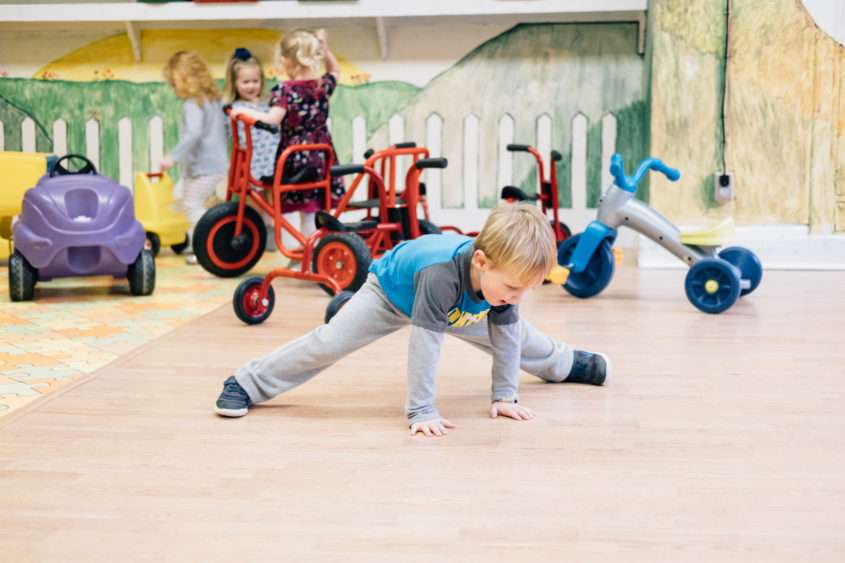
Looking to get active with your young child? Try crab walking, bear crawling, doing the superman, and more by watching this video from Early Childhood TLC. If you’re looking to get creative, try creating your own song and dance moves!

For more videos like this, visit the Early Childhood TLC YouTube page.

Watch the Video


Walk It Like An Animal Activity, Early Childhood TLC

News

Walk It Like An Animal Activity, Early Childhood TLC

About

Are you looking for a fun physical activity to do with your young child? Watch this video from Early Childhood TLC to jump like a kangaroo, swing like a monkey, walk like a bear, and climb like a sloth!

For more music videos, visit the Early Childhood TLC YouTube page.

Watch the Video


How Racism Can Affect Child Development, Harvard Center

News

Child Development and Lifelong Health, Harvard Center

News

Child Development and Lifelong Health, Harvard Center

About

In their Working Paper entitled “Connecting the Brain to the Rest of the Body: Early Childhood Development and Lifelong Health Are Deeply Intertwined,” the Harvard Center on the Developing Child “examines how developing biological systems in the body interact with each other and adapt to the contexts in which a child is developing—for better or for worse—with lifelong consequences for physical and mental health.”

Featured Topics

The Working Paper examines the following topics:

    • What 21st-Century Science is Teaching Us
    • How Early Adversity Affects Developing Biological Systems
    • Common Illnesses in Adults Have Roots in Early Childhood Adversity
    • Facts About Health That Are Often Misunderstood
    • Future Directions for Policy and Practice
    • Final Reflections in a COVID-19 World

More Information

For more information, read the full Working Paper. This resource is available as a downloadable PDF.


Anti-Racism Resources for Families

News

Anti-Racism Resources for Families

About

As parents and caregivers, we have a responsibility to ensure that every child and family is safe from racism and discrimination and has equitable opportunities to thrive.

In order to do this, we must begin with ourselves. Set aside time in your day to do a personal inventory. What thoughts, feelings, and behaviors have you contributed to upholding systems of racism? What assumptions are you making? What actions or inactions have you taken that contribute to systems of oppression?

Next, consider your family and your friends—what behaviors, statements, or jokes have gone unchecked? What actions or inactions have you taken within your interpersonal relationships that have contributed to an unsafe community for our black and brown children, neighbors, and colleagues? How might you begin to lead by example within your own family or community?

Anti-racism work is something that has to be attended to in an ongoing way. In order to support you in this work, Trying Together compiled the following resources. This list is not exhaustive.

Resources for Adults

Discussing Racism and Violence with Children

Children’s Books

Resources for Social-Emotional Development


Play and Physical Activity Guide for Educators & Families, Recess Advocacy Team

News

Play and Physical Activity Guide for Educators & Families, Recess Advocacy Team

About

The Recess Advocacy Team compiled a list of resources for educators and families to make sure play and physical activity are a part of children’s’ days and serve as a foundation for their learning, growth, and development. The list includes resources, activities, considerations, and ways that educators and families can incorporate play and physical activity into children’s daily routines.

Resources for Play & Physical Activity

Download This Resource

The Recess Advocacy Team is a group of organizations dedicated to health and wellness, education, and play with a focus on recess practices and policies. To view the full list of resources, download the guide (PDF).


Exercise Together with Darnell Campbell

News

Exercise Together with Darnell Campbell

Exercises for Families

Are you looking for simple but effective exercises to get your family up and moving? Watch this video from Darnell Campbell to learn four exercises your family can do right at home. Darnell Campbell is a Physical Education Teacher at Winchester Thurston, CPR Instructor, and Personal Trainer.

Watch the Video


Supporting Childhood Physical Health: A Guide for Families

News

Supporting Childhood Physical Health: A Guide for Families

Support Your Child’s Physical Health!

Did you know that children’s brain development is influenced by many health-related factors, including nutrition, physical activity, and toxic stress? That’s why it’s important for parents and caregivers to create routines and environments that support their children’s health. For more information, continue reading below.

The Importance of Exercise

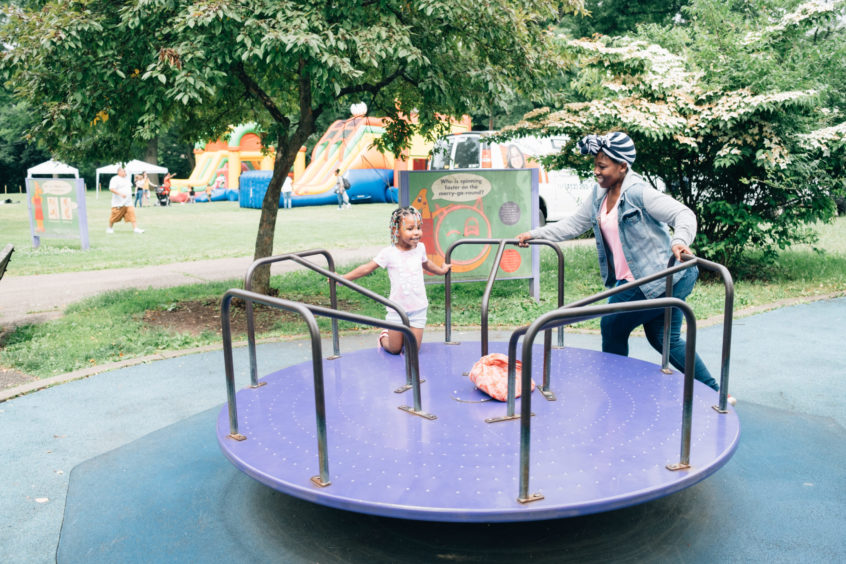
All children should engage in at least one hour of physical activity daily and should not be still for more than 60 minutes at a time. To support physical activity, families should:

    • provide a space where children can safely run and play with toys and equipment (75 square feet is adequate),
    • provide a space for riding tricycles, running, and rolling balls,
    • purchase balls and toys with wheels that can keep a child active,
    • plan activities that promote perceptual motor development, the ability to interact with one’s environment by using one’s senses, and
    • have children dance to nursery rhymes or chants to help them develop rhythm.

Benefits of Exercise

    • Supports the development of children’s fundamental motor skills including walking, throwing, kicking, running, balancing, hopping, and skipping.
    • In addition to helping a child move better, physical activity helps their bodies maintain healthy body weight and build healthy bones, muscles, heart, and lungs.
    • Fights off depression, anger, and anxiety at early stages.
    • Sparks creativity and problem solving.

The Importance of Nutrition

Making healthy food and nutrition choices is a challenge for not only adults, but for children too. A balanced meal can help reduce the risk of many health conditions such as high blood pressure, obesity, diabetes, and cardiovascular diseases.

Fresh foods like fruits and vegetables are nutritious options and a great source of fiber. Children’s fruit and vegetable intake per meal should be as follows:

    • Two- to Three-Years-Old
      One cup of vegetables and one cup of fruit daily.
    • Four- to Eight-Years-Old
      One and a half cups of vegetables with each meal, and one and a half cups of fruit daily.
    • Nine-Years-Old and Older
      Two cups of vegetables with each meal, and one and a half cups of fruit daily.

TIP: Smoothies can be fun to make with children. They love to watch whole fruits being crushed up to make juice!

Benefits of Nutritious Food

    • Helps children’s digestive and immune systems stay healthy.
    • Provides a good source of vitamins.
    • Helps to fight infections.
    • Makes wonderful snacks that can be easily packed.

Strategies for a Healthy Routine

Create a schedule that includes time to be active throughout the day.

    • Dance
      A creative and fun way to keep the body moving, get the heart rate up, and promote good blood flow.
    • Tag
      One game that can help promote movement in a fun and fast-paced way.
    • Scavenger Hunt
      A creative way to get children up and moving. This can be done inside or outside. This is a great way to promote exploratory play with younger children.
    • Games
      It’s important to incorporate rules with some games, and to vaguely give directions for others. This helps children learn how to create their own rules which enhances their thinking abilities.
    • Some Rules
      Example: You can only hop during tag; no tagging the person who tagged you; freeze once you’re tagged, etc.
    • Meal Planning
      Create a meal menu. This helps to not only save money, but helps to keep track of the things one is eating. Allow children to help season food, sort food by type or color, and even taste the vegetables before they are cooked. Some children like raw veggies as snacks.

TIP: When making a schedule to support a healthy routine, try to block off time for activities that can be done in a 60-minute timeframe.

Print This Resource

This resource is available as a printable PDF (English) (Español).

Acknowledgments

This document was created by Darnell Campbell, in partnership with Trying Together, as a resource for Part II: Childhood Physical Health of the Developmentally Appropriate Parenting Series. Darnell Campbell is a Physical Education Teacher at Winchester Thurston, CPR Instructor, and Personal Trainer.

Developmentally Appropriate Parenting is a family resource content series developed by Trying Together as an effort to empower caregivers to create high-quality experiences at the earliest stages of their child’s life.
 

Early Childhood Matters

News

Early Childhood Matters

About

Did you know that early brain development plays a critical role in children’s lifelong learning and health? According to a report by the National Head Start Association, “early brain development lays the foundation for cognitive, motor, and socio-emotional abilities throughout a child’s lifetime.”

What Children Need

Because brain development is influenced by many factors, such as nutrition, physical activity, toxic stress, and access to routine screenings and wellness exams, it’s important to ensure that young children have access to resources and opportunities that are proven to support healthy development.

During early childhood, children need:

    • access to fresh, healthy foods to receive the proper nutrition they need to grow;
    • at least one to two hours of moderate to vigorous physical activity or active play daily;
    • caring, supportive relationships with others in environments that don’t impose high-stress; and
    • regular health screenings and wellness exams to monitor healthy growth and development.

More Information

For more information on how to support the healthy development of your young child, visit HealthyChildren.org and the Centers for Disease Control and Prevention (CDC) website.


Creating a Safe and Supportive Environment

News

Creating a Safe and Supportive Environment

About

A child’s home is the first and most influential environment they are exposed to as it sets the stage for relationship-building, early learning, and adverse childhood experiences (ACEs). In fact, according to the Centers for Disease Control and Prevention (CDC), childhood development itself is “an important determinant of health over a person’s lifetime.”

By age six, children achieve over 90 percent of their adult brain volume and develop functional skills related to information processing, comprehension, language, emotional regulation, and motor skills. This means that a majority of children’s cognitive development happens before they even enter their first elementary school classroom.

What to Include

To reinforce healthy development, children birth through age nine must have access to home and care environments that meet the following conditions:

    • the environment is safe and supportive;
    • the environment uses developmentally appropriate early learning strategies; and
    • the presence of stable, responsive, nurturing caregivers.

By having access to these three things, children’s risk of exposure to adverse childhood experiences decreases. This, in turn, benefits children’s long-term wellbeing as the biological effects of ACEs are strongly associated with “numerous adult diseases, including coronary artery disease, chronic pulmonary disease, and cancer.”

More Information

To learn more about early childhood as a social determinant of health, visit the CDC website.