About
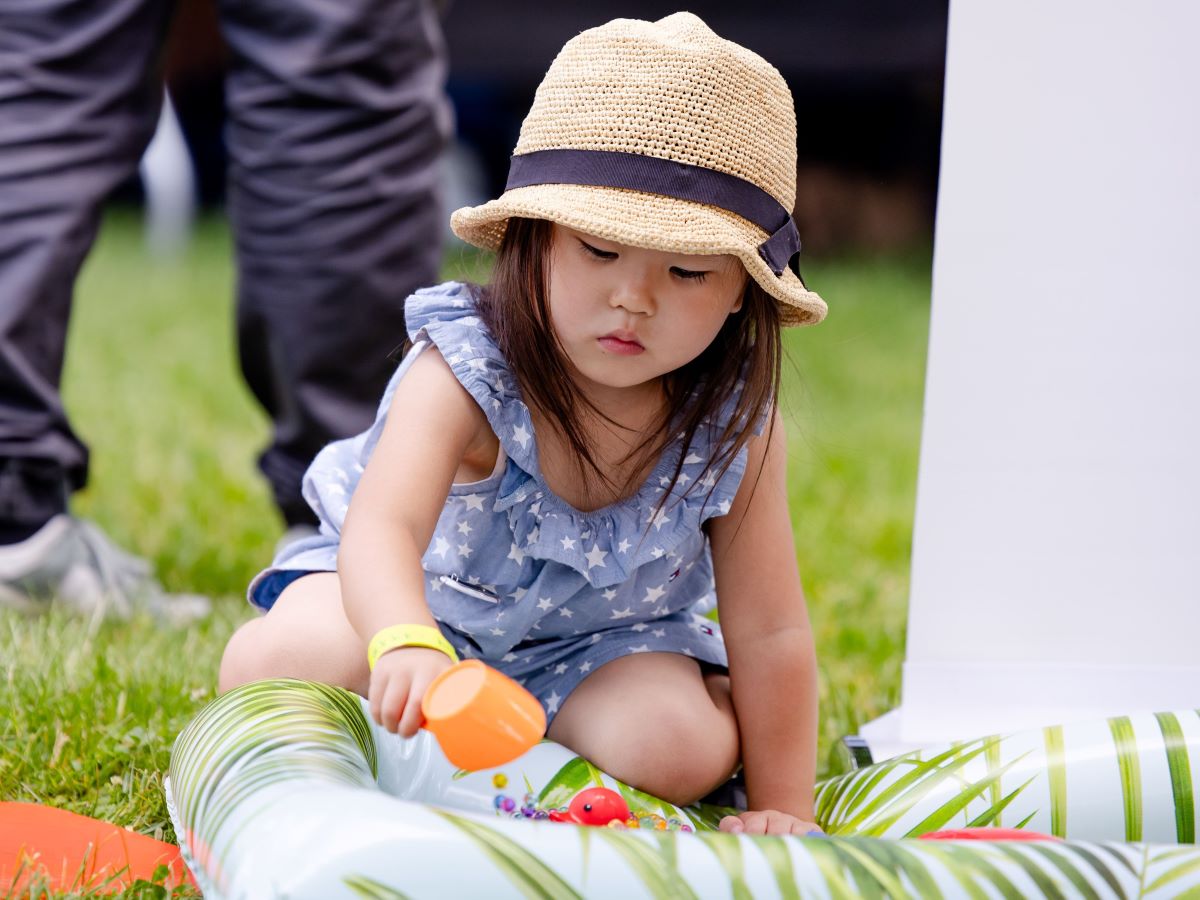
Play doesn’t need to be expensive. Learning Through Play offers a variety of games that children and their caregivers can play indoors or outside, using everyday items they’ll find at home.
Learn More
Use Learning Through Play’s filters to find popular activities.
About
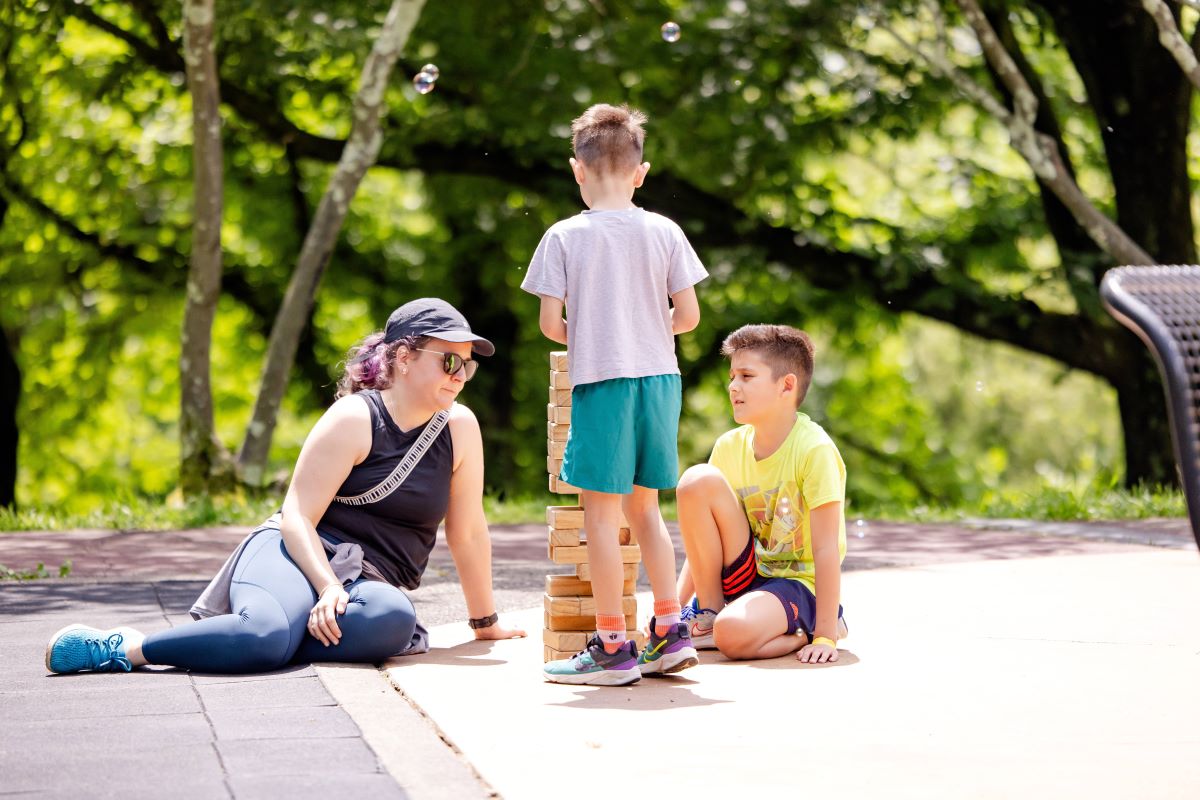
Play is an important part of learning during childhood and can facilitate child development in the five Early Learning Outcomes Framework domains.
Learn More
Head Start ECLKC’s webinar discusses how play builds critical cognitive and behavioral skills from birth to age five.

About
Play is not merely a trivial pursuit but a vital component across various sectors of society. And play isn’t just for children; it’s a critical component in higher education as well as a strategic tool for innovation and engagement.
Learn More
Rolling Stone wrote an article on the benefits of play and how to incorporate it into one’s work life.
About
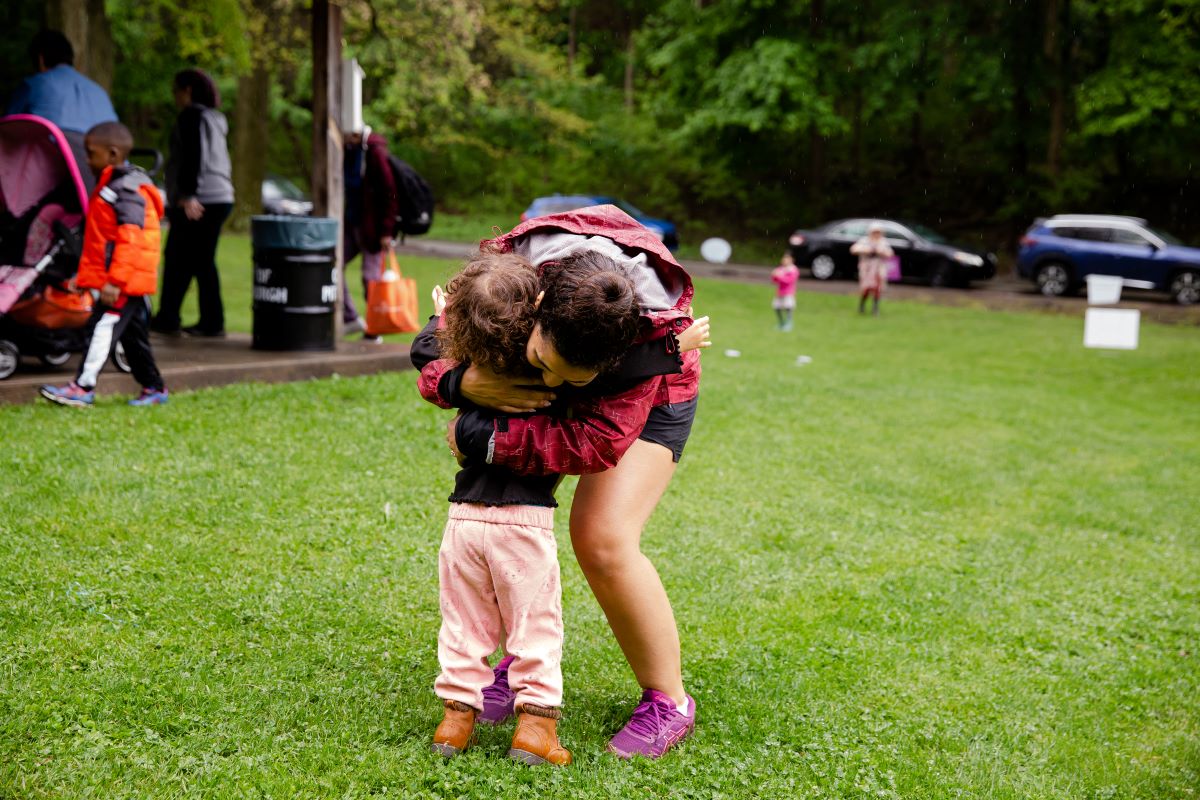
Many people think of play in the form of young children at recess engaging in games of tag, and ball, using slides, and swings, and physically exploring their environment. But physical play is not the only kind of play.
Learn More
The Scientific American published an article on how pretend play or make-believe play reflects a critical feature of a child’s cognitive and social development.
About
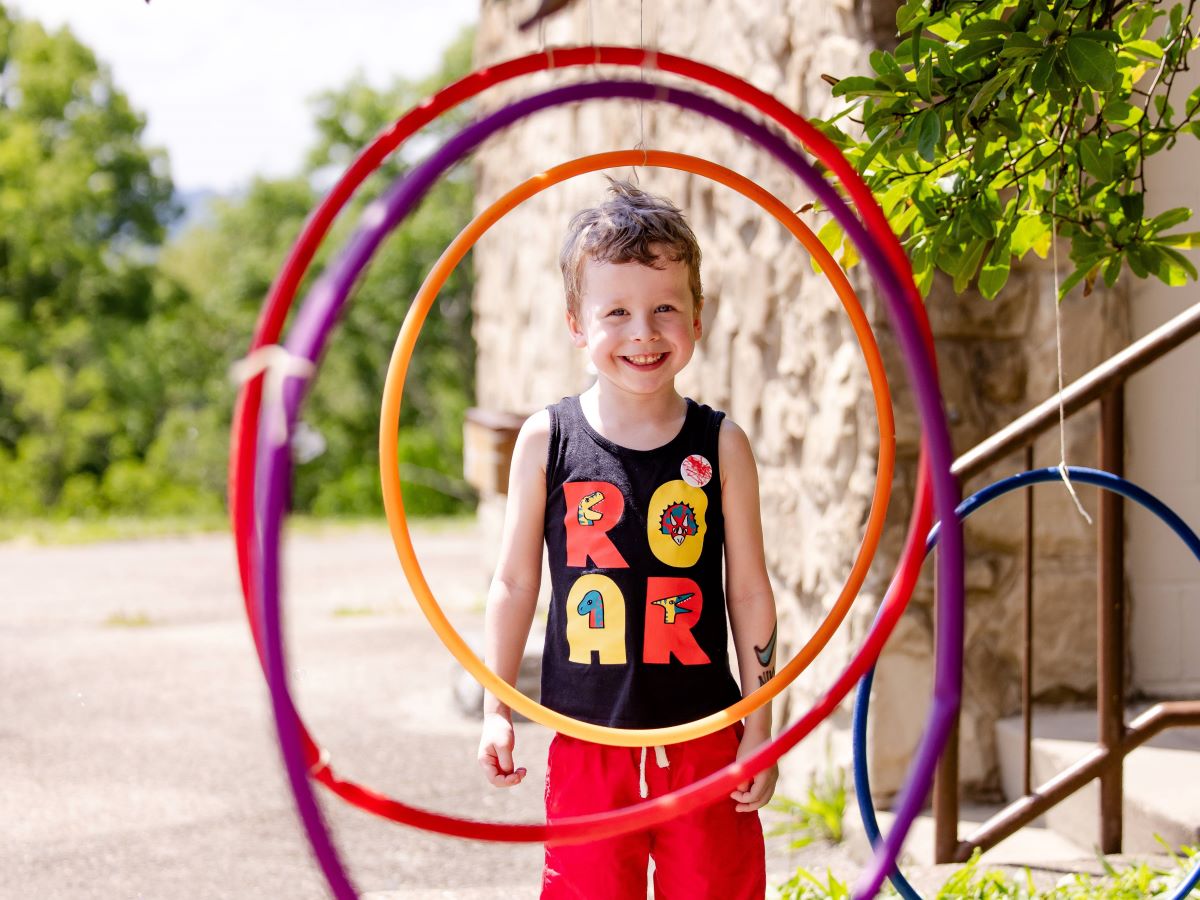
Play is an important part of children’s learning and development. Playful learning – an area of research that examines how children learn best through playful exchanges – shares many of the same core foundations as the study of intergenerational learning, a body of research involving older and younger generations coming together in the service of mutually beneficial learning experiences.
Learn More
A commentary piece by Brookings examines how playful learning creates multigenerational opportunities with intergenerational impacts.
About
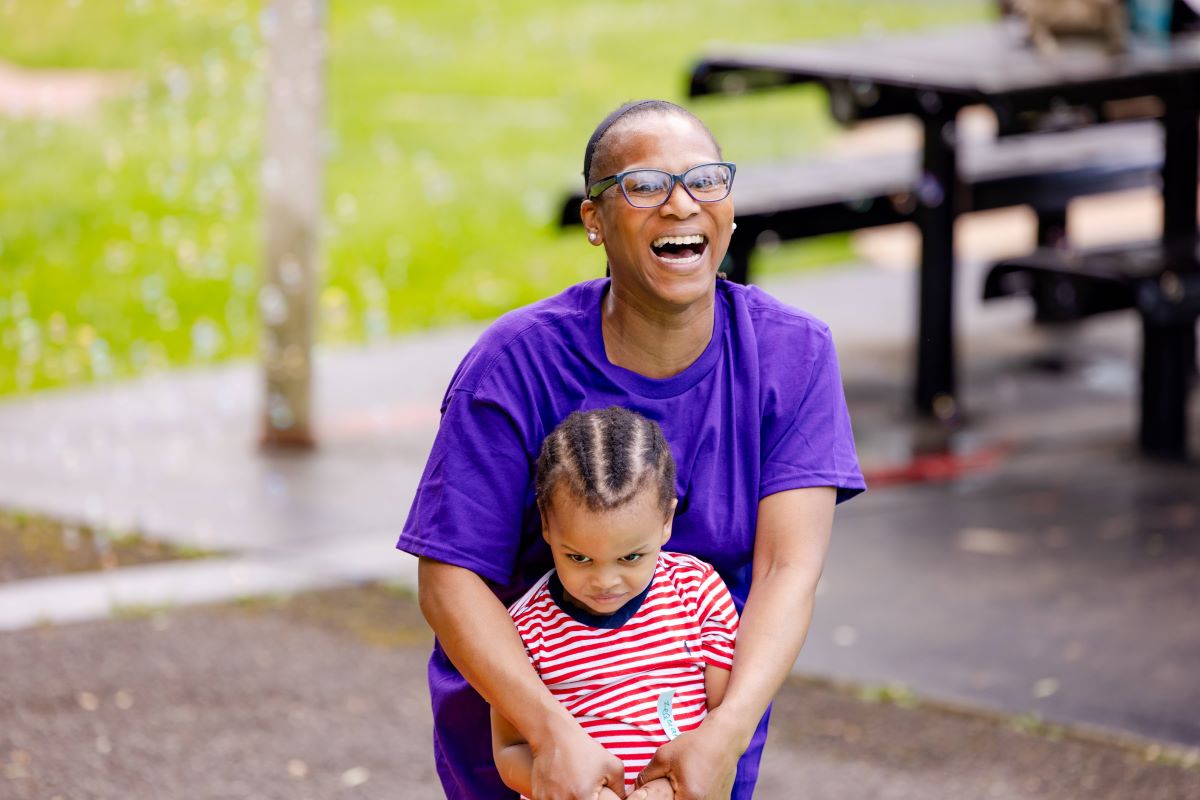
Play-based learning isn’t just about letting children do what they want. It’s about adults guiding and evaluating the play to engage them more deeply with the learning process.
Learn More
Learn more about the value of play-based learning and how play is essential for brain development in this piece by First Five Years.

About
Play in Education, Development, and Learning (PEDAL) recorded a public lecture with psychologist Kathy Hirsch-Pasek on the importance of free and guided play as a catalyst for social and cognitive development learning.
Learn More
Listen to the lecture on YouTube to learn how play might offer a successful midway position in the debate on playful vs. didactic approaches to early childhood education.
About
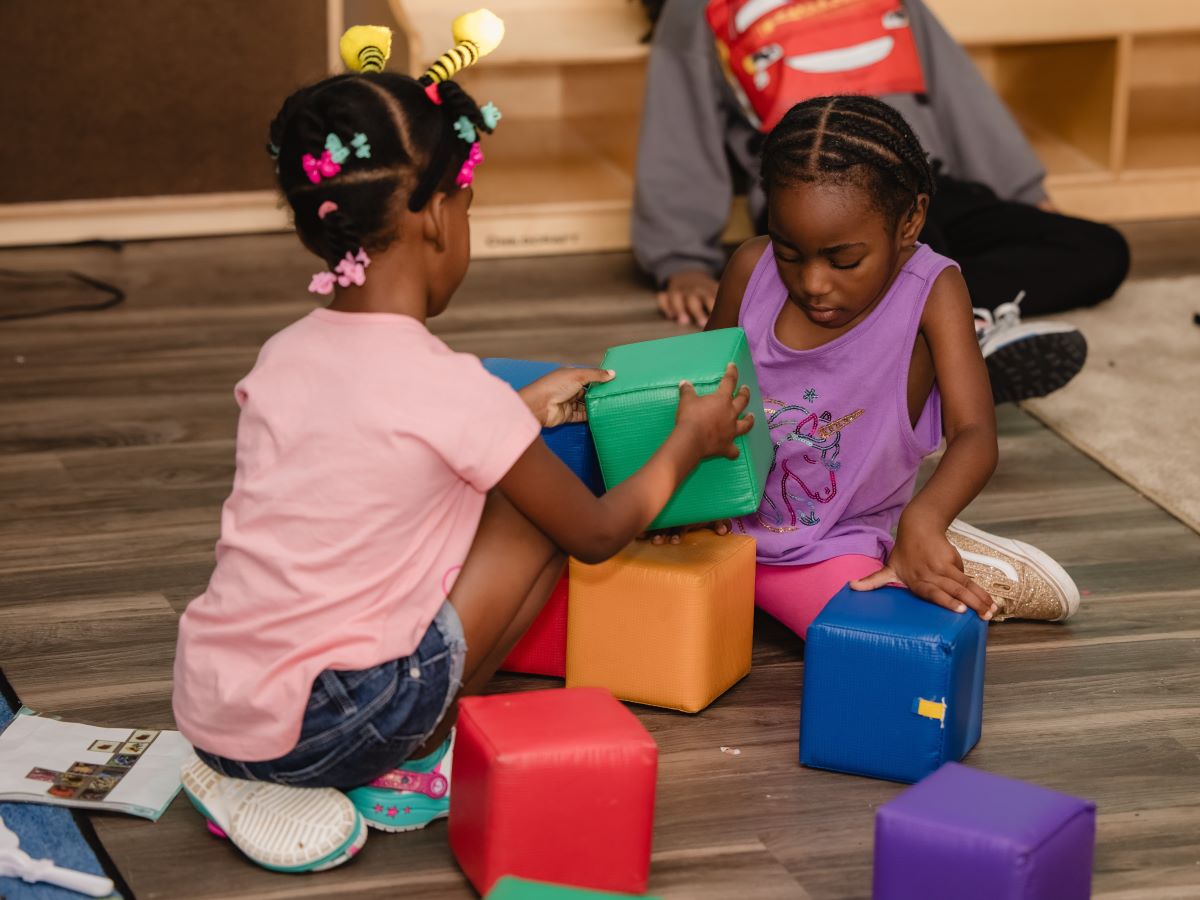
Listen to children’s everyday talk to identify culturally relevant themes. Culturally relevant dramatic play centers let young children draw from their experiences to enhance their play. Children reenact activities and observations from family life and share common events in their cultures.
Learn More
Read this NAEYC report on supporting language through culturally rich dramatic play to learn more about how authentic dramatic play leads to children’s meaningful learning – especially in language and vocabulary.

About
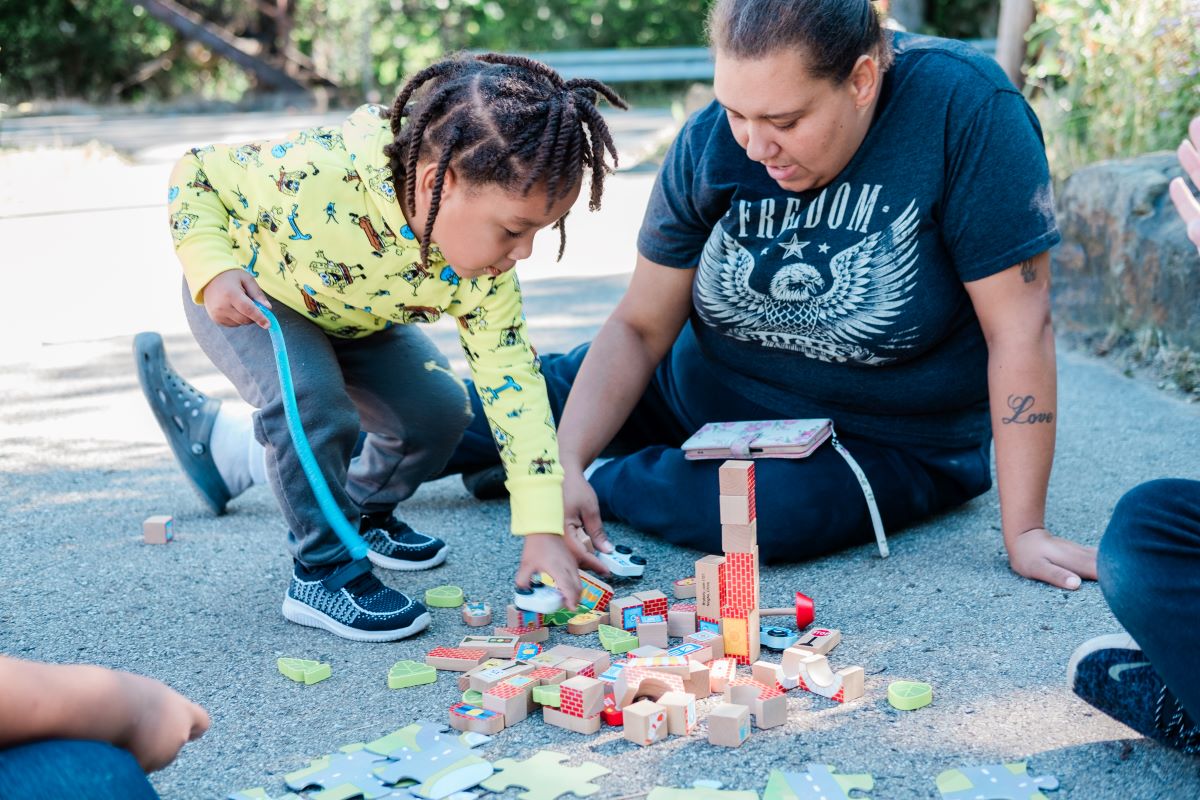
Research on block play supports a strong relationship between building skills and spatial and mathematical skills. A study by the Journal of Cognition and Development examines whether 3-year-olds’ block-building behaviors and structural complexity during structured block play related to overall accuracy on the building task and predicted spatial or mathematical skills at ages 4 and 5 above and beyond accuracy on the block-building task.
Learn More
Learn more by reading the study, Associations of 3-Year-Olds’ Block-Building Complexity with Later Spatial and Mathematical Skills.
About
From infancy on, play is an important component of a child’s life. For babies and toddlers, playful interactions with adults develop brain architecture, the foundations of lifelong health, and the building blocks of resilience. Through games and activities, children can practice and strengthen executive function skills that will help them throughout their lives, including learning to focus their attention, strengthening their working memory, and developing self-control.
Learn More
Harvard University’s Center on the Developing Child has compiled a guide on brain-building through play with a series of activities for infants, toddlers, and children.