Join the Grable Foundation on World Teachers’ Day to celebrate the wonderful educators of the Pittsburgh region and explore the future of education. This is a one-hour virtual event. Multiple viewing times available.
About
During the CelebratED: 2020 Virtual Celebration, the Grable Foundation will highlight the voices of educators, students, and parents as they describe the importance of educators and share their thoughts on how our communities can remake education. Highlights of the virtual event include the following:
-
- a keynote address by Deepak Ramola of Project Fuel;
-
- a DJ set by Pittsburgh Dilworth PreK-5 Teacher Joseph Wilk;
-
- storyteller Shannon Reed, author of “Why Did I Get a B?”;
-
- a performance by Alumni Theater Company; and
-
- soaring ideas, hard questions, and good thoughts expressed by innovators, agitators, and provocateurs.
Registration
To register and learn more, visit the event webpage.
Join Trying Together from September 14–23, 2020 for our second free Virtual UnConference: Caring in a ‘New Normal’. PQAS and Act 48 credit hours will be available. Registration is required.
About
Virtual UnConference: Caring in a ‘New Normal’ will feature a panel discussion and three workshops on topics including finance, interacting with young children, and social-emotional health during the COVID-19 health crisis. This UnConference will build on guidance shared during our first Virtual UnConference: Re-Opening to Our ‘New Normal’. To watch a recording, visit our UnConference page.
Featured Workshops
-
- Positive Interactions During the Pandemic
Monday, September 14, 2020 | 10:00 – 11:30 a.m. | Register
In this workshop, Sarah Grubb from ELRC Region 5 will walk early childhood educators through the essential elements of positive interaction, the educator’s role in co-regulation, and strategies for supporting children best through positive, day-to-day interactions.
- A Conversation on How to Support the Social/Emotional Needs of Children
Thursday, September 17, 2020 | 10:00 – 11:30 a.m. | Register
Join Diana Schwab for a conversation and Q&A focused on the social and emotional needs of children. In this workshop, participants will discuss early childhood social and emotional development with a particular focus on how children communicate social and emotional needs through behavior. This workshop will also discuss how to focus a child’s behaviors as a communication of developmental strengths and vulnerabilities, as well as mental health needs.
- Building a Foundation for Your Organization’s Financial Wellness
Monday, September 21, 2020 | 1:30 – 3:00 p.m. | Register
This workshop will discuss the importance of building a business plan and budget as the foundation of your organization’s financial wellness, especially during this time of changing external forces due to COVID-19. Presenter Chris Pentrack of Supporting Strategies will suggest beginner tools and methods to build these items, as well as resources for additional assistance. Presenters will discuss topics such as profit and loss statements, balance sheets, monitoring, and forecasting cash for the organization.
-
Registration
Registration for this UnConference is being completed on the PD Registry. If you do not have a PD Registry account, please complete this online form to create one. If you are unable to create an account, please contact Jasmine Davis at jasmine@tryingtogether.org for more information.
Click the links below to register for each workshop you are interested in. Registration is required.
More Information
For questions, contact UnConference Director Yu-Ling Cheng at conference@tryingtogether.org.
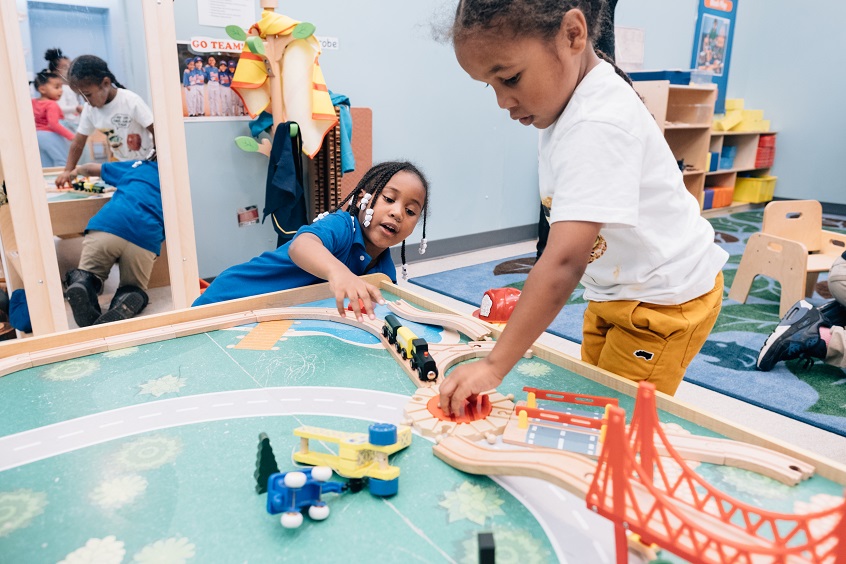
Are you interested in learning how to create a more culturally and linguistically responsive early learning environment? Join the National Center on Parent, Family, and Community Engagement (NCPFCE) on July 28 for their webinar, “Culturally Responsive Parent Engagement.”
About
In this webinar, participants will explore tools, resources, and ideas they can use to create a more culturally and linguistically responsive environment. Join fellow educators to learn how it can help families engage in their child’s early learning and hear from programs that have successfully engaged families from diverse backgrounds as leaders and advocates.
This webinar is best suited for Head Start and Early Head Start directors, managers, family services staff, and parent leaders; T/TA providers; and early childhood leaders who support children and their families.
Registration
To register and learn more, visit the event webpage. Participants will receive a certificate of participation upon completion of the webinar.
More Information
For questions, contact NCPFCE at pfcewebinars@ecetta.info or 855.208.0909.
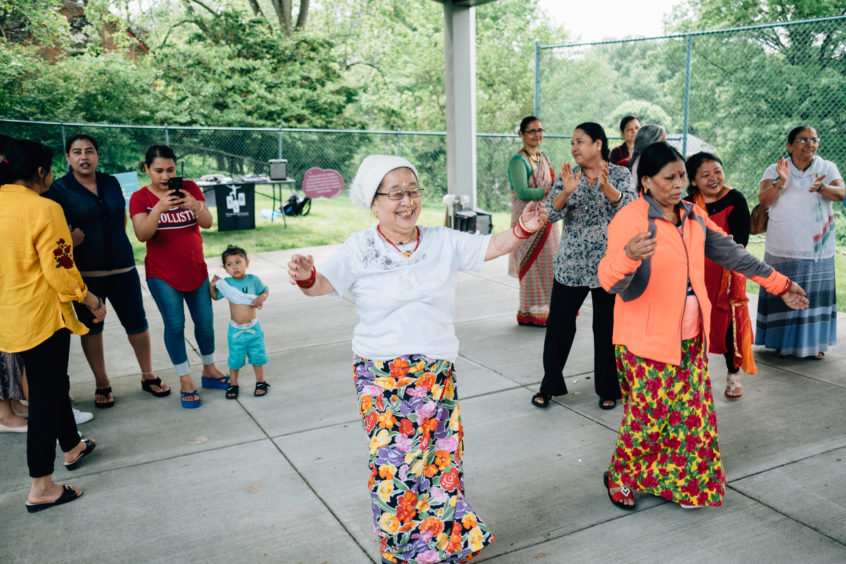
Are you interested in learning how to help early learners with autism engage with remote instruction through evidence-based practices? Attend the webinar “Remote Learning for Early Learners with Autism” on July 16.
About
While remote learning allows students to continue their education, it can be challenging for young students with autism and other developmental disabilities to attend to the screen and engage with the curriculum. In this webinar, STAR Autism Support Training Specialist Elizabeth Curtin will discuss strategies to help early learners with autism engage with synchronous remote instruction through evidence-based practices.
A focus of this presentation will be on teaching skills in receptive language, expressive language, social and play, and pre-academics. This webinar will include video examples of teachers coaching caregivers to provide consistent instruction to their students. Participants will also learn strategies on teaching students to be more independent in daily functional routines.
This webinar is best suited for pre-k through elementary teachers and school leaders. Time for questions will be provided.
Registration
To register and learn more, visit the event webpage. Registration to attend the live presentation is limited to 2,000 people. A recording of the session will be available to those who sign up to receive it via email and to those who attend the live event.
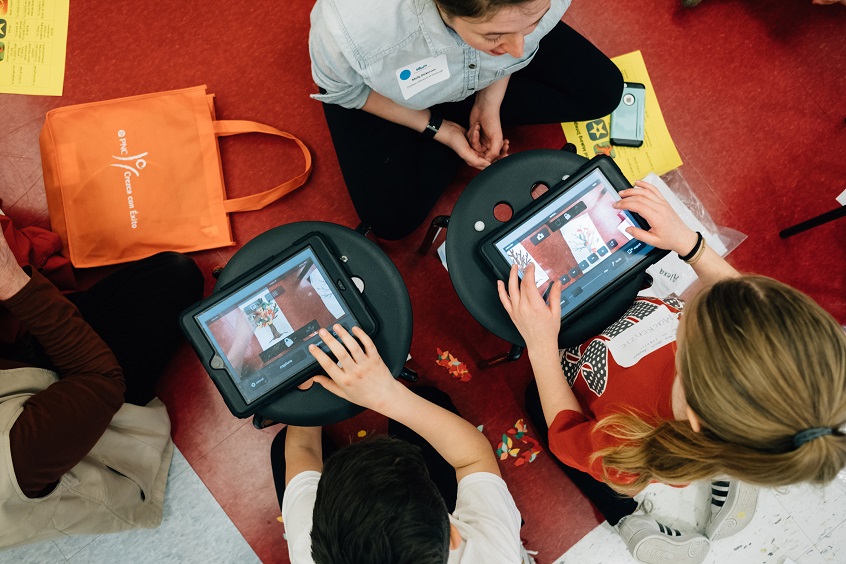
Are you interested in learning how institutional racism becomes present in early childhood environments? Sign up to receive a recording of the live webinar “Embracing Anti-Bias Classrooms: A Response to Racism in America” on July 8.
About
In this webinar, the lead authors of the newly released book, Don’t Look Away, Embracing Anti-Bias Classrooms, will participate in a roundtable discussion on how to explore and address issues of bias, equity, low expectations, and family engagement to ensure culturally responsive experiences. Equipped with the tools and strategies to promote classroom change, educators will be empowered to do the following:
-
- learn how institutional racism becomes present in early childhood environments;
-
- discover how implicit bias, microaggression, and white privilege can play a role in undermining the learning experiences of marginalized Black and brown children and those who teach them;
-
- embrace anti-bias and anti-racist teaching approaches; and
-
- implement best practices for creating culturally-rich and supportive classroom environments that protect children from social-emotional and psychological trauma by affirming personal healing.
This webinar will be of interest to pre-k through elementary teachers; school and district leaders; coaches; trainers; and child care providers, owners, and administrators.
Registration
Live access to this event is sold out. Sign up to receive the event recording by visiting edWeb.net.
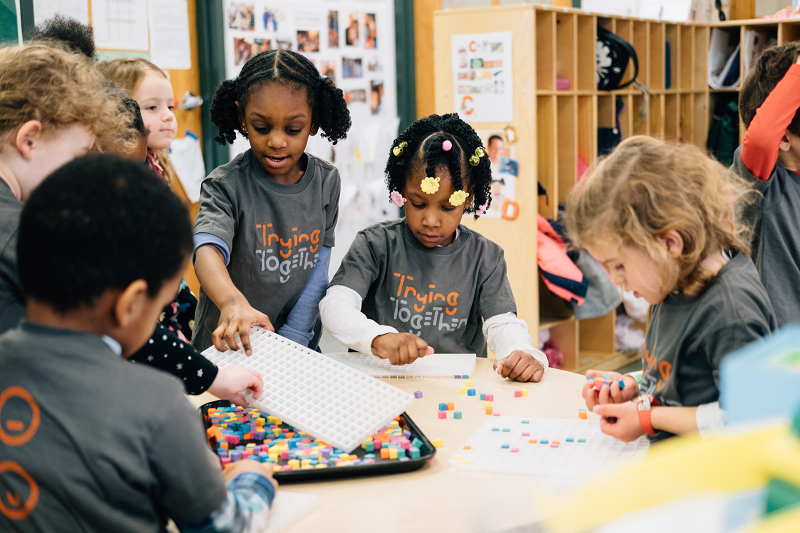
Are you interested in learning about the budget process and state government in Pennsylvania? Join Trying Together on July 22 at 6 p.m. for our online session, “Connections and Conversations: Advocacy 101.”
About
Connections and Conversations Virtual Check-Ins are interactive sessions that highlight topics of interest to the field of early childhood education. Participants will engage in virtual discussions via Zoom with child development experts while interacting with early learning practitioners to share questions, experiences, and expertise about the highlighted topic.
This session will highlight the budget process and state government in Pennsylvania. Participants will receive an overview of the Early Learning Pennsylvania (ELPA) campaigns, how early childhood education programs are impacted by the budget process, and ways professionals and families can use their experiences and knowledge to advocate. This session will also identify advocacy actions attendees can participate in or lead to advocate for early childhood.
Participants will receive the course Zoom link via email within 24 hours before the start date for the course. For questions, contact Rosie Hogan at rosie@tryingtogether.org or Sarah Grubb at sarah.elrc5@alleghenycounty.us.
Session Details
-
- Session Date: Wednesday, July 22 | 6 – 7 p.m
- Instructors: Emily Neff, Cristina Codario, and Lindsey Ramsey
- CKC: K6.10 C1
- CDA Subject Area: Maintaining a commitment to professionalism.
- Registrations must be submitted by Monday, July 20. Space is limited.
- Sessions will be offered biweekly and will offer one hour of PQAS credit. Act 48 credit will not be offered.
Registration
To register and learn more, visit the course webpage.
Session Rules and Guidelines
These virtual discussions are designed to provide educators the opportunity to grow professionally and share knowledge on early childhood topics. During the meeting, participants should follow the guidelines below to ensure a successful virtual meeting for all participants.
-
- Please allow all participants a chance to speak. Listen respectfully and actively.
- Commit to learning about each other, not to debating the topic.
- Embrace differences of opinion as healthy and support each person’s authentic self-expression.
- Participants will be muted for the beginning portion of the session.
- Participants may use the “Raise Hand” feature in Zoom to request an opportunity to comment or ask a question. Individuals will be temporarily unmuted by the moderator.
- Participants may type a comment or question in the Chat or may send comments or questions directly to the moderator for them to share.
- To receive PQAS credit, you must complete an evaluation at the end of the session and include your PD Registry number.
- Have fun, make connections, and engage in the conversations!
More Information
For questions or more information, please contact Rosie Hogan at rosie@tryingtogether.org.
Are you interested in learning about options for developing an Individualized Education Program (IEP) for your child as they transition from preschool early intervention (EI) to elementary school? Join the PEAL Center on July 1 for their webinar, “Transitioning Your Child From Preschool Early Intervention to Elementary School.”
About
In this webinar, participants will learn about:
-
- the importance of informed decision making in determining educational placement,
- options for developing an IEP as a child transitions,
- the impact of adult perspectives on children’s opportunities, and
- a Student Snapshot tool families can use in preparing for the transition.
Registration
To register and learn more, visit the event webpage.

If you work for or operate an early learning program in Pennsylvania, including public and private schools; child care centers; group child care homes; family child care homes; family, friend, and neighbor care, it’s important to remain calm, prepare, and take precautionary measures. By doing so, you will help to maintain the health and wellbeing of yourself, other staff, and the communities you serve. For up-to-date recommendations and COVID-19 Resources for Early Learning programs, please visit the ELRC Region 5 website.
Continue reading below for a brief overview of COVID-19; information about waivers and enrollment capacity; and a list of resources.
An Overview of COVID-19
COVID-19 is a highly contagious respiratory disease caused by a new coronavirus not previously seen in humans. Because the virus impacts the respiratory system, common symptoms of infection include fever, dry cough, tiredness, shortness of breath, and difficulty breathing. However, WHO states that some patients may have aches and pains, nasal congestion, runny nose, sore throat, and diarrhea. After being infected with COVID-19, individuals generally display mild symptoms that begin gradually, but some people who become infected may not develop any symptoms at all and may feel healthy.
To learn more about COVID-19 and the steps you can take to reduce your family’s risk of infection, read our recent news post. This post also includes information about what to do after infection, information on how it spreads, and links to several other organizations and entities that can provide more information.
National Sex Offender Registry Clearances
According to the Department of Human Services Office Child Development & Early Learning Bureau of Certification Services, no exceptions will be made for expired or late National Sex Offender Registry (NSOR) clearances after regular child care operations resume. Once regular child care operations resume statewide, staff will not be permitted to return to early learning programs if any of their clearances are expired. For this reason, it is recommended that all staff who require new or renewed finger-print checks should do so as soon as possible at one of the following available facilities.
To learn more about NSOR changes in the last 12 months, please visit ELRC Region 5’s news post.
COVID-19 Resources for Early Learning Programs
Information about COVID-19
Guidance for Providers
-
-
- Coronavirus Emergency Loans: Small Business Guide and Checklist (English) (Spanish), U.S. Chamber of Commerce
-
Early Learning
Talking with Children
Prevention
After Infection
Impacts on Child Care, School, and Work
Fact Sheets
Informational Flyers
Mental Health
Receiving Support
Multilingual Resources
Curated Lists
Recorded Webinars
Contacts and Information
-
- Pennsylvania Department of Health
www.health.pa.gov
1.877.72.432584 | 1.877.PA.HEALTH
- United Way
www.pa211sw.org
Dial 2.1.1 | Text Your Zip Code to 898-211 (Text Alerts)
- Optum (Free Emotional Support Helpline)
866.342.6892
- National Suicide Prevention Lifeline
suicidepreventionlifeline.org
1.800.273.8255 (English) | 1.888.628.9454 (Spanish) | 1.800.799.4889 (Deaf or Hard of Hearing)
More Information
For more information about COVID-19, visit the Pennsylvania Department of Health, Centers for Disease Control and Prevention (CDC), or World Health Organization (WHO) websites.