Book List Includes 9 Titles to Read to Children During Black History Month

News

February 18, 2026

Book List Includes 9 Titles to Read to Children During Black History Month

PA Promise for Children has released a list of books to read to children to celebrate Black History Month in February.

Learn More

The printable list includes nine titles from such authors as Ezra Jack Keats and actress Lupita Nyong’o to former President Barack Obama.

The list, which was unveiled in PA Promise for Children’s Kindergarten Here I Come newsletter, also includes resources on how to celebrate with and teach a child about Black History Month.

The list of books includes:

  • Henry’s Freedom Box (Ellen Levine)
  • Mae Among the Stars (Roda Ahmed)
  • Before She Was Harriet (Lesa Cline-Ransome)
  • Harlem’s Little Blackbird: The Story of Florence Mills (Renee Watson)
  • Of Thee I Sing: A Letter to My Daughters (Barack Obama)
  • Sulwe (Lupita Nyong’o)
  • Dream Big, Little One (Vashti Harrison)
  • The Snowy Day (Ezra Jack Keats)
  • The Story of Ruby Bridges (Robert Coles)

Community Invited to Virtual Public Meeting for Allegheny Forward Comprehensive Plan

News

Community Invited to Virtual Public Meeting for Allegheny Forward Comprehensive Plan

Members of the Allegheny County community are invited to attend a virtual public meeting to learn more about and share input for the Allegheny Forward Comprehensive plan.

Learn More

Allegheny County is planning for the next 25 years with Allegheny Forward, a long-range framework to guide growth, investment, and development. This once-in-a-generation effort will shape decisions on land use, housing, transportation, infrastructure, economic opportunity, parks and open space, and other priorities that affect daily life across the county. The plan will guide real investments, and it needs to reflect the voices of the people who live and work here.

This virtual public meeting is scheduled for March 11 at 6 p.m. During the meeting, individuals will learn more about the plan and have an opportunity to share what matters most to them.

Those interested in attending can register in advance.

Trying Together Names Solid Foundations Academy Owner as Advocate of the Month

News

Trying Together Names Solid Foundations Academy Owner as Advocate of the Month

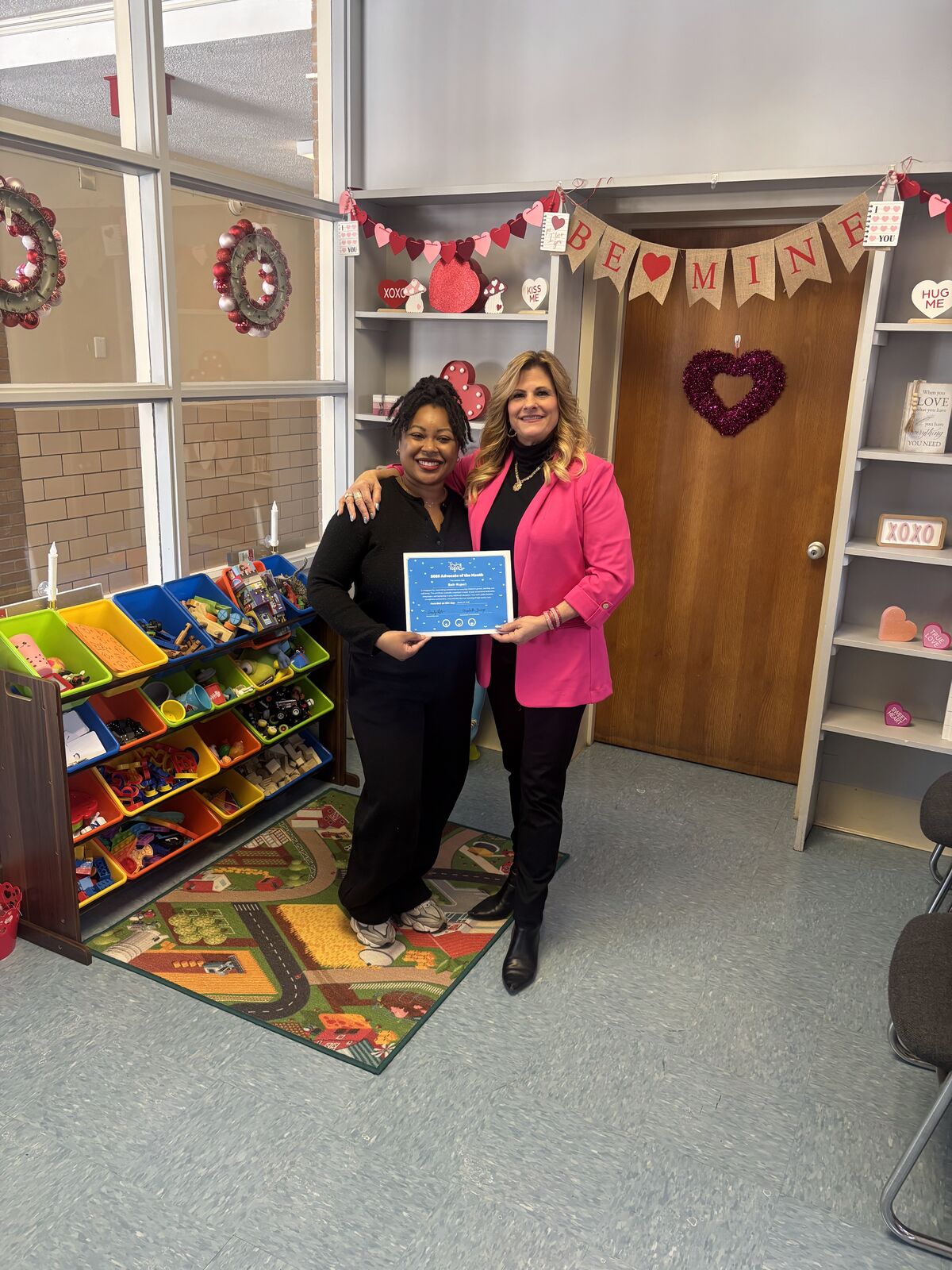
Trying Together has named Beth Rupert, owner of Solid Foundations Academy, as its February 2026 Advocate of the Month.

Learn More

The Advocate of the Month award goes to providers who demonstrate exceptional commitment, compassion, and leadership in the field of early childhood education. Trying Together chose Rupert because of her unique combination of experience, vision, and public influence in the field of early education.

Rupert has worked with children and families in psychiatry for more than 15 years and she understands how early experiences shape lifelong outcomes. Her background as a caregiver, educator, and advocate reflects a lifelong commitment to supporting children and families.

“Early childhood education isn’t just child care or preschool – it’s the foundation of who we become, how we learn, and how we truly see ourselves,” Rupert said. “It’s where confidence is built or broken, where curiosity is nurtured or silenced, and where inequity often begins. Potential isn’t enough without the right support at the right time.”

Rupert is currently starting an education movement focused on the benefits of quality early childhood education. She has been featured on multiple podcasts to discuss the need for systemic change in the broken education system.

Her ongoing advocacy with Trying Together and her pursuit of a doctorate in education demonstrates her dedication to advancing the field. 

“Families depend on early childhood education, so they can go to work, provide for their family, build stability, and give their children the strong educational start they deserve,” Rupert said. “Early childhood education is the backbone of our country. When we get the beginning right, we change everything that comes after.”

April Advocacy Blitz

Are you interested in an advocacy opportunity with Trying Together to use your voice as an early childhood champion? 

Join us for our April Advocacy Blitz, which is designed to elevate your voice in the field and encourage Pennsylvania’s General Assembly to prioritize continued funding that elevates the field of early care and education.

Eligible Residents Can Get Free Tax Prep, Resources with VITA Program

News

February 17, 2026

Eligible Residents Can Get Free Tax Prep, Resources with VITA Program

Eligible Pennsylvania residents can now schedule appointments with the Volunteer Income Tax Assistance (VITA) program for free tax preparation.

VITA Program

The VITA program is an IRS-sponsored initiative designed to provide free tax preparation services to individuals and families who struggle with the complexities of filing taxes independently. The program typically serves low- to moderate-income earners, those with disabilities, the elderly, and individuals with limited English proficiency.

Tax preparation is offered in person at designated VITA sites, with services provided by IRS-certified volunteers who are trained to assist with accurately filing federal, state, and local taxes.

VITA volunteers can help eligible taxpayers claim the Earned Income Tax Credit (EITC), the Child Tax Credit (CTC), and any other credits or deductions that might increase their funds. The VITA program helps households to save money and avoid the pitfalls of using costly or predatory tax services.

VITA services are available to those who meet the following criteria:

Households earning approximately $60,000 or less annually (the exact figure is subject to change from organization to organization)

Individuals with disabilities, senior citizens, and those needing language support in filing tax return

To find a VITA site, dial 211, visit the PA 211 website, or use the IRS’s VITA locator tool online. Be sure to make appointments in advance as many sites operate on a seasonal basis and appointments can fill up quickly. 

Filing Independently

For those who prefer to file taxes independently, but still want access to free resources, MyFreeTaxes.com is an option sponsored by United Way and powered by TaxSlayer. It allows individuals to file federal and state tax returns online for free. The platform is user friendly and designed for households with an annual income of $89,000 or less.

Filers can easily navigate the tax preparation process at their own pace. The software guides users step by step, helping to ensure they claim all eligible credits and deductions, such as the EITC, CTC, and education-related credits. The platform also features live support from IRS-certified specialists.


PA Promise for Children Releases List of February Books for Kindergarteners

News

PA Promise for Children Releases List of February Books for Kindergarteners

PA Promise for Children has released its list of February books for kindergarteners in its Kindergarten Here I Come newsletter.

Learn More

The list is broken down into three categories – Scientific Thinking and Technology, Mathematical Thinking and Expression, and Social-Emotional Development.

The eight books on the list include:

Science Thinking and Technology

  • How a Seed Grows (Helene J. Jordan)
  • Johnny Appleseed: The Legend and the Truth (Jane Yolen)
  • Penguins! (Gail Gibbons)
  • If You Were a Penguin (Wendell and Florence Minor)

Mathematical Thinking and Expression

  • One Mitten (Kristine O’Connell George)
  • Two of Everything (Lily Toy Hong)

Social-Emotional Development

  • Junie B. Jones is Not a Crook (Barbara Park)
  • The Doorbell Rang (Pat Hutchins)

Genius of Play Lists Outdoor and Indoor Winter Activities for Children

News

February 16, 2026

Genius of Play Lists Outdoor and Indoor Winter Activities for Children

Playing outside in the snow is a fun rite of passage for children, assuming that temperatures don’t drop to unsafe levels. And even if the weather outside isn’t conducive to outdoor play, there are still plenty of ways that children can be creative and remain active inside on winter days.

The Genius of Play has put together several lists of activities to ensure that children remain active during the winter months, whether it’s outdoors or indoors.

Outdoor Play

Caregivers should first check to make sure that temperatures are safe for children to play outdoors and, if so, ensure that children bundle up before they head out into the snow.

While snowball fights and building forts are common activities during the winter, the Genius of Play has provided some tips on other fun activities. Some of these include:

  • Grab a large plastic garbage bag or pieces of cardboard for a Slip and Slide
  • Bottle bowling
  • Freeze Tag
  • Modify Simon Says to include weather-themed prompts
  • Snow painting
  • Create a winter edition of Marco Polo

Indoor Play

Just because children are stuck in the house doesn’t mean they can’t use their imaginations and have fun. Some of the Genius of Play’s tips on indoor activities include: 

  • Fort building
  • Charades
  • Turn housework into a dance party
  • Indoor baseball with a cardboard tube and a balloon
  • Marshmallow sculpture
  • Let children raid the closet or a costume chest and transform a room into a runway for a fashion show
  • Use paint, crayons, or markers to create a self portrait
  • Play Two Truths and a Lie

Child Mind Institute Resources Focus on Keeping Children Motivated in School

News

Child Mind Institute Resources Focus on Keeping Children Motivated in School

It’s not unusual for children to go through periods when they feel unmotivated in schools, especially during the cold winter months or when the next long break feels like a long time away.

The Child Mind Institute has put together a list of resources for helping children to remain motivated in school.

Learn More

There are a variety of factors that could prevent children from being motivated in school – including everything from ADHD to anxiety or a learning disability. However, children without a diagnosis can also struggle to remain consistent.

The Child Mind Institute’s resources cover what might be behind a child’s behavior, from boredom and frustration to social issues, and how to offer the right support.

Struggling with a particular skill can be especially hard for children who are gifted in other areas. If a child appears to be losing steam in one area, acknowledge their efforts in a different area to help boost their confidence.

Below is the list of the Child Mind Institute’s resources.

Request MOYC Materials for Your Early Learning Program

News

February 13, 2026

Request MOYC Materials for Your Early Learning Program

Trying Together is offering child care programs the opportunity to receive Month of the Young Child (MOYC) materials.

Learn More

Programs may request a mailed box of materials related to MOYC – which is observed in April – including: 

  • Posters to display at their program location or to give to local businesses to promote the importance of child care in the community
  • Buttons for staff and families to wear during the month of April
  • Printed materials and resources from Trying Together and ERLC Region 5
  • An activity
  • Fun surprises

Materials are available on a first-come, first-served basis while supplies last, and boxes are limited to one per program. Those interested in receiving a box should fill out the request form. Programs can expect to receive their boxes before the beginning of April.

MOYC boxes are reserved for programs in the following Southwestern Pennsylvania counties – Allegheny, Armstrong, Beaver, Butler, Fayette, Greene, Indiana, Lawrence, Washington, and Westmoreland.

Thriving Kids Episode Covers How to Help Children Manage Stress

News

February 11, 2026

Thriving Kids Episode Covers How to Help Children Manage Stress

Children face a number of situations that can be stressful, from school pressure and social dynamics to the big emotions they might have difficulty controlling.

It’s natural that caregivers would want to help children to make their stress go away. However, it’s important for caregivers to teach children how to manage, rather than avoid, stress.

Learn More

In the latest episode of the Thriving Kids podcast, Dave Anderson, the Child Mind Institute’s senior psychologist and vice president of public engagement and education, joins Dylan Gee, PhD, a professor of psychology at Yale University, to discuss why learning to manage stres is an important emotional skill for children.

The conversation also touches on why avoiding stress can make it worse over time and how children can learn to tolerate discomfort and recover from difficult moments. They also talk about what caregivers can do to support the process as well as how their staying calm and regulated can help a child feel safer, more supported, and better able to cope.

Additionally, the Thriving Kids podcast provided some tips on how to support a child when they’re feeling stressed:

  • Validate their emotions and let them know it’s normal to feel overwhelmed sometimes; using words like “frustrated,” “worried,” or “scared” can help them to identify and express their feelings.
  • Show genuine interest in how the child is feeling and make sure you’re actively engaged in the conversation. Listen without judging or rushing to offer solutions.
  • Your own emotional state can influence your child’s, so take time for self care and learn how to manage your own stress effectively.
  • Help the child learn that stressful situations can have many interpretations, and challenge negative thoughts by gently guiding them towards more balanced perspectives.
  • Help the child to learn to tolerate stress instead of trying to eliminate it by teaching them such coping strategies as deep breathing, mindfulness exercises, or creative expression.

For more information, listen to the latest Thriving Kids episode.

Pennsylvania Key Provides Strategies for Navigating Children’s Behavioral Challenges

News

February 10, 2026

Pennsylvania Key Provides Strategies for Navigating Children’s Behavioral Challenges

Building a strong partnership with caregivers is important to addressing and resolving behavioral challenges in children, a new Pennsylvania Key article says.

Learn More

Addressing behavioral challenges in students can be one of the most difficult parts of an educator’s role. When behavioral challenges arise, it’s important to approach the situation collaboratively by working with caregivers.

In a new article, the Pennsylvania Key makes some suggestions on how to navigate discussions with caregivers with empathy and clarity to ensure positive outcomes for students.

Tips for educators include:

  • Approach with empathy and understanding – Understand that caregivers may be anxious, defensive, or frustrated about their child’s behavior. Acknowledge their feelings and validate their concerns. Start the conversation by expressing genuine concern for the child’s well-being.
  • Provide specific examples – When discussing behavioral challenges, be specific about the behaviors you’ve observed and provide concrete examples and evidence, rather than generalizing.
  • Focus on the impact – Explain how the behavior is affecting the child’s learning environment and social interactions. By illustrating this, caregivers can see the broader implications of the behavior and the need for a collaborative solution.
  • Collaborate on solutions – Involve caregivers in developing a plan to address the behavior. This fosters a sense of shared responsibility and ensures that solutions are realistic and effective.
  • Set clear goals and expectations – Establish clear, achievable goals and expectations. Ensure that both you and the caregivers agree on the goals and understand the steps needed to achieve them.
  • Communicate regularly – Maintain ongoing communication with caregivers to monitor progress and make necessary adjustments. Regular updates on the child’s behavior and feedback and what is working or needs improvement help to keep everyone informed and engaged.
  • Offer support and resources – Provide caregivers with resources – such as access to educational materials or referrals to counseling or behavioral specialists – and support to help them address behavioral challenges at home. 
  • Celebrate successes – Acknowledge and celebrate any improvements or successes, no matter how small. Positive reinforcement encourages continued progress and reinforces the value of collaboration.
  • Be patient and persistent – Addressing behavioral challenges takes time and persistence. Be patient with the process and recognize that progress may be gradual.

To learn more, read the Pennsylvania Key’s article.