Podcast Explores Importance of Caregivers Taking Care of Themselves

News

March 3, 2026

Podcast Explores Importance of Caregivers Taking Care of Themselves

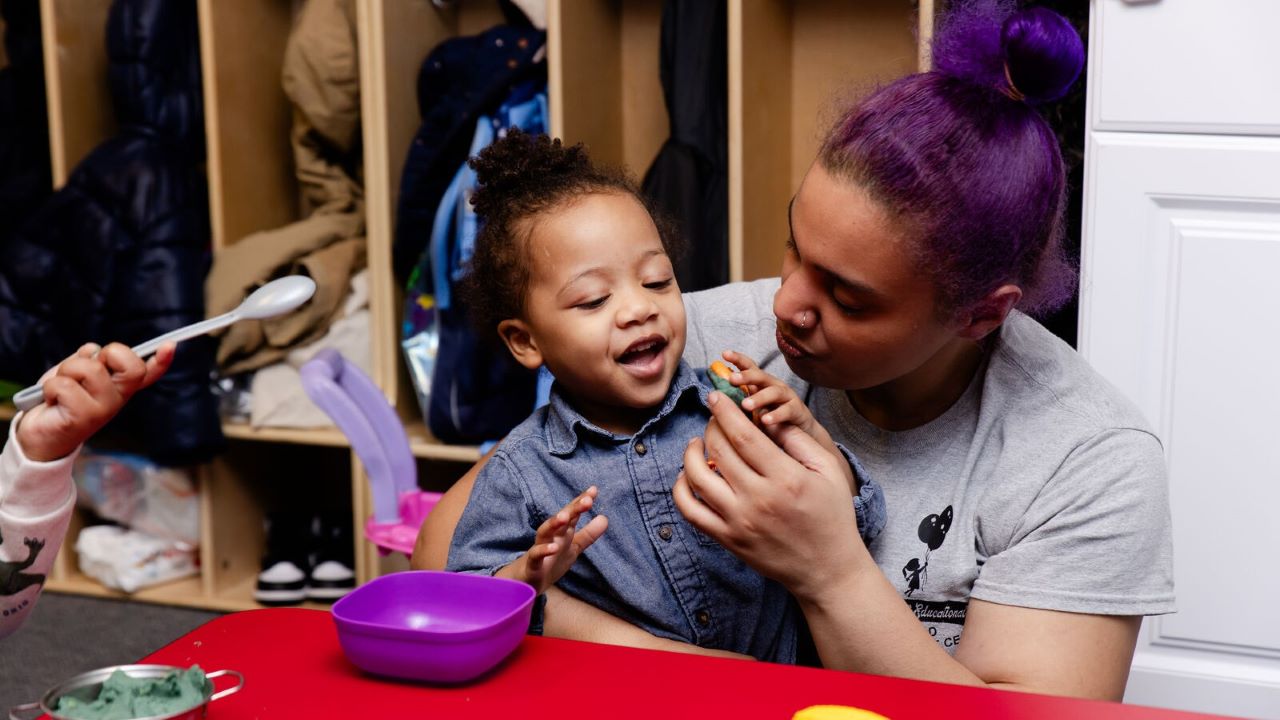
Being the caregiver of a child can be equally exhilarating and exhausting. As a result, many caregivers find themselves worn out and running on empty.

When this happens, the latest Thriving Kids podcast episode explores, even small challenges can be overwhelming.

Learn More

In the podcast, Dave Anderson, PhD, senior psychologist and vice president of public engagement and education at the Child Mind Institute, discusses with Joanna Kim, PhD, an associate professor of psychology at Arizona State University, why taking care of oneself as a caregiver is important, but might feel unrealistic.

The podcast discussion involves how guilt can prevent a caregiver from meeting their own needs, why self-care doesn’t have to mean making big changes, and how filling one’s own cup helps caregivers to show up for their child with more calm, patience, and consistency.

In addition, Thriving Kids provided some reminders about caring for oneself as a caregiver.

  • Being a caregiver can be demanding, and sometimes it can feel like you’re running on empty. But taking care of yourself is essential and self-care isn’t a luxury. Even taking small, mindful moments dedicated to yourself can make a big difference.
  • Building a strong support network is crucial. Surround yourself with other adults – a partner, family members, friends, or fellow parents – who understand your challenges and can lend a helping hand. Share responsibilities, delegate tasks, and ask for help.
  • Investing in your well-being isn’t selfish – it’s empowering. When you take care of yourself, you’re better able to parent with patience, joy, and presence. You’ll also set a positive example for children in your care by demonstrating that it’s important to take care of yourself.

Resources Provide Tips for Caregivers with Children Navigating Friendship Losses

News

March 2, 2026

Resources Provide Tips for Caregivers with Children Navigating Friendship Losses

Breaking off a friendship or drifting apart can be challenging no matter the age, but it can be especially difficult for young children, affecting the way they think about themselves and future relationships.

The Child Mind Institute has put together a list of resources about friend breakups that aim to help children when they’re struggling.

Learn More

For young people, losing a friend can feel like a personal rejection – even if that’s not the case. To help cope with the feelings of rejection, caregivers should validate children’s feelings and eventually encourage them to see a painful experience as an opportunity for growth.

Friendship problems can be even more difficult for children who already struggle to make friends, whether they are lonely or have trouble navigating social situations.

Among the resources is an episode of the Thriving Kids podcast in which psychologist Dave Anderson, PhD, answers questions about parenting teens and interacting with their friends. The episode includes tips on how to help a child build healthier relationships.

The Child Mind Institute’s resources include:

February Recalls on Children’s Products

News

February Recalls on Children’s Products

Parents and caregivers should be aware of several child-related products recalls.

Learn More

Below is a list of February recalls collected from the following federal agencies: the Consumer Product Safety Commission, the Food and Drug Administration, and the National Highway Traffic Safety Administration.

IF Copack LLC dba Initiative Foods recalled its Tippy Toes brand apple pear banana due to elevated levels of patulin, a naturally occurring substance that is produced by molds that may grow in various fruits. Long-term exposure can lead to such health consequences as immune suppression, nerve damage, headache, fever, and nausea. 

Huaker recalled its Magnetic Balls and Rods sets because they violate mandatory standards for toys. The sets contain small balls and are intended for children under 3 years of age, posing a deadly choking hazard.

Magnetic chess games sold on Amazon were recalled because they contain loose magnets that pose an ingestion hazard to children. When high-powered magnets are swallowed, the magnets can attract each other or other metal objects and become lodged in the digestive system, resulting in perforations, twisting, or blockage of the intestines as well as blood poisoning, and death.

The KiddoSpace recalled its children’s Christmas tree play sets due to risks posed by lead exposure. The zipper pull on the music box compartment contains levels of lead that exceed federal regulations. If ingested, lead is toxic to young children and can cause adverse health issues.

The KiddoSpace recalled its reusable water balloons due to the risk of injury from phthalate exposure. The cord lock on the balloon’s storage bag contains a regulated phthalate, which violates federal bans. Phthalates are toxic if ingested by children. 

The KiddoSpace recalled its children’s fingerpainting kits due to the risk of injury from hazardous substances and phthalate exposure. The kits contain methanol and ethylene glycol and are intended for children under 12 years of age. The products also contain a regulated phthalate, which can cause adverse health effects if swallowed by children.

The KiddoSpace recalled its children’s handwriting practice kits due to the risk of injury from lead exposure. The pens in the kits contain levels of lead in the nib that exceed federal regulations. Lead is toxic and can cause adverse health effects if ingested by children.

Joyreal has recalled its Busy Board Children’s Toys because they violate a small parts ban. The small mirror on the toys can detach, posing a deadly choking hazard. The toys also have sharp edges, posing a laceration hazard.

Sanven Technology recalled its Vevor Baby Gates because they violate mandatory standards for expansion gates and expandable enclosure. A child’s torso can fit through the opening between the gate and the floor, posing a risk of serious injury due to entrapment.

The KiddoSpace recalled its children’s story books because the books’ felt parts can detach, posing a choking hazard. 

The KiddoSpace has recalled its LED soccer hover balls because the surface temperature of the toys’ batteries exceeds the allowable limit, posing a risk of burn injuries.

SumDirect has recalled its LED mini lights because they violate mandatory standards for products containing button cells or coin batteries. The lights contain button cell batteries that can be easily accessed by children, posing an ingestion hazard. Additionally, the lights do not have warnings required by law. When button cell or coin batteries are swallowed, they can cause serious injuries, internal chemical burns, or death.

Bicystar has recalled its high chairs because they were sold without the required crotch restraint, posing a deadly fall hazard for children. The child’s head can become trapped between the seat and the side of the high chair, posing an entrapment hazard.

Grtard has recalled its magnetic stick figure toy sets because they contain magnets posing an ingestion hazard to children. When high-powered magnets are swallowed, they can attract each other or other metal objects and become lodged in the digestive system. This can result in perforations, twisting, or blockage in the intestines as well as blood poisoning, or death.

Somgem Pig and Yomin toilet lighters have been recalled because they violate mandatory standards for cigarette lighters. The lighters do not have child-resistant mechanisms, posing a serious risk of injury or death from fire or burn hazards.

Zelbuck has recalled its children’s chess games because they contain loose magnets that pose an ingestion hazard to children. When high-powered magnets are swallowed, they can attract each other or other metal objects and become lodged in the digestive system. This can result in perforations, twisting, or blocking of the intestines as well as blood poisoning or death.

Magnetic chess games have been recalled because they contain loose magnets that pose an ingestion hazard to children. When high-powered magnets are swallowed, they can attract each other or other metal objects and become lodged in the digestive system. This can result in perforations, twisting, or blocking of the intestines as well as blood poisoning or death.

The KiddoSpace has recalled its peg doll children’s toys. The toys, which are intended for children under age 3, can block a child’s airway, posing a risk of choking and death to children.

Evajoy has recalled its above-ground pools that are 48 inches and taller. The compression strap that surrounds the outside of the pool legs may create a foothold, allowing a child to access the pool and posing a drowning risk.

Babysense has recalled its Max View baby monitors. The display or “parent” unit of the monitors can overheat or spark when charging, posing a fire hazard.

The KiddoSpace has recalled its children’s Montessori egg puzzle toys. The toys, which are intended for children under age 3, have eggs that can block a child’s airway, posing a risk of choking and death.

Royal Oak Enterprises recalled its lighters because they do not have required child-resistant mechanisms, posing a risk of serious injury or death from fire and burn hazards. The lighters also violate labeling requirements under federal law by missing required safety information.

The KiddoSpace has recalled its children’s sensory swing because its flexible fabric can form loops that can entangle a child’s head or neck, posing a risk of serious injury or death from strangulation.

The KiddoSpace has recalled its children’s flashcard talking toys because they contain levels of lead and phthalates that exceed federal standards. Lead and phthalates are toxic and can cause adverse health effects if swallowed by children. The flashcards also fail to comply with the short circuit protection requirement for battery-operated toys.

Surreal Brands recalled its children’s Tubby Tots Fizzy Flask Bath Magic Bath Foam sets. Moisture trapped inside the bath foam set container can cause pressure to build up, allowing pieces to be forcefully ejected when opened, posing an impact hazard.

Trankerloop recalled its baby bath sets because they violate mandatory standards for infant bath seats. The seats can tip over while in use, posing a risk of serious injury or death due to drowning.


Start Strong PA Survey Focuses on Child Care Staff Recruitment and Retention Program

News

February 26, 2026

Start Strong PA Survey Focuses on Child Care Staff Recruitment and Retention Program

The Start Strong PA Campaign is calling on child care program staff to fill out a survey regarding the need for increased funding for the Child Care Staff Recruitment and Retention Program in the 2026-27 state budget.

Learn More

The Start Strong PA Campaign is collecting information from Pennsylvania child care directors and owners about the ongoing staffing crisis. While last year’s state budget included funding to help child care programs offer a bonus to eligible teachers, child care programs are still in need of more funding to keep their classroom and program doors open.

The information collected from the 15-minute survey will be used to demonstrate the urgent need for the 2026-27 state budget to increase funding for the recruitment and retention program, so the workforce is paid a livable wage and classrooms can remain open for working families.

The survey includes questions about the number of open staff positions, closed classrooms, and underenrolled classrooms as well as whether programs are having difficulty recruiting teachers.

Those who complete the survey by Friday, March 20 will be entered in a $100 gift card drawing. The deadline to fill out the survey is Sunday, April 5.

Resources for March Observances

News

February 25, 2026

Resources for March Observances

Various organizations, states, and nations recognize observances each month. Resources help parents, caregivers, and child care professionals to acknowledge and navigate them.

Here is a list of resources for March observances.

Month-Long Observances

Women’s History Month

National Nutrition Month

Developmental Disabilities Awareness Month

National Craft Month

National Reading Month

National Color Therapy Month

Week-Long Observances

March 2-6 is National Read Across America Week

Day Observances

March 1 is Baby Sleep Day

March 4 is National Equal Pay Day

March 7 is National Play Outside Day

March 8 is International Women’s Day

March 12 is National Working Moms Day

March 14 is Science Education Day

March 19 is International Read to Me Day

March 20 is International Day of Happiness

March 21 is World Down Syndrome Day

Parents Asked to Take Survey on New Investment Accounts for Babies

News

Pennsylvania Key’s February Health Trend Focuses on Dental Care for Children

News

Pennsylvania Key’s February Health Trend Focuses on Dental Care for Children

Children miss about 34 million school hours annually due to dental problems and unplanned dental care, according to The Pennsylvania Key, which focused on dental health for its February health trends report.

Learn More

According to The Pennsylvania Key’s health trends report, tooth decay is more common than asthma, and about 50% of children between the ages of 2 and 19 have had cavities.

Children from low-income families have more untreated cavities due to: 

  • Lack of resources to pay for care
  • Lack of transportation to a clinic
  • Inability to get time off from work
  • Physical disability or other illness

As a result, children with tooth decay suffer from difficulty eating, poor nutrition, delayed physical development, and poor self image and socialization. 

Although largely preventable, if untreated tooth decay can lead to pain, inflammation, and the spread of infection to bone and soft tissue. Untreated cavities can cause brain abscesses, which require hospitalization. 

According to The Pennsylvania Key’s report, pregnant women and children experiencing homelessness are most vulnerable to poor oral health. Children experiencing homelessness are more likely to live with chronic diseases, behavioral health concerns, developmental delays, hunger, and malnutrition.

Some tips for caregivers to take for young children’s dental health include:

  • Do not put a baby to bed with a bottle at night or at naptime, and do not let a baby use a bottle field with a sweet drink.
  • Limit frequent snacking and sugary beverages for children.
  • Encourage supervised brushing with fluoride toothpaste – and make sure they brush thoroughly twice per day for two minutes.

For more information, read The Pennsylvania Key’s Dental Health Matters: Health Trends in Early Childhood Education.

Head Start Releases Food Insecurity Fact Sheet That Focuses on Pregnant Women and Children

News

February 23, 2026

Head Start Releases Food Insecurity Fact Sheet That Focuses on Pregnant Women and Children

In the wake of recent increases in demand for food assistance and disruptions in the systems that provide it, Pennsylvania’s Head Start Collaboration Office has released a fact sheet regarding food insecurity.

The fact sheet highlights key considerations for serving pregnant women, infants, toddlers, preschoolers, and individuals with special needs.

Learn More

The Head Start fact sheet notes that it is vital for community partners to connect to provide resources for pregnant women and children experiencing homelessness because their nutritional needs are unique and essential to their health and development.

Persistent hunger can affect immediate physical well-being, but it can also hinder learning and development and contribute to long-term trauma, potentially shaping an individual’s sense of safety and stability throughout life.

The fact sheet highlights considerations for serving pregnant women and children of various ages such as limited access to refrigeration and food storage. It is intended to serve as a practical tool to guide program actions, educate the community, and frame meaningful conversations about nutrition with staff and families.

Fact Sheet

The fact sheet notes that homelessness can result in:

  • Absence of ongoing access to child food items, snacks, and adaptations for special needs
  • Lack of kitchen facilities, such as sink, stove, refrigeration, storage, utensils
  • Barriers obtaining WIC/SNAP and medications, such as transportation, address changes, and technology

Homelessness during pregnancy, according to the fact sheet, increases the likelihood of prenatal and delivery complications and developmental delays due to inadequate nutrition.

For infants, homelessness during infancy negatively affects breastfeeding, access to formula, and understanding sensitivities, while for toddlers it can limit exposure to a variety of age-appropriate food items and opportunities for mastering body awareness, sensation, and preferences.

Homelessness during the preschool year is associated with persistent hunger, which affects growth, attention, engagement, and learning.

For more information, take a look at Head Start’s fact sheet.

PA Selected for National Thrive from the Start Award to Address Infant and Toddler Homelessness

News

PA Selected for National Thrive from the Start Award to Address Infant and Toddler Homelessness

Pennsylvania is one of 10 states that have been chosen to receive a $100,000 Thrive from the Start award.

The national initiative led by Thrive from the Start and coordinated by Zero to Three in partnership with SchoolHouse Connection, Prevent Child Abuse America, Housing Is, and the National Collaborative for Infants & Toddlers.

Learn More

The grant will enable partners within the state to build on – rather than duplicate – existing state and local efforts, while strengthening collaboration with advocacy and community partners to increase public and policymaker understanding of prenatal-through-age-3 homelessness.

Families with infants and toddlers are often invisible in traditional homelessness systems, despite facing significant developmental and health risks. 

The Thrive from the Start award enables Pennsylvania to further connect the systems that affect families earliest, ensuring that stable housing and high-quality early supports are available together, so every child has the foundation to thrive.

The investment also recognizes the state’s long-standing, cross-sector work to strengthen identification, coordination, and policy responses for infants, toddlers, and expectant parents experiencing homelessness or housing instability. Through the state’s Office of Child Development and Early Learning (OCDEL), the state has built a strong foundation of systems coordination, data use, and practice improvement across early childhood, housing, health, and maternal systems.

Thrive from the Start will allow the state to deepen its prenatal-to-3 focus, align systems around a shared policy agenda, and elevate evidence-informed strategies grounded in data and lived experience.

The state’s award will be fiscally managed by the Susquehanna Education Foundation and implemented through the leadership of the OCDEL McKinney-Vento Advisory Group – of which Trying Together is a member – with grant coordination led by the Pennsylvania Head Start State Collaboration Office. 

Educators Learn Importance of Collaboration at Kindergarten Transition UnConference

News

February 20, 2026

Educators Learn Importance of Collaboration at Kindergarten Transition UnConference

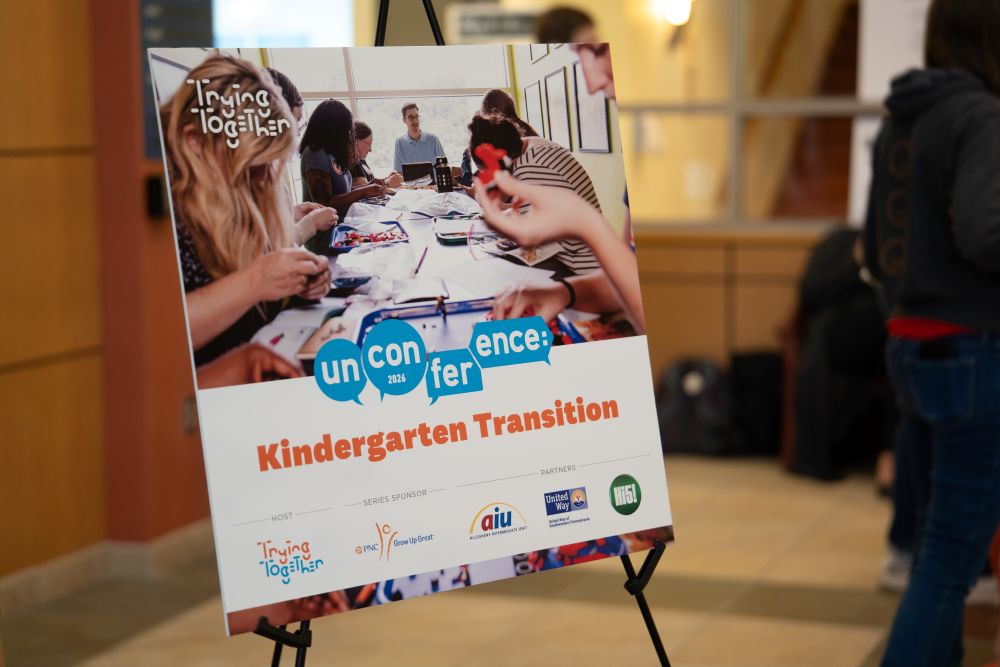
Over 100 early childhood educators attended UnConference: Kindergarten Transition on February 16 to learn how to best prepare early learners for kindergarten. Throughout the day, attendees learned from experts on early intervention practices, how to engage parents, play-based learning, ways to connect with community resources, emotional regulation, and more. The UnConference was hosted by Hi5! partners Trying Together, Allegheny Intermediate Unit (AIU), and United Way of Southwestern PA (UWSPA).

Learn More

The UnConference was opened by Cara Ciminillo, executive director for Trying Together. She began by thanking the gathered educators for their commitment and dedication to learning more about kindergarten transition. Ciminillo also expressed her gratitude to PNC Grow Up Great for their continued support. 

Ana Kay Yaghoubian then spoke about the work of UWSPA, before introducing the keynote speaker, Swati Adarkar. Adarkar is the former Deputy Assistant Secretary for Policy and Early Learning in the Office of Elementary and Secondary Education for the Department of Education under the Biden administration.

Keynote

woman speaking to audienceAdarkar began her keynote by emphasizing the critical importance of kindergarten. “Kindergarten is a key inflection point for early learning, early school success, and equity,” she said.
She described kindergarten as a “golden time to continue building partnerships” between early learning programs, kindergarten teachers, and families. This is the ideal time to “build the relationships, routines, and habits that are essential to early school success and everyday school attendance.”

Chronic absenteeism is a major hurdle, but continued relationship building beyond the initial kindergarten transition can help mitigate this issue. 

One participant shared in a post-event survey that they “loved the insights she [Adarkar] shared and the importance of creating a partnership with the k-12 districts your students will attend.”

Early Intervention Panel

Following the keynote, a panel of early intervention professionals and advocates answered questions from Val Williams, Kindergarten Transition Program Director for Trying  Together. The panel included: 

  • Brandi Binakonsky, Ed.D, PATTAN
  • Kelly Garfold-Seng, Parent Advocate
  • Loreleigh R. Elders, Ed.D., AIU
  • Lauren Stuparitz, Parent Advocate
  • Sarah Shue, Ed.D., Chartiers-Houston School District

The panel was asked questions about transitions and procedures, their own personal experiences with early intervention, and how early learning programs can partner with families and kindergarten teachers during the transition. 

Stuparitz, a parent advocate, shared that kindergarten transition can be tricky because there is often a wall dividing early childhood education and kindergarten. She said that she had to do a lot of research herself, but found it helpful to reach out to experts and other parents who had already been through the process. 

Workshops

Participants attended two workshops and learned from experts in the field representing Allegheny Intermediate Unit 3, Sunflower Education Group,  Fred Rogers Productions, Parent Organization Network, and Supporting Kids in Play.

These workshops covered the following topics:

  • How Community Partnerships Strengthen Kindergarten Readiness Efforts
  • A K.I.N.D. Framework for Engaging Parents
  • Preparing for Kindergarten with Fred Rogers Productions
  • Strengthening My Early Learner: A Parent’s Journey
  • The Power of Play

One workshop attendee noted that they “took away so many play ideas.” Another attendee “learned a lot more information about kindergarten readiness for [their] kiddos.”

Closing

Dr. Wendy Smith, the Director of Early Childhood, Family & Community Services for the AIU, energized the group with her closing remarks. Her biggest takeaway from the day is that communication is essential. She encouraged the attendees to take what they learned and apply it to their work. “Think of one or two things you learned, and just do it.”

“You’ve got to cheer, you’ve got to shout, you’ve got to make it happen,” she continued. “I want the whole community to hear that early childhood and K-12 educators are here talking about smooth transitions in kindergarten and beyond.”