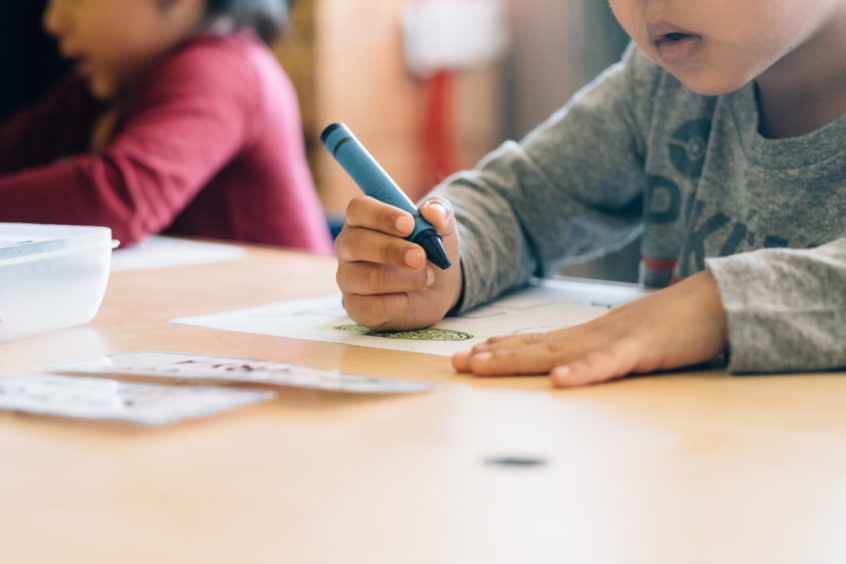
The latest Thriving Kids podcast explores how caregivers might view the future for children struggling with a learning disorder or ADHD. It includes the insight of a well-known actor who once struggled with such a situation.
Learn More
Dave Anderson, a senior psychologist and vice president of public engagement and education for the Child Mind Institute, joins actor Orlando Bloom on this week’s podcast to discuss the topic.
On the podcast, Bloom discusses growing up with dyslexia, including the challenges he faced paying attention and concentrating in school. He also talks about how he developed workarounds before many of today’s evidence-based supports existed.
The podcast discussion also focuses on how movement, mindfulness, good nutrition, and sleep can help children and adults manage attention and learning challenges.
To accompany the podcast, the Child Mind Institute provided several tips on how to support children with ADHD or learning disorders:
- Get them moving – Research shows that even 30 minutes of physical activity a day can help children with ADHD focus better, whether it’s a run before school or a game of tag during recess.
- Find their area of excellence – Every child has something they are good at and finding an activity that gives them a sense of mastery can improve their confidence and self-esteem.
- Cover the basics first – Emphasize sleep, nutrition, and movement. If children aren’t sleeping well, getting regular exercise, or eating properly, it’s harder for them to focus and regulate emotions at school.
- Try mindfulness – Mindfulness practices can help children become less reactive and more focused; even a few minutes a day of paying attention to breathing helps to build a skill they can use for the rest of their lives.
- Help them understand their diagnosis – Children do better when they know that a learning difference isn’t a reflection of their intelligence. Help them to understand how their brain works and give them language to talk about their strengths and challenges.
To learn more, listen to the Thriving Kids podcast.
An estimated one in five children in the United States have a learning or attention issue, so the latest Thriving Kids podcast focuses on what caregivers should do to address these issues.
Learn More
In the podcast, Dave Anderson, the Child Mind Institute’s senior psychologist and vice president of public engagement and education, joins Jacqueline Rodriguez, PhD, the CEO of the National Center for Learning Disabilities, to discuss the topic.
The podcast includes discussion of what caregivers are seeing and feeling when their child starts to struggle, why early screening and evidence-based intervention can make a life-changing difference, and how evolving language around learning disabilities – from “learning disorder” to “neurodivergent” – reflects a shift in how people are owning their identities.
Other strategies for caregivers with children with learning or attention difficulties include:
- Help them reframe the narrative; listen closely to how a child talks about themselves and their abilities – if you hear “I’m stupid” or “I can’t do anything right,” gently help them to reframe those thoughts. A learning disability means that their brain works differently, and not that they’re less capable.
- Practice speaking up. Self-advocacy is a skill that gets easier with practice; role-play conversations your child might have with a teacher, such as asking for extra time on a test. The more comfortable they are using their voice now, the better prepared they’ll be in middle school, high school, and beyond.
- Talk with them about their diagnosis – and early. Children are often more capable of understanding things than they are given credit for, and a learning specialist can help to find age-appropriate language. The sooner they can say that they have dyslexia or learn differently, the sooner they can advocate for themselves.
For more information, listen to the latest Thriving Kids podcast.
Children are often diagnosed with mental health or learning challenges in middle and high school after having struggled for years without support.
Some of them could have been identified and gotten help earlier if adults in their lives had recognized the signs. The Child Mind Institute has put together resources on how to keep an eye out for early signs of developmental disorders.
Learn More
The institute’s resources on how to recognize signs cover a number of developmental disorders, including autism, ADHD, nonverbal learning disorder (NVLD), and dyslexia.
One article focuses on NVLD at various ages, from preschool to high school, and how in young children it can show up as a motor delay or difficulty drawing shapes, building with blocks, or doing puzzles.
Another discusses how some of the earliest signs of autism include delays in simple gestures such as pointing and sharing objects with others. One resource focuses on how learning disorders such as dyslexia and dyscalculia often aren’t caught until a child is struggling to keep up in school, but there may be early signs in preschoolers, such as trouble with rhymes or counting.
A resource on ADHD in preschool discusses how identifying it early can help children get behavioral support they need to succeed when they get to elementary school. Anxiety and depression are covered in two other resources.
The Child Mind Institute’s resources include:
Books can be a great method of helping children to cope with such issues as ADHD, anxiety, the loss of a loved one, or regulating their emotions.
The Child Mind Institute has compiled a list of 2025 books that tackle the topic of mental health and included other resources.
Learn More
Stories that address mental health topics for children are becoming more prevalent. Among the Child Mind Institute’s selections are picture books for young children and graphic novels and YA books for tweens and teens.
Topics include everything from teaching children how to read – including those with dyslexia – as well as how to help preschoolers learn mental health skills.
The Child Mind Institute’s list of resources include:
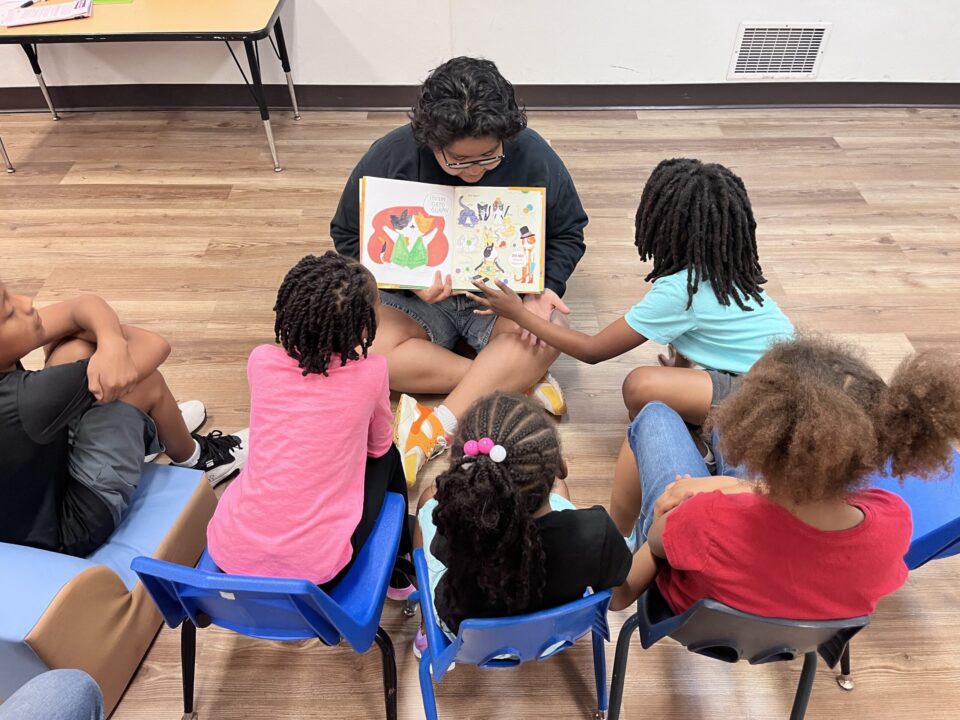
The Child Mind Institute has shared a series of resources and articles on learning disorders among children that focus on everything from sensory processing issues to how to support children with attention-deficit/hyperactivity disorder (ADHD).
Learn More
The resources provided by The Child Mind Institute discuss how learning disorders evolve as children grow up and how parents can support them over time.
Topics include ADHD, dyslexia, sensory processing issues, and how some symptoms of various disorders might diminish over time but then present different challenges.
Articles shared by The Child Mind Institute include:
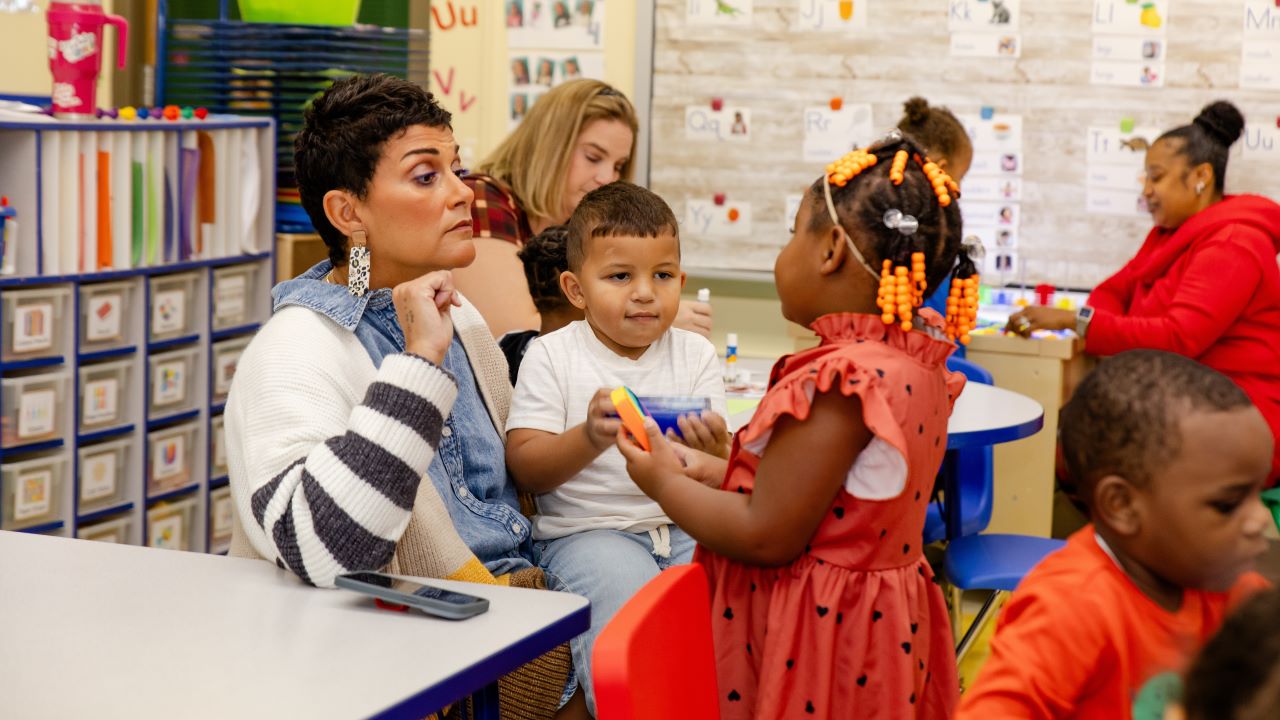
Various organizations, states, and nations recognize a number of observances each month. Resources help parents, caregivers, and child care professionals acknowledge and navigate them.
Here is a list of resources for October observances.
Month-Long Observances
HEAD START AWARENESS MONTH
DYSLEXIA AWARENESS MONTH
NATIONAL BOOK MONTH
Days of Recognition
OCTOBER 2 IS NATIONAL CHILD HEALTH DAY
OCTOBER 4 IS NATIONAL WALK TO SCHOOL DAY
OCTOBER 5 IS NATIONAL PLAY OUTSIDE DAY
OCTOBER 9 IS INDIGENOUS PEOPLES’ DAY
OCTOBER 10 IS WORLD MENTAL HEALTH DAY
OCTOBER 11 IS NATIONAL COMING OUT DAY
- Gender, Gender Identity, and LGBTQ+ Inclusion, Trying Together
- Family Guide: Gender and Gender Identity, Trying Together
- Non-Gendered Play in Early Childhood, Trying Together
- How Are Sex, Gender, and Gender Identity Defined?, Trying Together
- Resource List: Books to Celebrate Gender Expression, Inclusion, and Pride, Trying Together

Various organizations, states, and nations recognize a number of observances each month. Resources help parents, caregivers, and child care professionals acknowledge and navigate them.
Here is a list of resources for October observances:
Month-Long Observances
Head Start Awareness Month
Dyslexia Awareness Month
Hispanic Heritage Month (continued)
National Book Month
Days of Recognition
October 2 is National Child Health Day
October 4 is National Walk to School Day
October 7 is National Play Outside Day
October 9 is Indigenous Peoples’ Day
October 10 is World Mental Health Day
October 11 is National Coming Out Day
- Gender, Gender Identity, and LGBTQ+ Inclusion, Trying Together
- Family Guide: Gender and Gender Identity, Trying Together
- Non-Gendered Play in Early Childhood, Trying Together
- How Are Sex, Gender, and Gender Identity Defined? Trying Together
- Resource List: Books to Celebrate Gender Expression, Inclusion, and Pride, Trying Together

Dyslexia Awareness Month in October aims to support those with this learning difficulty. Dyslexia is not a disorder of any kind; but it is a learning impairment that causes problems with writing, reading, and spelling.
About
The intelligence of dyslexic people is unaffected. This misunderstanding of the condition leads to stigmas, which Dyslexia Awareness Month aims to eradicate.
The International Dyslexia Association defines dyslexia as the following:
“Dyslexia is a specific learning disability that is neurobiological in origin. It is characterized by difficulties with accurate and/or fluent word recognition and by poor spelling and decoding abilities. These difficulties typically result from a deficit in the phonological component of language that is often unexpected in relation to other cognitive abilities and the provision of effective classroom instruction. Secondary consequences may include problems in reading comprehension and reduced reading experience that can impede growth of vocabulary and background knowledge.”
Resources
In support of Dyslexia Awareness Month, Trying Together, as well as our Buzzword program, have provided resources on dyslexia, and other learning impairments:
Buzzword List of children’s books surrounding dyslexia:
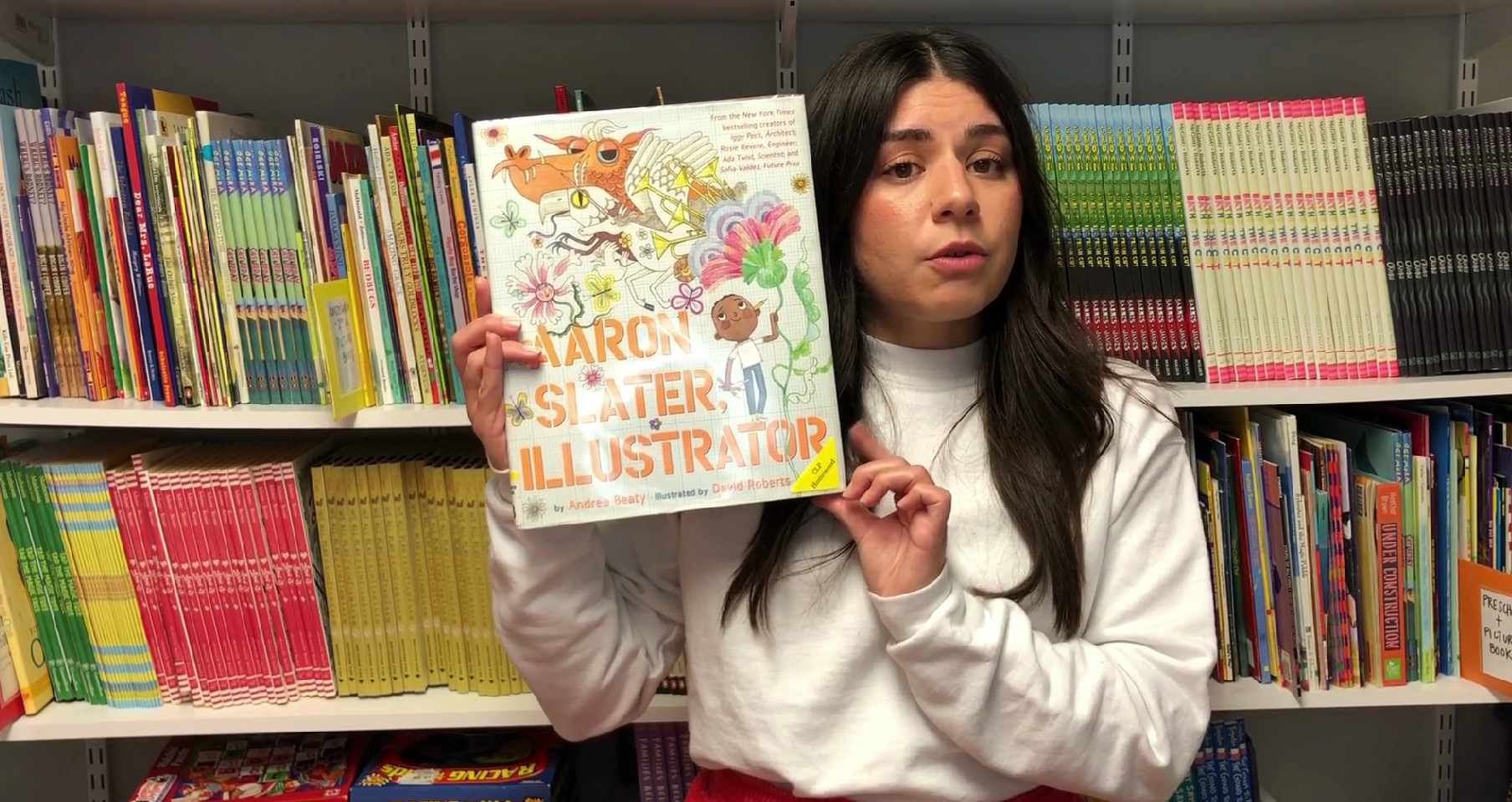
You can also check out the latest video from Buzzword regarding a great, amazing read for children called “Aaron Slater, Illustrator” by Andrea Beaty.
Are you interested in learning about tips, techniques, and strategies that are designed to support students with dyslexia? Join Learning Ally on April 9 for the webinar, “Strategies for Virtual Learning for Students with Dyslexia.”
About
The thought of accomplishing meaningful virtual learning for students is a daunting one. When you consider the complexities of providing intervention, accommodations, and other supports for students with dyslexia in a virtual learning environment, the task becomes even more intimidating. It doesn’t have to be though! Join presenters for this webinar to learn tips, techniques, and strategies designed to keep your students learning. Presenters make sure you know what students need in order to thrive and leave you with a list of go-to resources that will prepare you to deliver instruction in a variety of virtual technology environments.
This webinar will be of value to pre-k through high school teachers and school and district leaders. There will be time for questions at the end of the presentation.
Registration
To register and learn more, visit the event webpage.