Various organizations, states, and nations recognize a number of observances each month. Resources help parents, caregivers, and child care professionals acknowledge and navigate them.
Here is a list of resources for January observances.
Month-Long Observances
INTERNATIONAL CREATIVITY MONTH
- Art Activities That Encourage Social-Emotional Development, Trying Together
- Supporting Social-Emotional Development Through Play: A Guide for Families, Trying Together
- How Bluey Showcases Play, Creativity, and Emotional Learning for Children… and Adults, Playful Pittsburgh
- The Relationship Between Learning Through Play and Holistic Skills, Playful Pittsburgh
- “Sound” Activities, Buzzword
NATIONAL MENTORING MONTH
- Youth Mentoring, Boys & Girls Clubs of America
- Coaching & Mentoring, Trying Together
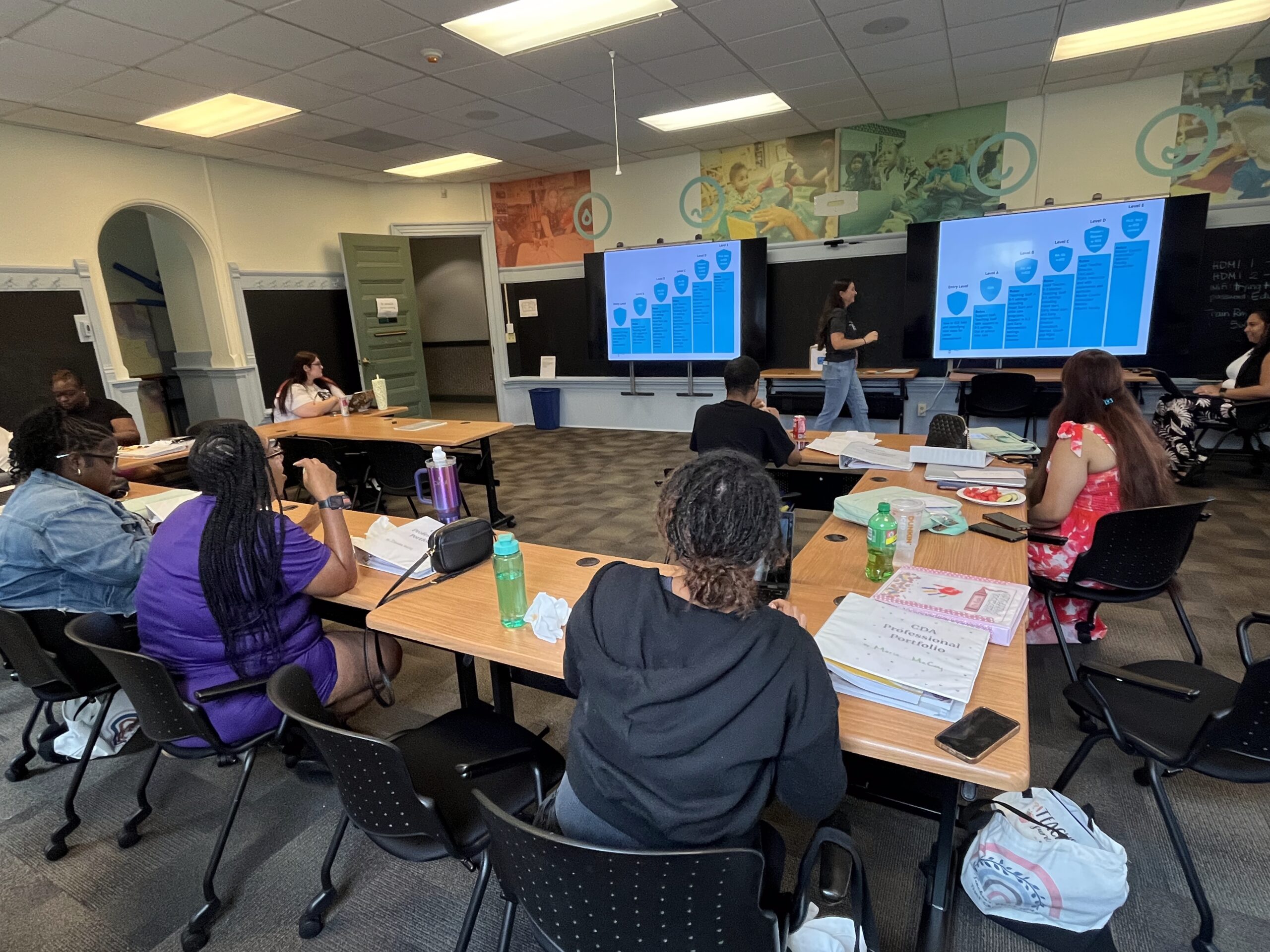
- Child Development Associate (CDA) Credential, Trying Together
NATIONAL HOBBY MONTH
- 5 Reasons Why You Should Revisit Your Childhood Hobby as an Adult, Fortune Well
- 5 Advantages That Hobbies Bring to a Child’s Development, City Magazine
- Ways to Play During Winter, Playful Pittsburgh
- The Transformative Power of Games, Playful Pittsburgh
SELF-LOVE MONTH - Self-Care Resources for Parents and Caregivers, Trying Together
- Navigating Difficult Emotions as Caregivers: A Guide for Families, Trying Together
- 50 Resources to Support the Mental Health of Teachers and School Staff, Trying Together
- The Power of Self-Love, Psychology Today
Week-Long Observances
NATIONAL STORYTELLING WEEK
- Supporting Early Literacy Development, Buzzword
- Children’s Books on Race and Equity, Trying Together
- National Storytelling Week 2026, National Literacy Trust
Day Observances
JANUARY 2 IS MOTIVATION AND INSPIRATION DAY
- “Brave” Activities, Buzzword
- Encouraging Positive Racial Identity in Young Children, Trying Together
- Growing Self-Esteem: Positive Affirmations for Children, Bright Horizons
- The Cheer, Lindsey Gurk
JANUARY 3 IS INTERNATIONAL MIND-BODY WELLNESS DAY
- Mindfulness for Children, Trying Together
- Big Body and Physical Play: Benefits and Activities for All Ages, Playful Pittsburgh
- Social-Emotional Learning and Play Intersecting, Playful Pittsburgh
- Using Play to Support Children’s Physical Health, Playful Pittsburgh
- The Relationship Between Learning Through Play and Holistic Skills, Playful Pittsburgh
JANUARY 17 IS KID INVENTORS DAY
- “Plan” Activities, Buzzword
- “Geometric” Activities, Buzzword
JANUARY 19 IS MARTIN LUTHER KING JR. DAY
- Children’s Books on Race and Equity, Trying Together
- Anti-Racism Tools, Trying Together
- Taking Personal and Professional Responsibility for Anti-Racism Work, Trying Together
- Martin Luther King Jr. Day for Preschoolers, Kids Care Club
- 2026 King Holiday, The King Center
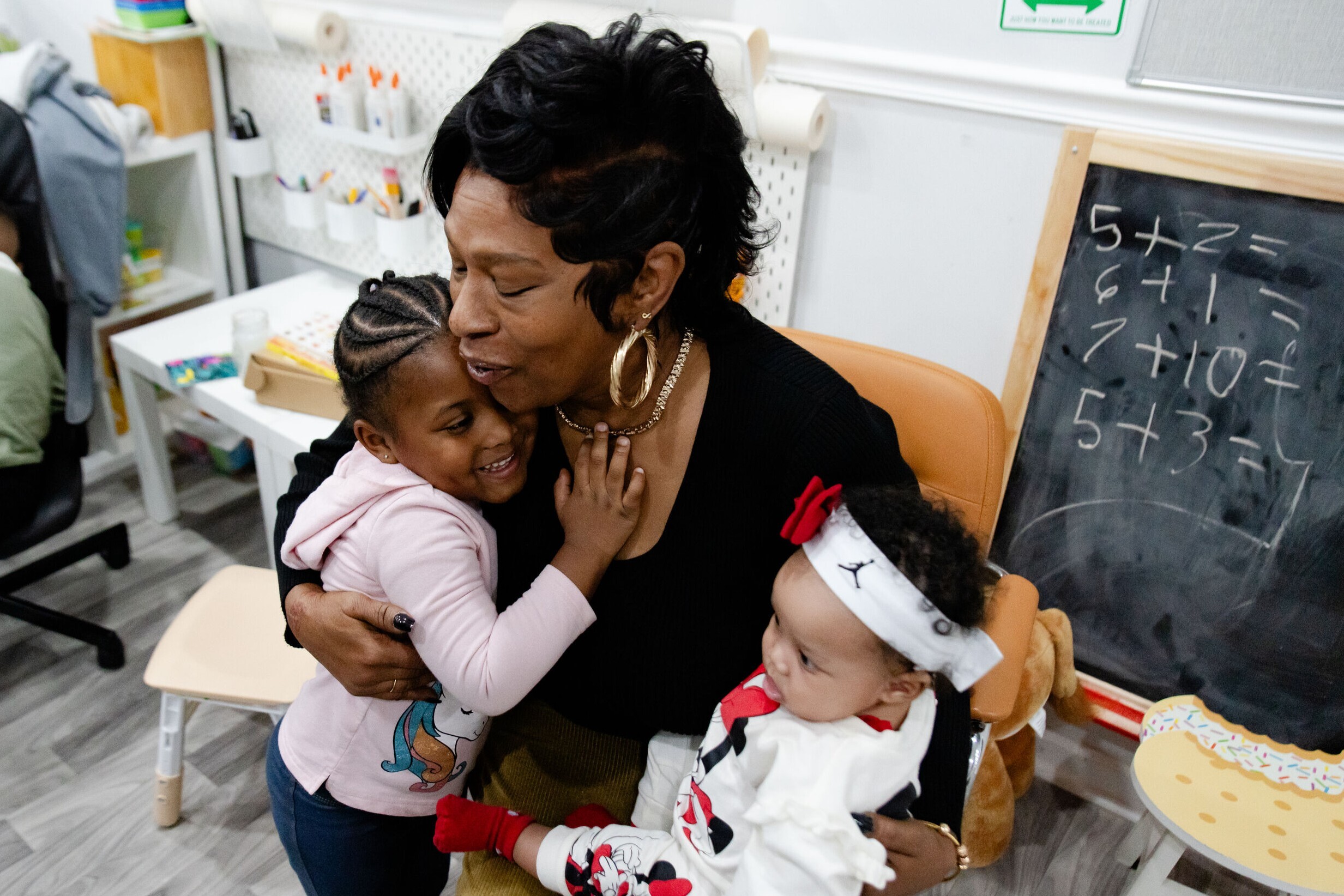
JANUARY 21 IS NATIONAL HUGGING DAY
- The Transformative Power of Hugging in Child Development, Meaningful Beginnings
- Respecting Your Child’s Boundaries, Trying Together
- “Friendship” Activities, Buzzword
JANUARY 24 IS INTERNATIONAL DAY OF EDUCATION
- Supporting the Work of Early Childhood, Trying Together
- Early Learning PA, Trying Together
- Roadmap to Understanding Child Development, Trying Together
- Supporting Early Literacy Development, Buzzword
JANUARY 24 IS NATIONAL COMPLIMENT DAY
- 6 Essential Tips for Raising Complimentary Children, Baby Steps
- “Thankful” Activities, Buzzword
- “Welcome” Activities, Buzzword
JANUARY 26 IS INTERNATIONAL ENVIRONMENTAL EDUCATION DAY
- Community and Family Programs, Pittsburgh Parks Conservancy
- “Metamorphosis” Activities, Buzzword
- “Migrate” Activities, Buzzword
“Bloom” Activities, Buzzword
JANUARY 28 IS NATIONAL LEGO DAY
- 10 Incredible Benefits of Playing with Lego®, Children’s Wellness Centre
- Let’s Talk Loose Parts Play, Playful Pittsburgh
- “Plan” Activities, Buzzword
JANUARY 29 IS NATIONAL PUZZLE DAY
- 10 Puzzle Activities for Toddlers, Preschoolers and Babies That Promote Learning, Speak.Play.Love
- Indoor Play and Why It’s Fun for Everyone, Playful Pittsburgh
The Transformative Power of Games, Playful Pittsburgh
JANUARY 31 IS INSPIRE YOUR HEART WITH ART DAY
- Art Activities That Encourage Social-Emotional Development, Trying Together
- “Sound” Activities, Buzzword
- Benefits of Art & Art History for Early Childhood Learning, Children’s Museum of Pittsburgh