News

May 18, 2026

World Play Day Emphasizes Importance of Play for Child Development

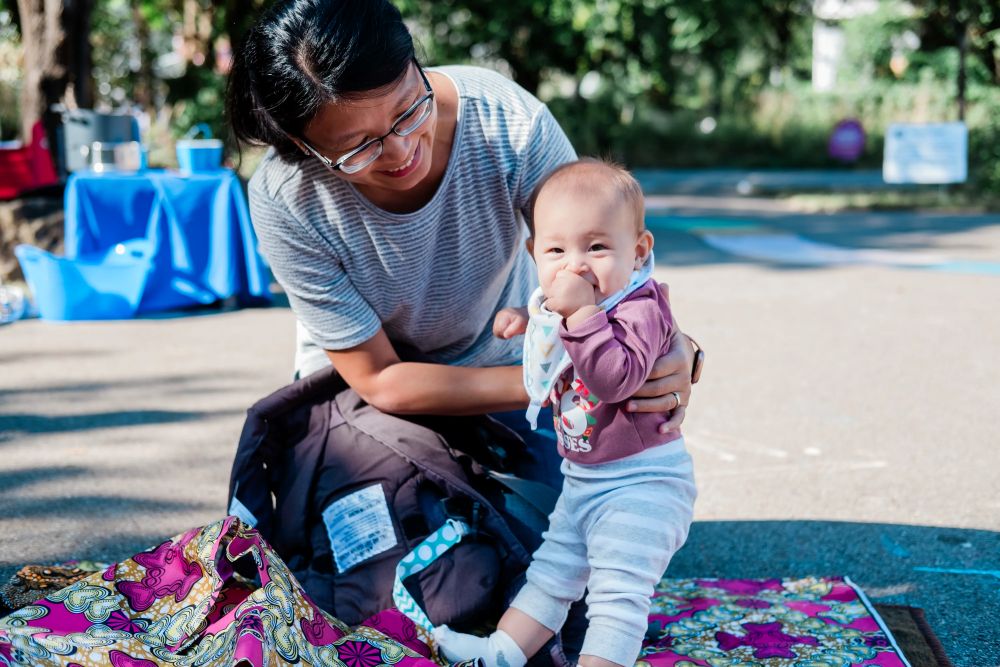
Families and educators will be encouraged to emphasize the important role that play has in children’s growth and learning on Thursday, May 28 for World Play Day.

Resources

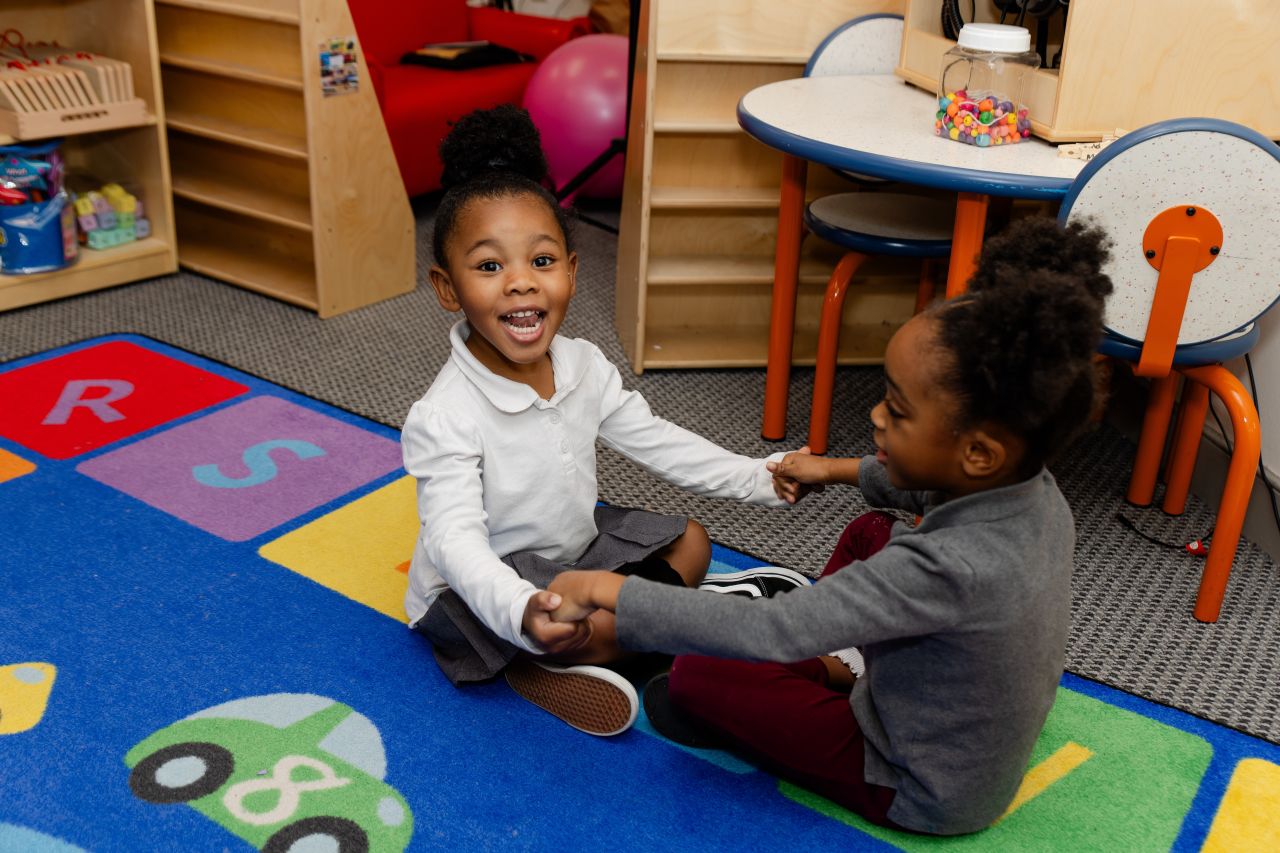
Play helps children to develop social skills, emphasizes creativity, improves language, and builds problem-solving skills. It improves children’s well-being and helps with brain development.

Trying Together’s Playful Resources Series includes a number of articles on how play can help children become interested in various topics (such as science), aid with social and cognitive development, and improve decision-making skills.

Some of the articles included in the series include:

The Importance of Play

In a resource titled The Importance of Play, PA Promise for Children notes that play is as important to a child’s development as work is for an adult. Play teaches children new skills and how to share with others. It also helps them to make decisions and learn about the world as well as work through scary and confusing experiences.

The American Academy of Pediatrics notes that play should be child-driven – not adult-directed – and that it is important for young people to have independent time away from TV, tablets, and video games for the sake of using their minds and keeping their bodies in good health.

PA Promise for Children writes that encouraging open-ended play can help children score higher in reading and math tests. A lack of play, on the other hand, can lead to childhood obesity, stress, aggression, and a lack of creativity or imagination.

Types of play that should be encouraged include:

  • Large and small-motor play
  • Language play (telling stories, making up silly songs)
  • Construction play (building things)
  • Sensory play (in mud or water)
  • Make-believe play
  • Rough-and-tumble and risk-taking play
  • Symbolic play (turning a stick into a magic wand, for example)
  • Mastery play (learning to do new things)

PA Promise for Children’s The Importance of Play article can be found on its website.

News

Mister Rogers Family Days to Offer Variety of Children’s Programming During First Week of June

Latrobe will host Mister Rogers Family Days during the first week of June, offering everything from story time events and classical music to a character meet-n-great and a scavenger hunt.

Learn More

Mister Rogers Days, which runs from June 1 to 6, celebrates the life, legacy, and hometown of Fred Rogers, the host of the beloved TV show “Mister Rogers’ Neighborhood.”

The week’s highlight is its Saturday festival, which runs from 11 a.m. to 3 p.m. on June 6. It will include an acoustic performance by Keith Willochell, a children’s arts and crafts activity at Artemis Supports, a climbing wall and obstacle course, Daniel Tiger storybook walk, a scavenger hunt, an exotic reptile show, a free children’s books giveaway, and other activities.

Other highlights during the week include:

  • Community open house at the Fred Rogers Institute (Monday, June 1)
  • Take the Plunge: Dive Into Reading Story Time at Rogers-McFeely Pool (Tuesday, June 2)
  • A Beautiful Night in the Neighborhood: Latrobe Shop Hop & Night Market (Wednesday, June 3)
  • Sounds of the Neighborhood: A Classical Tribute Featuring the Pianos of Fred and Joanne Rogers (Wednesday, June 3)
  • Children’s Craft “Bloom of Blessing & Wish Tree” (Thursday, June 4)
  • Latrobe Art Center’s Annual Open Show (Thursday, June 4)
  • WQED Cartoon Academy Performance and Illustration Workshop by Cartoonist Joe Wos (Friday, June 5)

For more information, visit the Mister Rogers Family Days website.

News

May 15, 2026

Allegheny County Health Department Announces Paid Parental Leave Proposal

The Allegheny County Health Department has announced a proposal that would require all employers in the county to offer at least 18 weeks of paid parental leave.

Ashley Harland, Trying Together’s PN-3 Early Childhood Policy manager, gave public comment at the Allegheny County Board of Health’s May 13 meeting in support of this proposal.

Learn More

“As an early childhood organization, we recognize that parents are a child’s first and most important teachers,” Harland said. “We believe that the true continuum of care begins with paid parental leave”

Harland, along with others who spoke in support of paid parental leave, outlined the benefits of the policy. Paid parental leave reduces infant and maternal mortality, protects maternal mental health; and supports the physical recovery and healing following labor and delivery. The policy also helps businesses retain employees, which supports workforce development and the local economy.

In addition, most child care providers do not enroll infants until they are at least six weeks old, and infant care is often expensive and difficult for working parents to find. Paid parental leave allows parents to care for their babies during a critical stage and bridges the gap before child care is more available.

“Allegheny County can be a leader in the Commonwealth by establishing paid parental leave and making our county a great place for families with young children to live and work,” Harland concluded.

The proposal would expand the county’s paid sick leave act and would require all employers to provide workers 18 weeks of paid leave following the birth or legal adoption of a child, which could be used at any point during the year after a new member joins the family

The county’s Board of Health unanimously approved moving the proposal to a 30-day public comment period and will vote on the final rule this summer before submitting it to County Council.

More Information

Health Department Paid Parental Leave Proposal – Allegheny County

Allegheny County may compel all employers to offer paid parental leave – Pittsburgh’s Public Source

Allegheny County to introduce paid parental leave proposal – WESA


News

May 13, 2026

Pennsylvania Key’s May Health Trend is Preventing Children from Lead Exposure

Lead is highly toxic to neural development in infants and young child – and exposure to lead in older housing, water infrastructure, and air pollution especially affects families in low-income communities.

The Pennsylvania Key’s health trend of the month for May focuses on preventing lead poisoning in young children.

Learn More

Lead exposure can cause permanent damage to the developing brains of fetuses and children, the Pennsylvania Key notes, as well as a variety of life-long impacts to health.

The Environmental Protection Agency (EPA), U.S. Centers for Disease Control and Prevention, American Academy of Pediatrics, and the World Health Organization agree that there is no safe level of lead exposure.

Lead exposure can cause permanent damage to fetuses and young children, including:

  • Low birth weight and related complications
  • Slowed growth and development
  • A loss of IQ points
  • Learning and behavior problems
  • Hearing and speech problems
  • Attention deficit hyperactivity disorder
  • In adults, it can affect the kidneys and reproductive systems, cause heart disease, and lead to fatal heart attacks.

Lead-based paint hazards are frequently found in homes built before 1978. Children can ingest lead dust by putting objects such as toys and dirt in their mouths and can be poisoned when they swallow or breathe in lead dust. Windowsills and wells can also contain high levels of lead dust, so they should be kept free of dust.

Some toys and jewelry imported from other countries might contain lead, while some imported ceramics and glazed dishes made in the United States prior to the 1990s might also contain lead.

The U.S. Food and Drug Administration (FDA) issued an alert about ground cinnamon sold in 2024 by a number of brands at six different retail chains. Samples of the products were tested by the FDA and were found to contain elevated levels of lead.

Water can absorb lead from pipes, fixtures, and solder located in the plumbing. Public water is regulated to ensure that it is lead-free – however, tens of millions of people nationwide drink tap water served by lead pipes.

Pennsylvania ranks fifth nationally for housing built before 1950, when lead-based paint was common.

For more information, visit The Pennsylvania Key’s website.

Lead Testing

The Shapiro Administration is launching a free water sampling program for eligible schools and child care facilities  to test for lead in drinking water.

In partnership with Terraphase Engineering, the program offers free water testing and, for those with elevated lead levels, grants to support lead-reduction activities, such as installing hydration stations. Eligible applicants could receive up to $3,000 per hydration station.

Schools and child care centers that meet the criteria are encouraged to apply. More details about the grant is available on the Pennsylvania Key’s website.

News

May 12, 2026

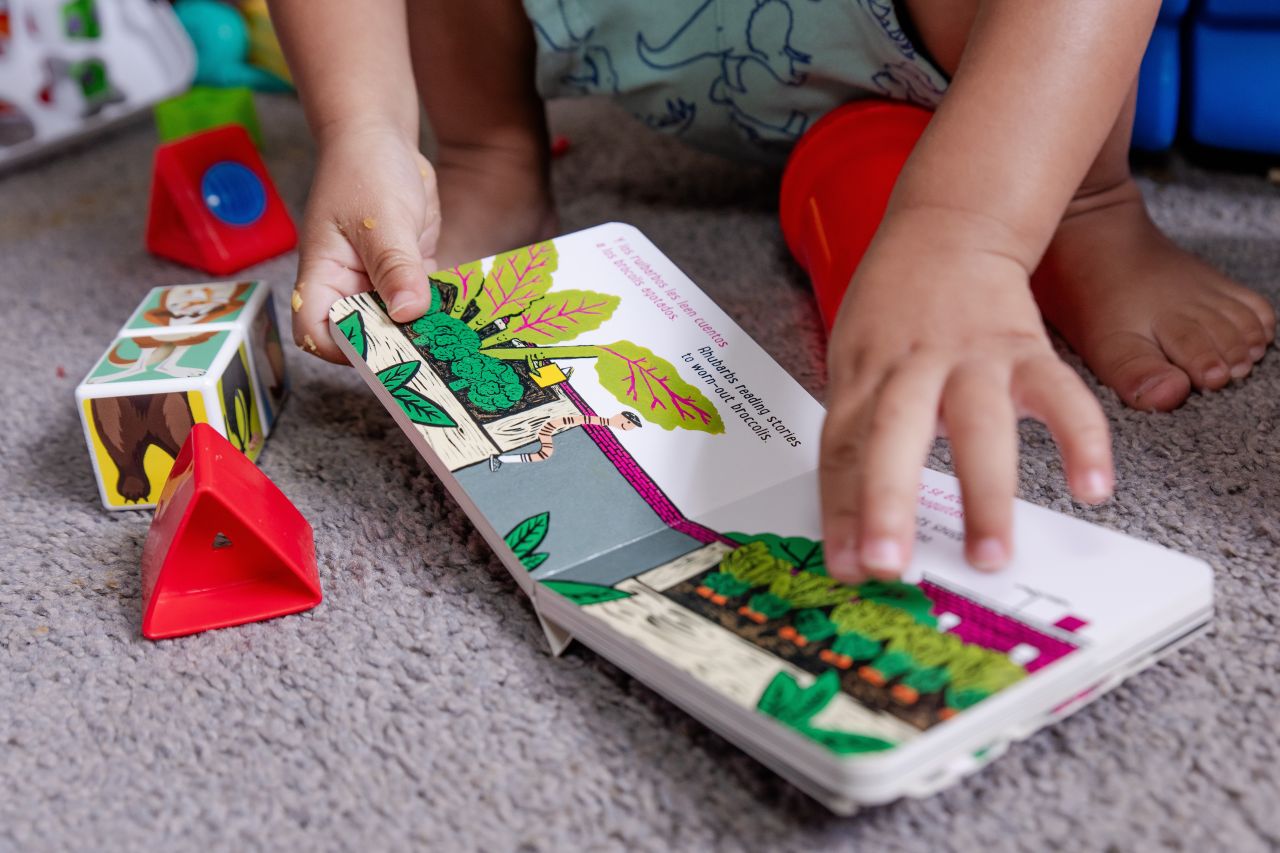
PA Promise for Children Releases May List of Books for Preschoolers

Pennsylvania Promise for Children has released its May list of recommended books for preschoolers that includes eight titles across four categories.

Learn More

The four categories in which PA Promise for Children has organized the books are: Language and Literacy Skills, Social and Emotional Development, Learning Through Play, Mathematical Thinking and Expression.

This month’s selections are:

Language and Literacy Skills

  • The Grumpy Morning (Pamela Duncan Edwards)
  • Harry the Dirty Dog (Gene Zion)

Social and Emotional Development

  • Mrs. McNosh Hangs Up Her Wash (Sarah Weeks) 
  • The Flea’s Sneeze (Karla Firehammer)

Learning Through Play 

  • Jesse Bear, What Will You Wear? (Nancy White Carlstrom)
  • Caps for Sale (Esphyr Slobodkina)

Mathematical Thinking and Expression

  • Spaghetti and Meatballs for All! (Marilyn Burns)
  • Cora Cooks Pancit (Dorina K. Lazo Gilmore)

To view the entire list, visit PA Promise for Children’s website.

News

Pitt Study Seeking Families to Discuss Referrals, Follow-Ups After NICU Discharge

The University of Pittsburgh’s Health and Rehabilitation Sciences is conducting a study that focuses on families’ experiences with referrals and developmental follow-up after discharge from the neonatal intensive care unit (NICU).

Learn More

The study – Understanding Early Intervention Access for Moderately Preterm Infants Following NICU Discharge –  is recruiting families in Pittsburgh and the surrounding areas who had an infant admitted to the NICU. 

Participation in the study involves a brief developmental assessment and a short survey. Compensation is provided for participants.

Those interested in participating must:

  • Have infants born between 32 to 36 weeks of gestation
  • Have an infant that has been discharged from the NICU
  • Be a primary caregiver who is 18 years or older and caring for the infant.

Some families may be invited for a follow-up interview after the developmental assessment and caregiver survey. The survey and interview each take about an hour to 90 minutes to complete.

For more information, call Nada Alshahwan, MS, OTR/L, at 412-383-7231 or email Naa105@pitt.edu

News

May 11, 2026

Orlando Bloom Featured on Thriving Kids Podcast on ADHD and Learning Disabilities

The latest Thriving Kids podcast explores how caregivers might view the future for children struggling with a learning disorder or ADHD. It includes the insight of a well-known actor who once struggled with such a situation.

Learn More

Dave Anderson, a senior psychologist and vice president of public engagement and education for the Child Mind Institute, joins actor Orlando Bloom on this week’s podcast to discuss the topic.

On the podcast, Bloom discusses growing up with dyslexia, including the challenges he faced paying attention and concentrating in school. He also talks about how he developed workarounds before many of today’s evidence-based supports existed.

The podcast discussion also focuses on how movement, mindfulness, good nutrition, and sleep can help children and adults manage attention and learning challenges.

To accompany the podcast, the Child Mind Institute provided several tips on how to support children with ADHD or learning disorders:

  • Get them moving – Research shows that even 30 minutes of physical activity a day can help children with ADHD focus better, whether it’s a run before school or a game of tag during recess.
  • Find their area of excellence – Every child has something they are good at and finding an activity that gives them a sense of mastery can improve their confidence and self-esteem.
  • Cover the basics first – Emphasize sleep, nutrition, and movement. If children aren’t sleeping well, getting regular exercise, or eating properly, it’s harder for them to focus and regulate emotions at school.
  • Try mindfulness – Mindfulness practices can help children become less reactive and more focused; even a few minutes a day of paying attention to breathing helps to build a skill they can use for the rest of their lives.
  • Help them understand their diagnosis – Children do better when they know that a learning difference isn’t a reflection of their intelligence. Help them to understand how their brain works and give them language to talk about their strengths and challenges.

To learn more, listen to the Thriving Kids podcast.

News

Child Mind Institute Resources Combat Feelings of Self-Hatred in Children

A child might occasionally say “I hate myself” when they have made a mistake or are struggling with or embarrassed by something. Caregivers might often write this off as an overreaction, but sometimes children actually mean it.

Learn More

The Child Mind Institute has shared some resources on how to combat patterns described by experts as self-hatred or self-loathing. This is a belief by children that they are flawed and fundamentally unworthy of love.

The feeling is not merely a response to something specific they did or a particular failure, but rather something they believe they are.

According to the Child Mind Institute, highly sensitive children can come to loathe themselves, believing that they are unlovable. Self-hatred is not a diagnosis, but instead a painful experience that can put children at high risk for suicide.

The institute’s resources examine how reassuring a child that they are valued and loved may not help them believe it and the kinds of treatment that can help them build a more positive view of themselves.

The resources also cover ways to help children who may not have developed full-blown self-hatred, but are easily upset by criticism or susceptible to negative-thinking traps. There are also resources that cover strategies for helping children to build self-confidence to enable them to rebound in a healthy way when they experience failure.

The resources include:

News

May 7, 2026

Trying Together Expands Professional Development Course Offerings in Southwestern PA

Trying Together will expand its professional development offerings to provide in-person learning opportunities in three Southwestern Pennsylvania areas.

Learn More

Over the course of the next year, Trying Together will offer courses in the following areas:

  • Westmoreland, Fayette, and Greene counties
  • Beaver, Butler, and Lawrence counties
  • Washington County

“We’ve always served the 10-county Southwestern PA region, but by nature of our location and the contract with ELRC Region 5, we have been more closely focused on Allegheny County programs and professional development,” said Casey Rich, Trying Together’s director of professional learning. “This next year, we plan to start changing that by bringing some of our most popular professional developments in person to host sites in our surrounding areas such as Youngwood, Connellsville, Beaver Falls, and Slippery Rock.”

The four new courses will include:

  • Everyday Interactions Matter
  • Overview of Developmentally Appropriate Practice for Children Birth-Age 5
  • Active Supervision for ECE Programs
  • Addressing Challenging Behaviors in the ECE Classroom

An additional course – Positive Guidance Strategies to Facilitate Social and Emotional Development – will be available in August in Westmoreland County.

Rich said that Allegheny County is rich with training resources, but providers living and working outside of the county tend to have a harder time finding opportunities for high-quality professional development (PD). 

“While virtual PD can be convenient, in-person training offers a personalized experience that often leads to better learning outcomes,” she said. “By coming out to these sites in person, we hope to build new relationships with child care providers and build their capacity for high-quality child care.”

A complete schedule for in-person courses offered outside Allegheny County is available on Trying Together’s website. All professional development courses – including virtual opportunities – are listed on Trying Together’s event calendar

Custom professional development can be requested for programs in these regions at any time, but should be requested at least eight weeks before the preferred start date. To see which courses are offered, view our course catalogue.

News

Eligible Children With Scholarship from Keystone Scholars Can Receive $25 Bonus

Allegheny County residents who have claimed a scholarship from Keystone Scholars for eligible children can receive an additional $25 bonus.

Learn More

The $25 Power Their Future bonus, which is provided by Neighborhood Allies, is available for county residents who have a scholarship from Keystone Scholars for children born between 2019 and 2025. 

To receive the bonus, caregivers must claim a Keystone Scholars account and enroll in Fund My Future PGH. Once enrolled, they can access their Keystone Scholars account and confirm their Fund My Future PGH raffle ticket number.

The bonus will go to anyone who is enrolled in Fund My Future PGH and claims the scholarship between May and July.

Keystone Scholars provides a $100 scholarship to all children born to Pennsylvania residents between 2019 and after. The scholarship can be used for a child’s post-high school training and education expenses. Those with eligible children can claim an account online.

Those with Keystone Scholars scholarships can claim the $25 bonus online.