Thriving Kids Podcast Episode Focuses on Helping Neurodivergent Children to Make Friends

News

September 7, 2026

Thriving Kids Podcast Episode Focuses on Helping Neurodivergent Children to Make Friends

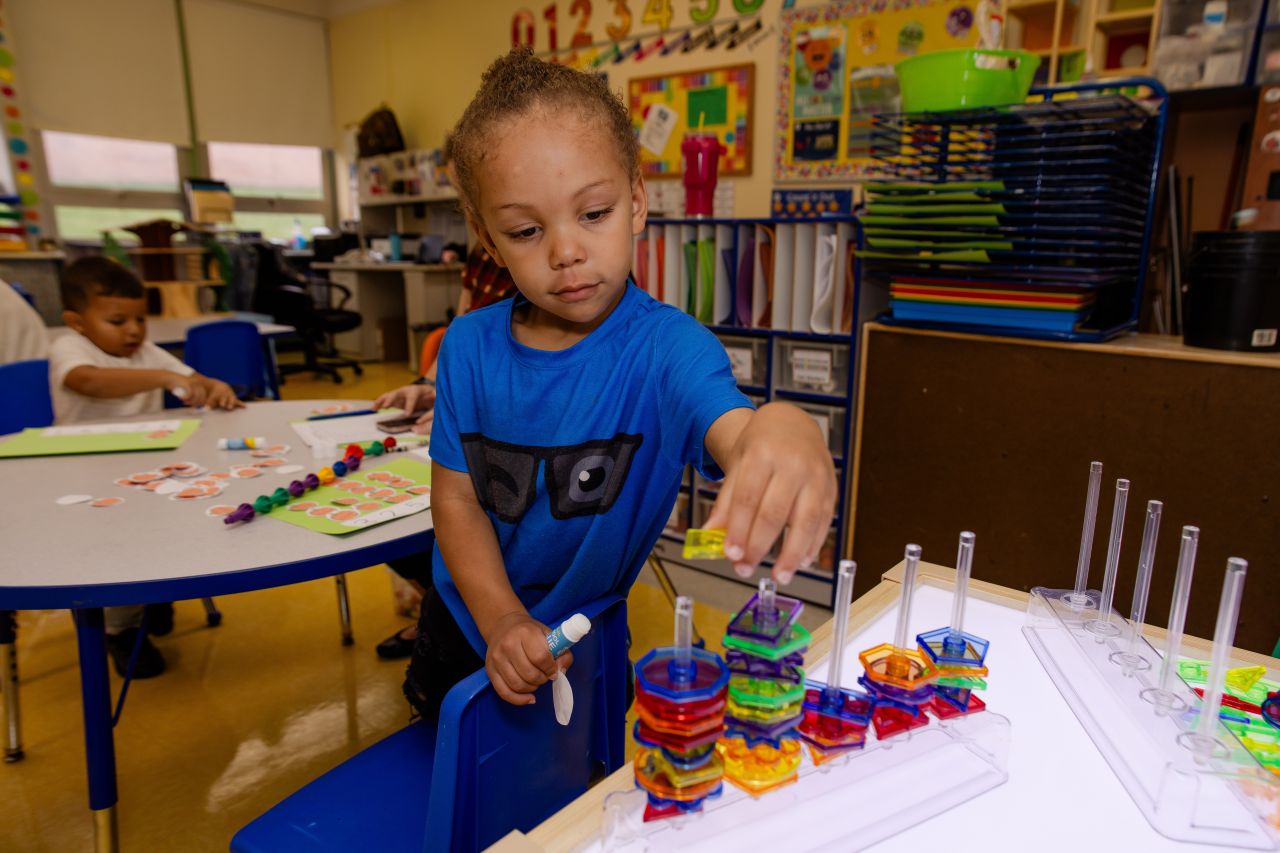
A new Thriving Kids podcast episode focuses on how to help neurodivergent children to build real friendships.

Learn More

In the episode, Dave Anderson, PhD, the Child Mind Institute’s senior psychologist and vice president of public engagement and education, speaks with Caroline Maguire, MEd, PCC, an ADHD and executive function coach and author of “Friendship Skills for Neurodivergent Adults,” on the topic.

Many children with ADHD, autism, or a learning disorder often think that to make friends, they must “mask” who they actually are. So, they study others, try to blend in, and hope it works. In the process, they conceal fidgeting, agree with opinions they don’t hold, or over-apologize for awkward moments. But, Maguire said, children who work hardest to hide their true selves are often lonely.

Maguire noted that this kind of masking doesn’t build authentic friendships. Instead, true connection comes from shared interests, a shared sense of humor, or shared experiences. Finding common ground is extremely difficult when a child buries the real version of themselves, she added.

If a child struggles to make or keep friends, Thriving Kids has provided a few ideas that caregivers can put to work:

  • Start with who they are, not who they are supposed to be: Children who feel they have to hide their real selves tend to feel shame, which makes connection harder. Let the child know the goal isn’t to become someone else – it is to find people who click with them as they already are.
  • Let their interests do the introducing: Shared interests are the fastest way to find your people. Look for structured, interest-based activities where a passion is the price of admission, whether it’s a robotics club, theater group, Dungeons & Dragons table, a sport, or an art class.
  • Treat social situations as training, not a test: Children don’t need to get it perfect – they need practice. Rehearsing tricky moments ahead of time (walking up to a group, starting a conversation, knowing how to say “no”), role play them at home, and try short “social scripts” for common exchanges. When something doesn’t work, do a calm post mortem together on what happened, which part was hard, and what to do next time.
  • Right-size the friendship before your child does: Many neurodivergent children get so excited about a promising connection that they instantly crown a new acquaintance their “best friend,” and then are crushed when the feeling isn’t returned with the same intensity. Gently teach them that there are stages to getting to know someone as well as different kinds of connections – f.e., the people you say hello to, acquaintances, new friends, and the rare close friend.
  • Honor introverted and anxious children: Being introverted isn’t a problem to fix. Quiet children make wonderful, loyal friends. Make sure they still get chances to connect on their own terms. Try hosting the first hangout at home where they are most comfortable and nudge them to stretch just a little past what feels easy, rather than all the way to the deep end.

To learn more, listen to the latest Thriving Kids podcast episode.

Pennsylvania PD Registry Announces Update to Designation System

News

September 2, 2026

Pennsylvania PD Registry Announces Update to Designation System

Pennsylvania’s professional development registry will be updated beginning Monday, September 14 so that a program’s valid-through date reflects the date when its next annual renewal is due.

This means that the valid-through date will move from three years in the future to one year in the future.

What’s Not Changing?

However, other elements of the PD Registry Designation System will not change, including:

  • A Keystone STARS designation will remain valid for three years.
  • Programs will continue to maintain their STAR designation as long as they complete annual renewals and meet all other eligibility requirements.

No action is necessary at this time, and programs should continue to follow their current renewal schedule. 

Additional improvements to the designation system will be introduced in January and more information will be available when they get closer to implementation. Questions can be directed to registry@pakeys.org. 

APOST Releases Fall Professional Development Offerings

News

APOST Releases Fall Professional Development Offerings

Allegheny Partners for Out-of-School Time (APOST) has released its schedule of professional development opportunities for the fall. Courses cover everything from promoting leadership to reframing conflict.

Learn More

All workshops take approximately two-and-a-half to three hours and locations vary. Participants are expected to attend the entirety of the workshop to receive a certificate of completion, which will be delivered via email after the event.

Registration is required for each workshop and closes two days prior to each event or when the session is full. Workshops are limited to 15 to 20 participants, depending on the topic. If an event reaches capacity, there will be a waiting list, whereas Weikart Workshops could be cancelled in the event of low registration.

APOST’s fall professional development workshops include:

For more information, visit APOST’s website.

IECMH Shares Resources on How Technology Can Support Children’s Growth

News

September 1, 2026

IECMH Shares Resources on How Technology Can Support Children’s Growth

The Infant Early Childhood Mental Health Consultation (IECMH) program discusses the importance of unplugging from technology and artificial intelligence (AI) in its latest Bright Kids Bright Future newsletter.

But it also discusses how technology can be used in positive ways to support children’s growth while balancing its use with play, real-world learning, and high-quality interactions.

Learn More

In the newsletter, the IECMH discusses how technology is evolving quickly – including the use of AI – and how children are naturally curious about these tools.

The program provides guidance for early childhood educators on how to use technology in early education settings and has shared a toolkit that helps educators to build knowledge about screens, media habits, and digital wellness in early childhood. There is also a discussion on the benefits and risks of screen time for neurodivergent children and another on how adults should guide preschoolers’ understanding of AI.

One section in the IECMH newsletter focuses on the importance of unplugging from technology and how this can strengthen relationships between children and caregivers. The resources in this section include:

PA Promise for Children Provides 5 Promises Caregivers Can Make to Their Incoming Kindergartner

News

PA Promise for Children Provides 5 Promises Caregivers Can Make to Their Incoming Kindergartner

PA Promise for Children has released a list of five promises that caregivers can make to their incoming kindergartner to help ensure success in school.

Learn More

The list, which was included in PA Promise for Children’s latest Kindergarten Here I Come newsletter, covers everything from nutrition and hygiene to routines and reading.

The five promises on the list include:

  • I promise to make sure my child has a healthy, nutritious breakfast before school every day. This will give my child energy to stay focused and learn.
  • I promise to teach my child to practice good hygiene (like brushing teeth, bathing, wearing clean clothes). This will help my child feel better about him or herself.
  • I promise to teach my child good habits (like washing hands, covering nose and mouth to sneeze, closed mouth when chewing). This will help keep my child healthy and prevent spreading germs.
  • I promise to create a bedtime routine, making sure my child gets at least 10-12 hours of sleep each night. This will help my child be well rested and ready to learn.
  • I promise to read with my child every day. This will help my child recognize words and gives me quality time with my child.

More Resources

PA Key’s August Health Trend is Food Poisoning in the Wake of Cyclosporiasis Outbreak

News

August 31, 2026

PA Key’s August Health Trend is Food Poisoning in the Wake of Cyclosporiasis Outbreak

With foodborne illnesses such as the cyclosporiasis outbreak affecting Americans this summer, The Pennsylvania Key’s August health trend is preventing food poisoning.

Learn More

Food Safety Matters: Preventing Food Poisoning discusses how, each year, roughly 48 million – or one in six Americans (16.7%) gets food poisoning after eating contaminated food.

Foodborne illnesses occur when viruses, bacteria, parasites, or toxins (poisons) produced by them get into the foods we get. Some examples include cyclospora, listeria, salmonella, STEC, vibrio, shigella and yersinia.

Anyone can get food poisoning, but children are more likely to be affected and typically have a more serious illness, the PA Key wrote. 

Children under age 5 are at increased risk for food poisoning because their immune systems are still developing, so their body’s ability to fight germs and sickness isn’t as strong. Food poisoning can be particularly dangerous for them because illness can lead to diarrhea and dehydration. 

Some resources on the topic include:

August Recalls on Children’s Products

News

August Recalls on Children’s Products

Parents and caregivers should be aware of several child-related products recalls.

Learn More

Below is a list of August recalls collected from the following federal agencies: the Consumer Product Safety Commission, the Food and Drug Administration, and the National Highway Traffic Safety Administration. 

  • Magnetic fidget sliders sold on Amazon by PIXLABBY are being recalled because the sliders can liberate loose high-powered magnets, posing an ingestion hazard to children. When high-powered magnets are swallowed, they can attract each other or other metal objects and become lodged in the digestive system. This can result in perforations, twisting, or blockage of the intestines, blood poisoning, and death.
  • A2batt recalled its EEMB lithium coin battery chargers because they have lithium coin batteries that can be easily accessed by children. The batteries provided with the battery charger are not in child-resistant packaging, which does not have warnings required by law. When button cell or coin batteries are swallowed, they can cause serious injuries, internal chemical burns, and death. 
  • Wnttmt recalled its baby walkers because they can fit through a standard doorway and fail to stop at the edge of a step, posing a deadly fall hazard. Additionally, the walkers have leg openings that allow the child to slip down until its head can become entrapped, posing a serious risk of injury or death.
  • Syera recalled its LED projecting finger light toys because they contain button cell batteries that can be easily accessed by children. When button cell or coin batteries are swallowed, they can cause serious injuries, internal chemical burns, and death. 
  • Winston Porter and Seeday recalled three-drawer, four-drawer, and five-drawer dressers because they are unstable if not anchored to the wall, posing tip-over and entrapment hazards that can cause serious injuries or death to children.
  • Play yard and crib mattresses sold on Amazon by Voomft were recalled because the mattresses may not adequately fit certain play yards, posing a deadly entrapment hazard. Babies can suffocate in gaps between an undersized mattress, or extra padding, and side walls of a product, especially when the infant’s face becomes trapped against the side and the mattress, preventing the infant from breathing. The crib mattresses also violate mandatory flammability standards.
  • Fitueyes recalled its Laziza dressers because they are unstable if not anchored to the wall, posing tip-over and entrapment hazards that can result in serious injuries or death to children.
  • Magnetic fidget sliders sold on Amazon by BUSOHA were recalled because the sliders can liberate loose high-powered magnets, posing an ingestion hazard to children. When high-powered magnets are swallowed, they can attract each other or other metal objects and become lodged in the digestive system. This can result in perforations, twisting, or blockage of the intestines, blood poisoning, and death.
  • Little Rawr recalled its pull-string teething toys because the silicone strings are smaller and longer than permitted. The strings can reach the back of children’s throats and become lodged, posing a serious risk of respiratory distress and a deadly choking hazard.
  • KC Imports and Exports recalled its mini-laser pointer keychains because the button cell batteries can be accessed easily by children, posing an ingestion hazard. When button cell or coin batteries are swallowed, they can cause serious injuries, internal chemical burns, and death.
  • OKK Trading recalled its Easter LED headbands because the lithium coin batteries can be accessed easily by children, posing an ingestion hazard. When button cell or coin batteries are swallowed, they can cause serious injuries, internal chemical burns, and death.
  • DUMOS recalled its nine-drawer dressers because they pose tip-over and entrapment hazards if they are not anchored to the wall, possibly resulting in serious injuries or death to children.
  • Cubershop recalled its magnetic speed cubes because the cubes were packaged with loose high-powered magnets, posing an ingestion hazard to children. When high-powered magnets are swallowed, they can attract each other or other metal objects and become lodged in the digestive system. This can result in perforations, twisting, or blockage of the intestines, blood poisoning, and death.
  • Fastbuy recalled its Zimtown portable gas and fuel cans because they violate the requirement for closures under the Children’s Gasoline Burn Prevention Act. The closure is not child-resistant, posing a risk of burns and poisoning.
  • TooyBing recalled its wooden bead stacking toys that violate a small parts ban because they are intended for children, ages 3 and below. The toys’ wooden beads pose a deadly choking hazard.
  • Shengsen recalled its prank sound makers because they violate mandatory standards for consumer products with button cell and coin batteries. The lithium coin batteries can be accessed easily by children, posing an ingestion hazard. The packaging and product do not have warnings required by law. When button cell or coin batteries are swallowed, they can cause serious injuries, internal chemical burns, and death.
  • Yamazuki recalled its youth all-terrain vehicles (ATVs) because the parking brakes fail to hold and the ATV’s speed limiting device is not set to the restricted speed required for children, ages 6 and older, posing a crash hazard. Additionally, the ATVs are missing the required rear safety reflectors, reducing visibility of the ATV to other vehicles.
  • Goody King recalled its magnetic building cubes and blocks because they contain magnets that can become loose if the cubes break or open, posing a magnetic ingestion hazard to children. When high-powered magnets are swallowed, they can attract each other or other metal objects and become lodged in the digestive system. This can result in perforations, twisting, or blockage of the intestines, blood poisoning, and death.
  • Taleco Gear recalled its baby jumpers, baby swings, and 2-in-1 baby jumper and swings because the two items can become unstable, posing fall and impact hazards. Also, the hanging restraint straps and seat openings can pose strangulation hazards.
  • Deli recalled jerry fuel containers because they violate the requirement for closures. The closures are not child-resistant, posing a risk of burns and poisoning to children. 
  • JINHEZO recalled its mini-waterproof LED tea lights because their button cell batteries can be easily accessed by children, posing an ingestion hazard. The packaging and product also do not have warnings required by law. When button cell or coin batteries are swallowed, they can cause serious injuries, internal chemical burns, and death.

Measles a Growing Concern as Number of Cases Rises

News

August 26, 2026

Measles a Growing Concern as Number of Cases Rises

As the number of measles cases continues to rise in Pennsylvania, state and county health departments have provided guidelines for families to stay safe amid the outbreak.

What to Know About Measles

  • Measles is a highly contagious virus that infects the lungs and spreads when an infected person breaths, coughs, or sneezes. The virus remains in the air and on surfaces for up to two hours, even after the infected person leaves the area.
  • Symptoms to watch for include fever, cough, runny nose, and red, watery eyes followed by a rash that starts on the head or face and spreads downward. 
  • Symptoms can start seven to 21 days after exposure. An individual with measles can spread the virus to others four days before and four days after the rash begins.

Cases on the Rise

The number of measles cases continues to rise in Pennsylvania as 70 people have been hospitalized statewide, with two deaths in Lancaster County. Allegheny County reported a positive case at UPMC Children’s Hospital Emergency Department in Pittsburgh

No additional details can be provided about the Allegheny County case for privacy reasons. UPMC will call patients who have been identified as exposed on the two days when the patient was at the hospital.

How to Prevent Measles

Measles is a preventable disease, but vaccination is on the decline and cases have risen to the highest level in 35 years. Individuals who are not vaccinated are most at-risk for infection, state and county health departments said. 

The Measles, Mumps, Rubella (MMR) vaccine is given to toddlers when they are 12 to 15 months, and a second MMR vaccine is required for all Pennsylvania school children.

The state’s Department of Health (DOH) advises that Pennsylvanians should follow immunization recommendations issued by the American Academy of Pediatrics, American Academy of Family Physicians, and American College of Obstetricians and Gynecologists, which include MMR, hepatitis, polio, and whooping cough.

The Pennsylvania  DOH recently said that it planned on sticking to its original childhood vaccine schedule, despite a federal executive order recommending alterations, and that school entry requirements would remain the same.

What To Do If Your Child is Exposed to Measles

Caregivers who are concerned that their child might have been exposed to measles should take the following steps:

  • Do not go directly to a healthcare facility without calling ahead first.
  • Check the child’s vaccination status.
  • Residents in Allegheny County who are concerned about a potential exposure should call the Allegheny County Health Department at 412-578-8062.
  • Pennsylvanians in other areas who believe their child might have been exposed can call 877-724-3258.

Resources for September Observances

News

Resources for September Observances

Various organizations, states, and nations recognize a number of observances each month. Resources help parents, caregivers, and child care professionals acknowledge and navigate them.

Here is a list of resources for September observances.

Month-Long Observances

Attendance Awareness Month

Baby Safety Month

Childhood Cancer Awareness 

Hispanic Heritage Month

National Childhood Obesity Awareness Month

National Recovery Month

Newborn Screening Awareness Month

Weeks of Recognition

September 20 – 26 is Child Passenger Safety Awareness Week 

Days of Recognition

September 6 is National Read a Book Day

September 28 is National Family Day

Homewood Families Receive Backpacks, Resources at Family Center Open House

News

Homewood Families Receive Backpacks, Resources at Family Center Open House

More than 100 people turned out for the Homewood Early Learning Hub & Family Center’s August 21 open house, where families received backpacks, supplies, and important resources to support their children’s growth and development.

Emphasizing the Importance of Early Learning

The open house was especially important because families learned about pre-k and Head Start options, said Toni Beasley, the Hub’s director.

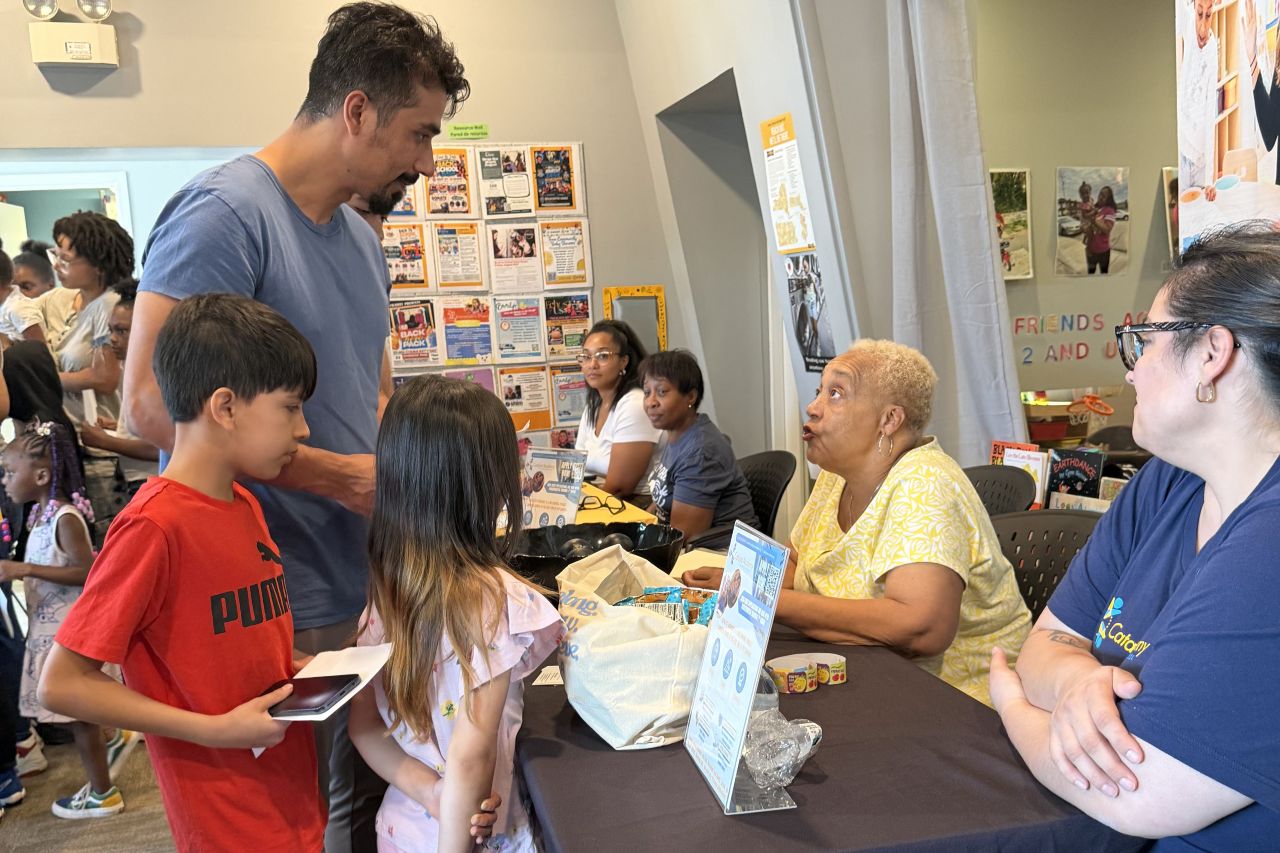
“Many families in our area aren’t familiar with pre-k and the importance of sending their child to school before kindergarten,” Beasley said. “We let caregivers know that by sending their child to pre-k or Head Start, they are giving their child the best opportunity to develop important skills and prepare for kindergarten”

Educators and child care providers attended the event to meet with families and help enroll  children in early learning programs. They also provided information about free pre-k options in the region and other ways to afford child care. 

Supporting Families

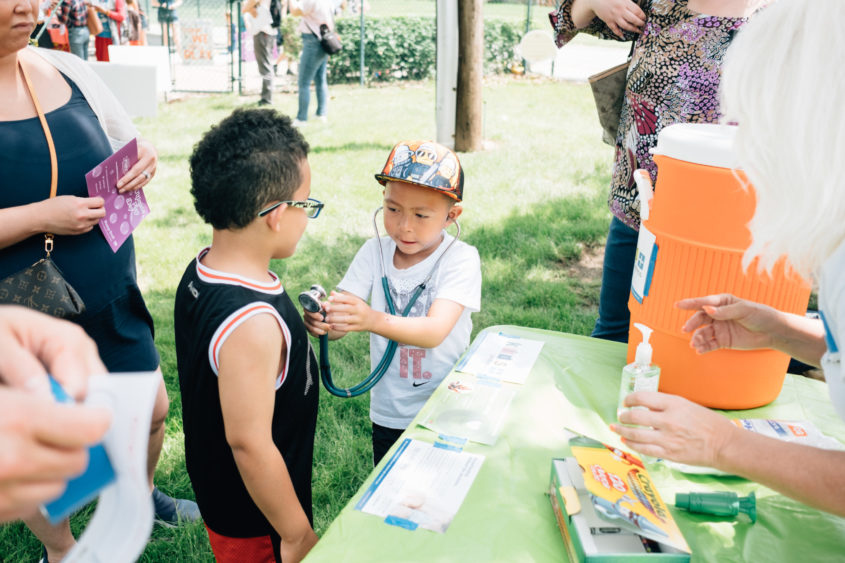
Attendees received a variety of materials at the open house, including backpacks, swag bags, coats, a variety of snacks and drinks, and personal hygiene products, such as soap, body wash, deodorant, toothbrushes, socks, and laundry detergent. They also took part in children’s activities and free blood pressure screenings.

“It wasn’t just school supplies,” Beasley said. “Children received hygiene supplies, clothing, and other items so they can start the school year feeling comfortable, confident, and with a sense of belonging.”

The Hub partnered with several organizations for the event. Beverly’s PGH Basics Boutique operated a truck, where participants could pick up everything from bedding and clothing to cleaning supplies, books, and toys. Students from the University of Pittsburgh School of Medicine’s Community Alliance Program held a discussion on postpartum care.

The Homewood Early Learning Hub & Family Center, located at 7219 Kelly Street, supports the early learning needs of children, families, and early educators in Homewood. It offers developmentally appropriate activities for children from birth to age 9, individual and group support for parents to set and meet goals for their family, and professional growth opportunities for providers.