Healthy Eating Guides
Do you want to learn how to promote good nutrition and healthy eating at home? Check out the following healthy eating guides and more from Nationwide Children’s Hospital!
What topics are covered?
The guides include information on food groups, portion sizes, how to read food labels to better understand ingredients, how to save money at the store, and tips for shopping in your local grocery store. All resources are available in English and Spanish. To get started, check out the following resources:
View More Resources
To view the full list, visit the Nationwide Children’s Hospital website! For other healthy eating tools, read our news post about MyPlate. For extra fun, try Grocery Store Bingo!
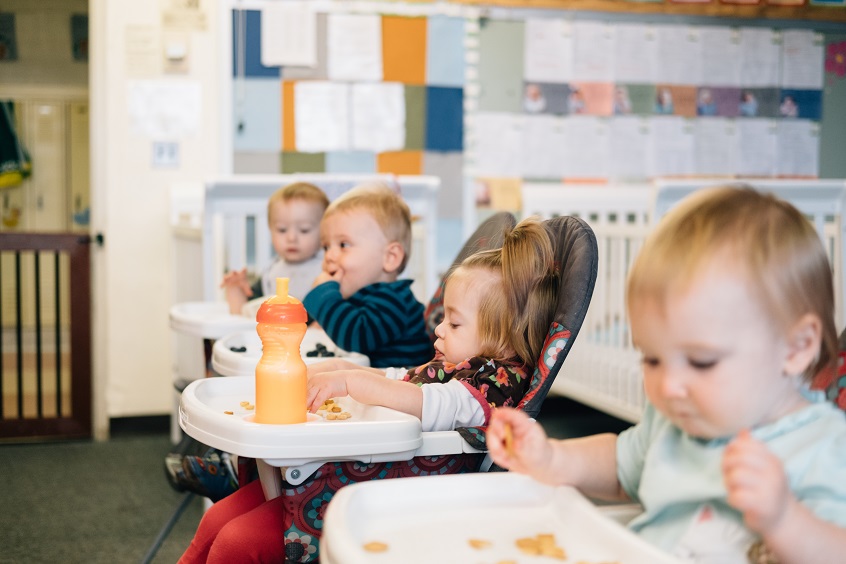
Play helps to build social-emotional skills.
When children practice social-emotional skills, they gain access to a toolkit of strategies that help them build and maintain relationships; recognize, cope with, and express their emotions; collaborate effectively with others; and more. To encourage the social-emotional development of your young child, add opportunities for art and creative expression into your daily routines!
Activity Lists
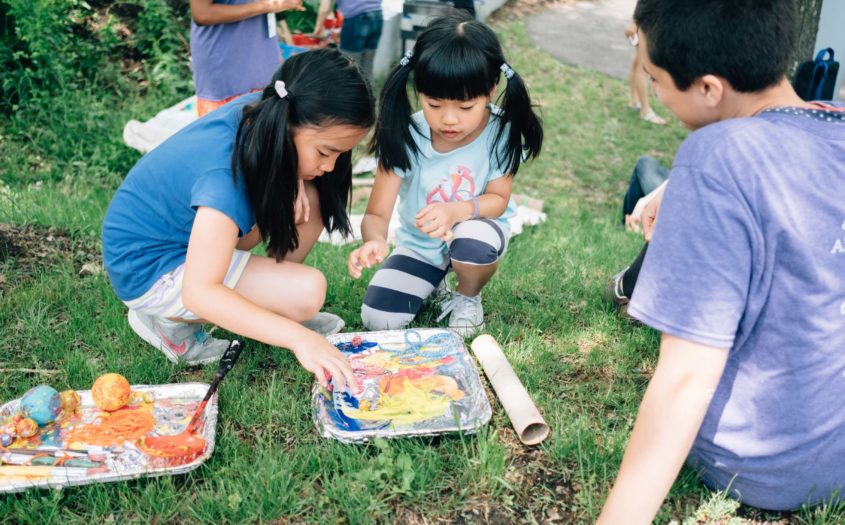
Children naturally explore and practice social-emotional skills during play, and creative art activities are a great way to introduce your child to new topics in a non-threatening, playful way. In addition to exploring social-emotional skills, creative art activities also provide children with opportunities to build their confidence, problem solve, explore their creativity, and more!
For activity ideas to get you started, view the resource lists below!
Hands-On Activities
Online Games and Resources
About
According to the Greater Good Science Center at Berkeley University of California, mindfulness is the practice of “maintaining a moment-by-moment awareness of your thoughts, feelings, bodily sensations, and the surrounding environment through a gentle, nurturing lens.”
When practiced, mindfulness techniques can relieve stress, decrease blood pressure, and regulate your breathing. Mindfulness techniques also provide opportunities for children and adults to practice self-control, compassion, kindness, and emotional regulation.
Mindfulness Guide
To help families learn about mindfulness, the New York Times created an online guide for families. The guide explains mindfulness and provides strategies for infants, toddlers, young children, older children, and teenagers. Additional resources are also provided. To learn more, view the guide!
Additional Resources
To learn more about mindfulness, view the resources listed below:
Respecting your child’s boundaries matters.
Every person has their own preferences when it comes to physical touch, and that includes young children. While touch is a fundamental need for babies and toddlers, it is important to teach children that they are allowed to set boundaries and have the self-confidence to stick to them. This helps them advocate for themselves and plays an important role in teaching them how to identify and get away from inappropriate or dangerous interactions with adults or others.
Your child may not be comfortable hugging a person they do not know (even if that person is a family member), or they may have moments where they do not want to be tickled or touched. While it can be difficult to hear your child say that they do not want to hug or touch at that time, caregivers should not assume that a child is comfortable with an interaction or demand that they participate in that interaction. By asking for consent, caregivers help their children identify and vocalize their boundaries. These skills not only help them in the present moment but also benefit them long-term.
Resources
If you are interested in learning more about the benefits of teaching your child about boundaries and strategies to support, check out the following resources:
About
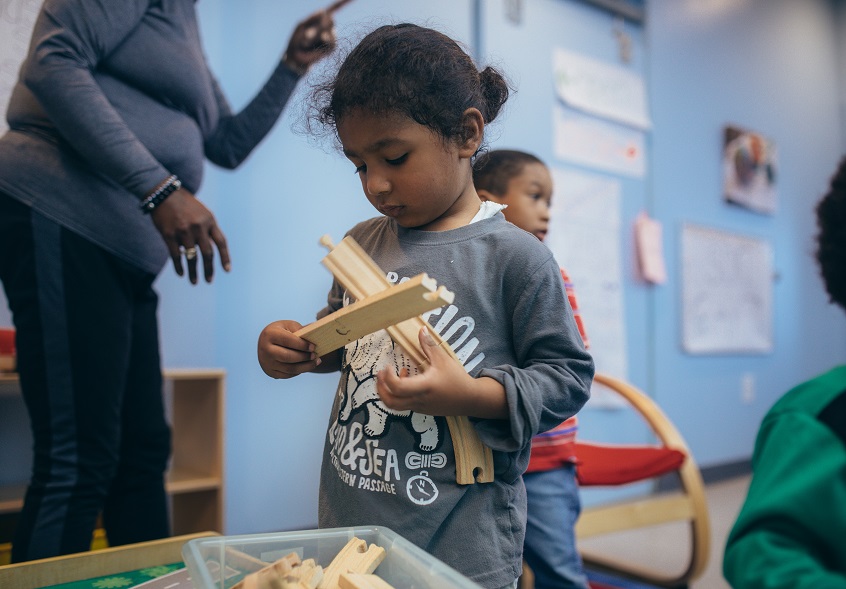
Inspired by the legacy and work of Fred Rogers, the Fred Rogers Center created free, downloadable Child Wellness Brochures to support children and caregivers on a variety of topics related to child wellness. As Fred Rogers said, “Even in hard times such as this, you are just what your child needs.”
View the Guides
The Fred Rogers Center’s Child Wellness Brochures provide information and resources on the following topics: Grief, Addiction, Cancer, and Divorce & Separation. Hard copies are also available to order. To order copies, contact info@fredrogerscenter.org.
More Information
For more information, visit the Fred Rogers Center website.
Parenting support is available.
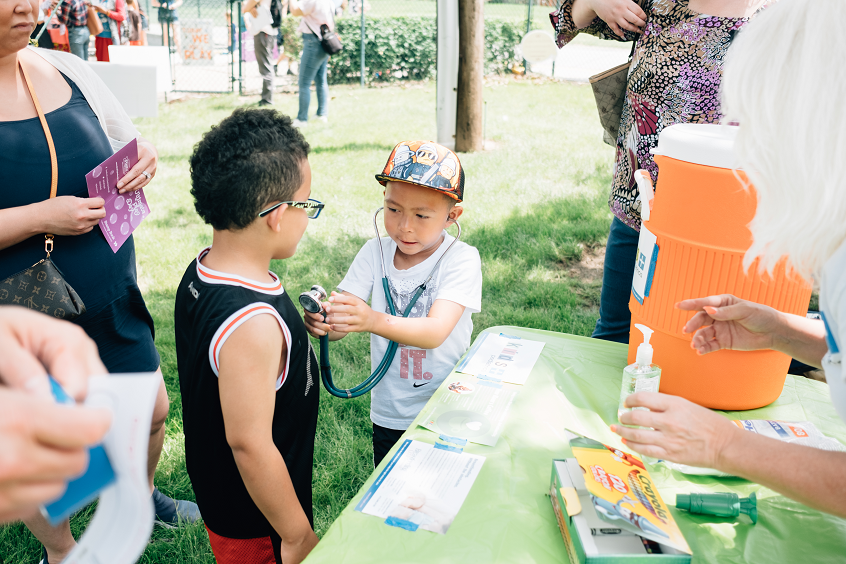
Are you the parent or caregiver of a young child? Are you looking for parenting support? The Family Resources of Pennsylvania Parenting Warmline is here to help.
About
The Family Resources of Pennsylvania Parenting Warmline is a free, confidential hotline for parents and caregivers with non-medical parenting concerns and questions. The Parenting Warmline is also able to provide referrals.
The hotline is available Monday through Friday, 9 a.m. to 9 p.m., and from 1 to 5 p.m. on Saturdays and Sundays. Individuals who wish to call outside of those hours can leave a confidential voicemail message. A trained counselor will return the call as soon as possible.
Contact the Warmline
-
- Main Number: 412.641.4546
-
- If you live in Allegheny County, call 1.877.927.6596.
-
- If you live outside of Allegheny County, call 1.800.641.4546.
Learn More
Family Resources of Pennsylvania provides a range of prevention, intervention, treatment, and counseling services. For more information, visit their website.
Self-Care Matters
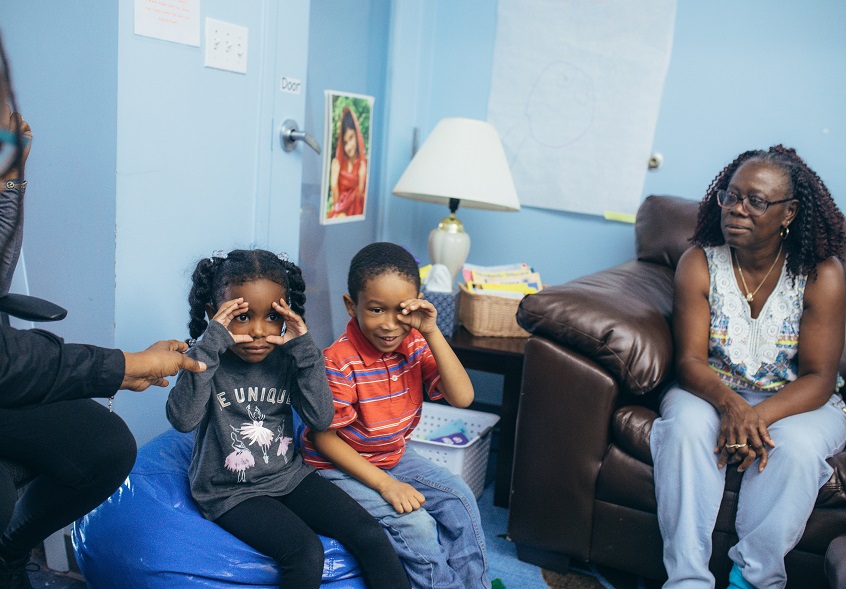
The COVID-19 pandemic has been challenging for children and adults alike. While it can seem impossible to juggle both your needs and your family’s everyday needs, make sure to prioritize your well-being as a parent or caregiver. This will not only benefit your health and wellbeing but will also benefit your family.
About
To help families identify ways to prioritize self-care, Child Mind Institute created the resource, “Self-Care in the Time of Coronavirus.” The resource explores strategies families can incorporate, including setting boundaries, prioritizing healthy choices, reconnecting with things you enjoy, and more.
Self-Care Resources
For information on how to prioritize self-care, view the full article by Child Mind Institute and check out the following resources:

Support your child’s development.
Social-emotional skills play an important role in the lives of parents, caregivers, and children. If you are interested in learning about social-emotional development, activities, tools, and more, check out our list of resources below.
Social-Emotional Development
Self-Esteem and Confidence
Challenging Emotions and Behaviors
Family Guides and Tip Sheets
Activities for Children
Self Care
Support Services
-
- Jeremiah’s Place
Jeremiah’s Place provides a safe haven of respite, health, renewal, and support for children and families during times of crisis. Services are provided for free and are available 24 hours a day, seven days a week.
-
- Family Resources of Pennsylvania Parenting Warmline
This is a free, confidential hotline for parents and caregivers with non-medical parenting concerns and questions. Their main number is 412.641.4546, or you can email help@familyresources.org to access support. If you live in Allegheny County, call 1.877.927.6596. If you live outside of Allegheny County, call 1.800.641.4546.
-
- PA 2.1.1 Southwest (Call 2.1.1 or text your zip code to 898.211.)
PA 2.1.1. Southwest provides access to an extensive list of resources for families in Southwestern Pennsylvania. Specialists can provide referrals to human needs resources, physical and mental health resources, child care programs, and more.
-
-
-
- SAMHSA National Helpline (1.800.662.4357)
This is a free, confidential information service for individuals and family members facing mental and/or substance use disorders. This service provides referrals to local treatment facilities, support groups, and community-based organizations.
-
-
-
-
-
Developmental Concerns
Early Intervention
COVID-19
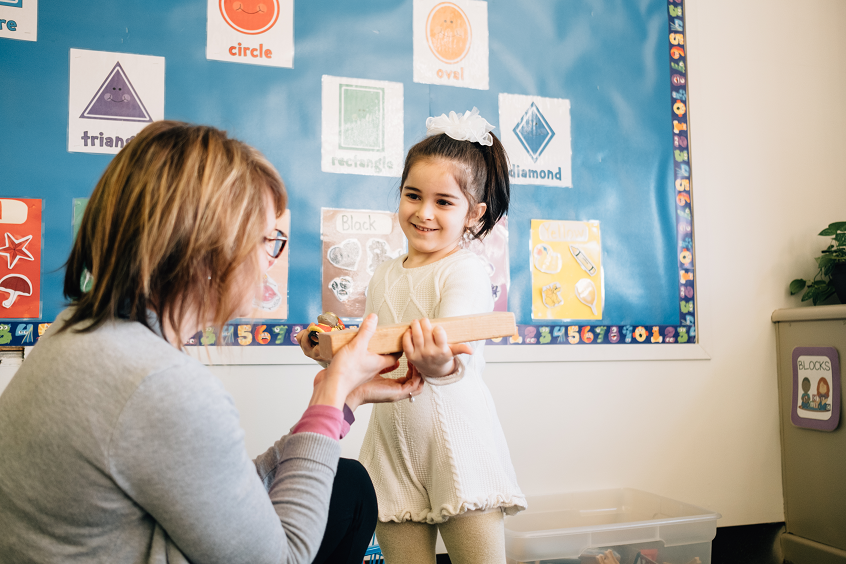
This easy-to-carry, compact booklet provides step-by-step instructions to handle common emergencies for babysitters such as bee stings and asthma attacks.
About
It’s important for children to be safe, no matter who is taking care of them. The American Red Cross’ Emergency Reference Guide for Babysitters outlines steps babysitters can take for common injuries and emergency situations such as choking, poisoning or sudden illnesses. Download it now.
Safe sleep practices to follow for your children.
Infants and Babies
Because babies spend much of their time sleeping, the nursery – or their sleeping environment – should be the safest area in the house.
According to the Centers for Disease Control and Prevention (CDC), there are about 3,500 sudden unexpected infant deaths (SUID) in the United States. These deaths occur among infants younger than one. Two main causes include sudden infant death syndrome (SIDS) and accidental strangulation or suffocation in bed.
SIDS is the unexplained death, usually during sleep, of a seemingly healthy baby less than a year old. Though the exact cause of SIDs is unknown, research shows parents and caregivers can help reduce its risk and that of other sleep-related deaths.
If you just had a baby, are expecting, or are taking care of a young infant it’s important to implementing safe sleep practices including:
- Placing a baby on its back to sleep – Infants should be placed for sleep on their back for every sleep by every caregiver until the child reaches one year of age. Side and stomach sleeping is not safe and is not advised. Infants should never be left to sleep on sofas, armchairs, or in sitting devices.
- Removing suffocation hazards – A firm mattress and fitted sheet are all you need for your baby’s crib. Remove soft bedding, blankets, pillows, toys, crib bumper pads, pacifier clips, or any other items that could obstruct infant breathing or cause overheating should be in the bed.
- Avoiding bed sharing – Infants should sleep in the parents’ room, close to the parents’ bed but on a separate surface (room sharing). The infant’s crib, portable crib, play yard or bassinet should be placed in the parent’s bedroom for at least 6 months but preferably a year. The Consumer Product Safety Commission (CPSC) offers safety standards for bedside sleepers. There are no safety standards for in-bed sleepers.
Toddlers and Young Children
The move from a crib to a bed doesn’t come at the same time for everyone. If a child is comfortable in a crib, there’s no need for a move, but some children are ready sooner than others. Here are some safety considerations to make before your child graduates from a crib to a toddler bed or kid-sized bed:
- Does your child climb out of the crib? Ideally, babies would remain in their cribs closer to pre-k age, but the switch should happen before a child begins to climb out of the crib and possibly hurt themselves. Most toddlers have the ability to climb out of a crib when they are 35 inches tall. Keep the crib mattress on the lowest setting to make it harder to climb out.
- Is the bed safety certified? Keep it low to the ground and make sure it comes equipped with guardrails to keep your child from falling out. Check for a sticker from the Juvenile Products Manufacturers Association (JPMA) on the bed and any portable rails you purchase.
- Remove all hazards from the child’s room and the rest of the home. Once the crib bars are removed, your child is no longer confined to a small space. They’re given a newfound freedom to explore their bedroom – and the whole house, for that matter.
- A big kid bed should be positioned in the center of the room, if possible, or at least a few feet away from a wall. Even at this older age, there is still a risk of suffocation if they become trapped between the wall and the bed.
- Ensure that window blind cords or electronics cords like baby monitors, which can be strangulation hazards, are out of reach. Watch for items that your toddler might be able to pull into bed, like picture frames, lamps, etc.
- Secure the stairs with gates at the top and bottom, bolt bookshelves and televisions to the wall, and put safety latches on dresser drawers so they can’t pull them out and use them to climb.
- Consider using a monitor or attach bells to the door so you know when your child leaves the bedroom.