News

June 15, 2020

Mister Rogers’ Neighborhood: The Songs

About

Through his songs, Fred Rogers translated the concepts of child development into musical messages in a language that children could understand. Some songs celebrate good feelings. Some are calming. Others are for times when children are struggling with a particular issue like jealousy or persistence or being apart from a loved one.

View the List

To listen, access the full song list on the Mister Rogers’ Neighborhood website.


News

Power of Play: Building Skills and Having Fun, Zero to Three

About

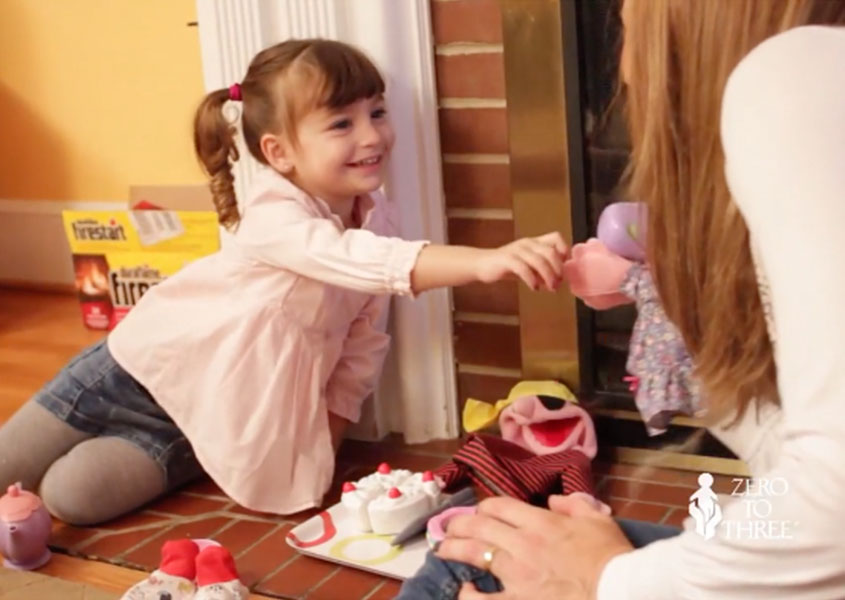
Children are eager and determined to understand how the world works. But did you know that play is how children learn to communicate, problem-solve, test ideas, and get along with others? In their video “Power of Play: Building Skills and Having Fun,” Zero to Three highlights the importance of play and opportunities to nurture your baby’s development.

View the Video

To learn more, view the video on the Zero to Three website.


News

May 29, 2020

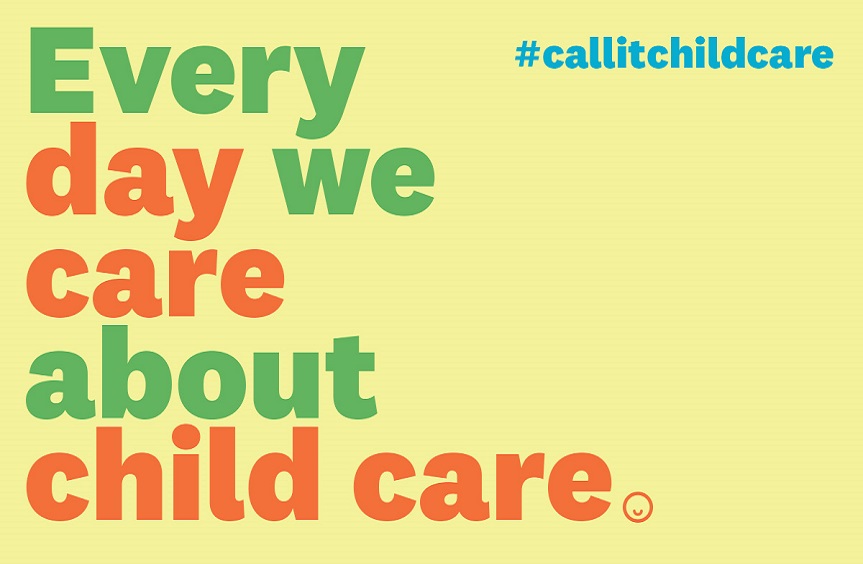
Call It Child Care

Child care supports children’s healthy development and a lifetime of learning.

That’s why we call it child care.

In June 2018, the Pennsylvania state legislature passed House Bill 1677 to update Pennsylvania’s regulations and code to use the term “child care” rather than “day care” to reflect the work of early learning programs more accurately.

Trying Together worked closely with the bill’s prime sponsor, Representative Jason Ortitay, who represents Allegheny and Washington counties. Thanks to advocates like you, and Rep. Ortitay’s persistence, HB 1677 passed and was signed by the Governor.

Why Call It Child Care?

Trying Together recognizes that shifting commonly used language can be difficult. However, by using the term “child care” instead of “day care,” you recognize that:

1. The impact of child care is much longer than a day.

    • Early childhood programs support lifelong success for children and families. Research has shown that high-quality child care builds a strong foundation from which children grow and thrive.
    • By having access to early care and education programming, families experience multi-generational benefits, with young children achieving higher test scores and graduation rates, committing fewer crimes, and earning higher wages, to name a few.
    • Caregivers are able to reenter the workforce, increasing the financial stability of the family and the long-term professional success of the caregiver.

2. The words we use matter.

    • The words we use affect the public’s perception of the early care and education field and affect the field’s own accountability in providing high-quality care.
    • Using “child care” rather than “day care” recognizes the important work of these professionals, in addition to the work children put in to learn, develop, and grow.
    • Accurate language is critical to gaining respect, validation, and investments in currently under-resourced systems.

3. “Child care” acknowledges the complexity of high-quality early care and education programs.

    • High-quality child care programs employ, develop, and retain educated credentialed staff.
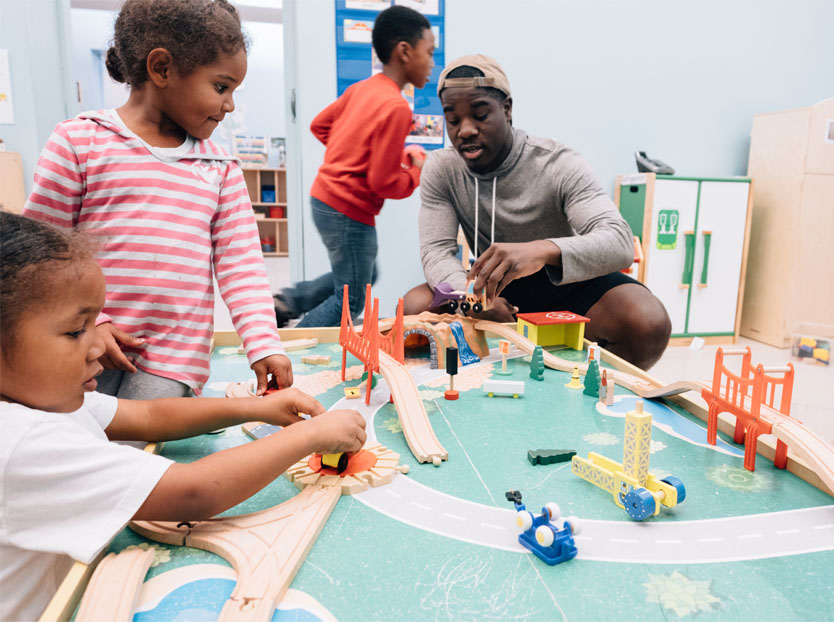
    • Child care professionals use a curriculum, lesson plans, and family engagement activities to promote the cognitive, social, emotional, and physical development of the children they serve.

How You Can Help

Please join us in the coming months as an advocate for the “Call It Child Care” initiative.

If you’re an early care and education professional, use the term “child care” when speaking about your work and update your materials as needed. If you’re a family or community member, embrace the term “child care” and use it when referencing your child’s program!

DIGITAL RESOURCE TOOLKIT

Interested in doing more? Use our digital resource toolkit to advocate for “Call It Child Care” today!

Watch This Video

Learn More

To learn more about the initiative, visit our Call It Child Care page.

News

May 27, 2020

Developmentally Appropriate Parenting Series

Creating high-quality learning experiences at the earliest stages of your child’s life

As an early childhood nonprofit, Trying Together recognizes that a child’s parent is their first and most important caregiver.

From the moment a caregiver meets their child, whether that is through birth, adoption, fostering, or guardianship, parents use their instincts and experiences to guide their personal caregiving style. Caregivers’ perspectives are valuable and can be especially powerful in supporting children’s long-term success when paired with research and science on the way that children learn and develop.

Evidence-based research shows that children’s brains develop rapidly from zero to age five. Through consistent and caring daily interactions with their children, parents and other caregivers are able to build healthy relationships with and best support the early development and learning of their children. When children grow up in safe environments with engaged, supportive caregivers, the positive effects are felt throughout their lifetime. But where do caregivers go to find information and resources that help them do this?

Through the family resource series Developmentally Appropriate Parenting, Trying Together assists parents and caregivers like you in creating high-quality learning experiences at the earliest stages of your child’s life.

About the Series

Developmentally Appropriate Parenting is a family resource content series developed by Trying Together as an effort to empower caregivers to create high-quality experiences at the earliest stages of their child’s life. To do this, we are developing digital and print content for families that covers critical early childhood topics.

To stay up-to-date on available materials, sign up to receive our newsletter.

Featured Content

Use the list below to navigate through each series topic:

Request free printed materials from our Developmentally Appropriate Parenting Series.

Available Languages

Caregivers viewing our online resources can use the “Select Language” button in the top right corner of the screen to access the information in their native language.

Printed Materials

Request free printed materials from our Developmentally Appropriate Parenting Series. Printed materials are available in English and Spanish.

More Information

For questions about the Developmentally Appropriate Parenting series, email Trying Together at: info@tryingtogether.org.