Developmentally Appropriate Parenting Resources
Search
Use the search box or filters below to discover resources for caregivers.
Trying Together has shared some health-related resources relating to anti-racism.
Trying Together has provided below some videos and podcasts that tackle anti-racism-related topics.
Trying Together's resources include a number of articles on how to take action to promote anti-racist values and beliefs.
Trying Together has put together a list of anti-racism resources for those seeking personal or professional development.
Trying Together has compiled a list of anti-racism resources for families to utilize.
Trying Together has compiled a list of resources on anti-racism-related topics.
Trying Together has compiled a list of anti-racism resources for classrooms and community development.
Trying Together has put together a list of anti-racism tools for children, including ones on how to discuss racism with children.
Trying Together has selected anti-racism resources for children on how to discuss racism, violence, and protests.
Trying Together has compiled a list of books on anti-racism topics for children, caregivers, and educators.
Trying Together has put together a list of anti-racism tools that help with children's social-emotional development.
To support the mental health of caregivers and educators, Teach.com has curated a list resources. The list features apps, websites, articles, podcasts, organizations, and books.
There are six main family structures of today that have been identified and explained. One of the more recent changes in family structure is the shift from marriage to cohabitation. This newer structure is gaining attention in efforts to understand…
Foster and adoptive families have both similarities and differences from biological families. There are many unique challenges that these children and caregivers face in these family structures, but there are many ways to positively support these struggles for success. Learn…
While it might seem impossible to juggle self-care and the needs of who you are caring for, Trying Together published some resources with topics including how to ask and receive help, internal and external resources, and mindfulness for parents.
Healthy family dynamics foster an environment that promotes growth and development, rather than hinder it, which can be the result of inappropriate dynamics. Trying Together published resources on topics including family structures, sibling relationships, parentification, LGBTQ+ families, blended families, and…
Parents can support healthy gender identity development by loving and accepting their children through their developmental stages. Learn more.
The social learning that takes place during play constitutes an important part of children’s experience of constructing and shaping their gender identities. Learn more.
Sibling relationships are a critical part of family dynamics, with these bonds being foundational. Positive sibling relationships find themselves supportive of development, while negative ones can yield detrimental results. With this, sibling rivalry is normal, but can cross a line…
To support families, Trying Together developed a guide on understanding family dynamics and their importance to child development. Learn more.
Blended families occur when a divorced partner remarries to a new partner. This can be a big transition for many involved, but stepfamilies can become successful and loving with some guidance. Learn more.
Mindfulness is a helpful way to decompress if you’re feeling overwhelmed. It is designed to help you notice your emotions and calm yourself down in stressful situations. It includes breathing exercises, guided meditations and taking a step back from difficult…
Understanding how important terms are defined will give parents and caregivers the knowledge to navigate resources related to gender development. View a list of definitions related to gender development.
Gender development is a normal process for all children, and there are often variations in the process. In every situation, children need love and support from those around them through gender development. Learn more.
Parents and caregivers of young children are tasked with ensuring that their children’s needs are met. The following resources are available to support those individuals as they also work to take care of themselves.
Family dynamics are understood to be the wide range of relationships between relatives. While these are all seemingly different, they interplay on each other to result in lasting impacts on individuals, especially children. With the impacts family dynamics can make,…
LGBTQ+ families are rising in numbers with the increasing acceptance in society. Many of these families use advanced technology and alternate methods to have children. LGBTQ+ families are found to be equally as valid and adequate as heterosexual parent families.…
Proud Haven is a Pittsburgh-based organization that provides a safe space for LGBTQ+ youth ages 21 and under. Learn more about participating in Proud Haven programs and services.
For young children, sharing stories related to gender, gender expression, and pride can instill a sense of inclusion and empathy towards others. View a list of resources that recommend books related to LGBTQ+ inclusion for children.
Hugh Lane Wellness Foundation is committed to supporting LGBTQ+ youth and their caregivers to improve relationships, communication, and well-being to make that a reality. Learn more about programs and services for youth and their caregivers.
View a list of national and Pittsburgh-based resources for LGBTQ+ children and their caregivers.
Both asking and receiving help might make caregivers feel selfish or appear to be a daunting task. However, asking and receiving help can lighten your load, help those you are caring for, and give another person a sense of pride…
Trying Together put together some external resources to support parents and caregivers. Learn more in this post.
Gender non-confirming or binary children have better mental health when adults support them in expressing their authentic gender identities. Learn more.
Gender development is a normal process for all children. View our family guide to learn how to support health and developmentally appropriate gender identity and expression.
Parents and caregivers of young children are tasked with ensuring that their children’s needs are met. While it can seem impossible to juggle both your needs and your family’s everyday needs, make sure to prioritize your well-being as a parent…
Parentification is the process of the child having to take on functional and/or emotional responsibilities of the parent. The undergoing of parentification can have detrimental effects on a child’s development, chiefly insecure attachment, that can follow them into adulthood. Learn…
It is important that parents and caregivers take steps to learn about race, equity, and justice and how our society is impacted by racism. When adults understand racism in our society, they can then teach their children.
Reading books on race and equity can both educate your child and offer opportunities for discussing how they perceive and feel about race. View a list of books on race and equity for young children, as well as tips for…
Parents and caregivers should have an understanding of how race, equity, and related terms are defined and why they are important.
Children learn their ideas of race from their caregivers. View a list of strategies for discussing racism and privilege with white children.
Amid violence and police brutality, it is important to discuss race and racism openly and honestly with children. View a list of discussion strategies and ways to support mental health for young Black children.
View a list of resources on encouraging young children of color to develop positive racial identity, leading to life-long outcomes.
View a list of resources on raising anti-racist children, with additional resources and activities to teach your children what it means to be anti-racist.
View and download a family guide for discussing race and equity with young toddlers and elementary children.
To help guide families in supporting their children’s understanding of race and equity, Trying Together published resources on topics including discussing race and equity, raising anti-racist children, and children’s books for discussing race.
Are you looking for resources on family transitions and routines? Check out this list to view children’s books, routine templates, and more!
The transition to child care can be difficult for children and caregivers alike. Learn how your family can manage it together.
Children love and thrive when they have opportunities to play. Read this article to learn eight ways to make your routines more playful.
Although life changes can be difficult, families can help their children prepare and cope. Learn how to work through common transitions and routines together.
Challenging behaviors can manifest when children are overwhelmed. Read this post to learn strategies to address them.
The transition to kindergarten is exciting and overwhelming! Read these tips from ECLKC to learn how to prepare for the first day.
Is your child going through a change? See this list of children’s books that talk about common childhood transitions.
You can help your child navigate common transitions by using family routines and rituals. Learn how to use them in this family guide.
Every family is unique, so create a schedule that works for yours. To get started, check out this family guide from Trying Together!
Trying Together developed a family guide on navigating the transition to kindergarten. Read it to access tips, resources, and more!
To help guide families in navigating childhood transitions, we published resources on routines, rituals, kindergarten transition, and more. Visit this page to view a list of them.
This guide explores childhood mental health, including disorders that affect children, warning signs, and services available to families. Learn more.
Parents and caregivers can implement several practices at home to help children cope with their anxiety. Learn more.
While mental, developmental, and behavioral conditions can affect children in similar ways, they are very much different. Learn how.
Here's a list of books that can help children understand what specific mental health disorders are and how to cope with them.
The signs of child traumatic stress may be different in each child. This informative infographic helps families recognize the signs by age.
This guide outlines mental health disorders in children and information for parents such as when to seek help, first steps to take, and more.
How and where do you get help for your child's psychological disorder? This guide from HealthyPlace can help families figure out where to start.
“Little Children, Big Challenges” offers caregivers tips on how to help children cope with uncertainty by building resilience.
This fact sheet from NCTSN helps parents and caregivers recognize the signs and of complex trauma in children.
Sesame Street in Communities: Exploring Emotions gives parents the tools to help their children learn about their feelings.
Check out our list of available services, information, and tools for children with mental health disorders.
Mental health is important at every stage of life, including childhood. Trying Together has compiled resources for families.
Do you want to learn how to promote good nutrition and healthy eating at home? Check out these healthy eating guides from Nationwide Children's Hospital.
Children naturally explore social-emotional skills during play, and creative art activities are a great way to introduce your child to new topics in a playful way. Learn more.
Mindfulness techniques help children and adults to practice self-control, compassion, kindness, and emotional regulation. Learn more.
Every person has their own preferences when it comes to physical touch, and that includes young children. Learn more.
The Fred Rogers Center created free, downloadable child wellness brochures to support children and caregivers on a variety of topics related to child wellness. Learn more.
Are you in need of parenting support? The Family Resources of Pennsylvania Parenting Warmline is here to help. Learn more.
While it can seem impossible to juggle both your needs and the everyday needs of your family, make sure to prioritize your well-being during this challenging time. This will not only benefit your health and well-being but will also benefit…
Social-emotional skills play an important role in the lives of parents, caregivers, and children. To access resources for support, read this post!
The American Red Cross’ Emergency Reference Guide for Babysitters is an easy-to-carry, compact booklet that provides step-by-step instructions to handle common emergencies.
Infants and toddlers spend a large portion of their time sleeping. Keep their sleeping environment safe by following safe sleep practices.
Choosing the right car seat, using it correctly, and following safety practices are vital to keeping your children safe when traveling.
Take steps to ensure that animals and children can coexist safely.
Teaching “stranger danger” can actually be more harmful for children in certain situations because they might avoid asking someone they don’t know for help if they are in trouble. Instead, take steps to teach children how to identify and respond…
As a parent or caregiver, it’s important to continuously take steps to eliminate hazards and create safe spaces for children in the home and out of the home with childproofing, but remember that it doesn’t eliminate the need for supervision.
Children’s abilities to cope with stressful or frightening situations improve when they know more about what is happening. There are non-threatening ways to approach emergency topics while helping children feel empowered.
Here some resources with information, activities, and tools parents and caregivers can use to keep children safe.
The Allegheny County Health Department and Allegheny County Department of Human Services developed a Summer Safety brochure, featuring important information and tips on how families can enjoy summer while staying safe.
Help children remember important information, and create a family emergency kit and plan with Sesame Street’s Let's Get Ready: Planning Together for Emergencies resource.
CPR can save a child’s life by providing the brain, heart and other organs with life-giving oxygen. Learn how to administer CPR with these resources.
When children and their families prepare for an emergency situation together, children learn the basics of staying safe, and it can make emergencies less stressful because they will feel empowered.
Keep information for emergency and safety services on hand with this printable directory.
Trying Together has created a printable Family Guide for Early Intervention and Inclusion in Allegheny County.
View information on connecting with The Allegheny Intermediate Unit for early intervention services in Allegheny County.
View information on connecting with The Alliance for Infants and Toddlers for early intervention services.
View information on connecting with the Children's Institute of Pittsburgh for early intervention services.
When deciding on a school for a child with special needs, a parent or caregiver may consider these topics to discuss with the school.
Find information related to early intervention in Pennsylvania, including answers to frequently asked questions.
Parents and caregivers can access several digital platforms or printable resources to track their child’s developmental milestones.
Parents can view information on whether seeking early intervention services for their child is the right thing to do.
There are a number of modifications and accommodations that can be made in the classroom to promote inclusion for children with disabilities.
View information on discussing disabilities and invisible disabilities with young children, classmates, and siblings.
Parents should make considerations about their own mental health and support systems as their child navigates early intervention services.
View videos on educational support in the early childhood environment, creating inclusive support teams for children, using ASQ questionnaires, early intervention services, and lesson development.
View a list of policies that govern early intervention and inclusion in Pennsylvania, such as the Individuals with Disabilities Education Act.
This guide lists strategies parents and caregivers can use to manage difficult emotions. Learn more.
In this guide, Trying Together explores the meaning of social-emotional development and strategies that caregivers can use to help build their children’s social-emotional toolkits.
This guide explores the range of social-emotional skills and activities caregivers can use to support their children’s development.
The Allegheny County Department of Human Services offers programs to support fathers, including Fatherhood Programming at Family Support Centers. Learn more.
Early intervention (EI) consists of services and supports designed to help families with children who have developmental delays or disabilities. Learn more.
From infancy through adulthood, social-emotional skills are intertwined with every aspect of our daily lives. Learn more.
Are you interested in keeping your child cavity-free during the pandemic? Schedule a free Virtual Oral Health Visit for tips on toothbrushing for young children and getting your child dental care.
Direct and indirect exposure to racism and discrimination during early childhood can have lifelong impacts on a child's development, physical health, and general wellbeing. Learn more.
If your family is at risk for eviction or homelessness, resources and programs are available to help. View this post for more information.
To help your child better understand healthy activities, check out this resource from PlaygroundEquipment.com!
To ensure your child’s safety, Child Care Aware recommends that caregivers be proactive by asking their child care provider 10 quick questions. Learn more.
Did you know that there are several types of early childhood education and care programs that you can enroll your child into? Read this post to learn what they are!
Are you interested in learning why early childhood is such an important period of growth? Watch this video from the Center on the Developing Child at Harvard University!
The Brain Architects Podcast explores common questions that parents and caregivers have during the early periods of their child's life. Read this post to learn more.
Are you interested in learning how early childhood development and environments impact children's lifelong physical and mental health? Check out this resource from the Center on the Developing Child!
Looking to get active with your child? Try crab walking, bear crawling, doing the superman, and more by watching this video from Early Childhood TLC.
Are you looking for a fun physical activity to do with your young child? Watch this video from Early Childhood TLC to jump like a kangaroo, swing like a monkey, walk like a bear, and climb like a sloth!
Do you have breastfeeding questions? The Breastfeeding Center of Pittsburgh created digital resources that feature information on Breastfeeding 101, How to Latch Your Baby, and more. Learn more.
The Harvard Center on the Developing Child created an infographic to explain how racism affects learning, behavior, and lifelong health. Learn more.
Interested in learning how a child's development can impact their lifelong health? Read this resource from the Harvard Center!
Anti-racism work is something that has to be attended to in an ongoing way. To support you in this work, Trying Together compiled resources.
Trying Together compiled a list of remote learning resources to support parents and students as they navigate remote learning.
If you are interested in learning about organizations and programs that support the healthy physical development of young children, visit this post!
Looking to learn more? Visit this post to access a list of resources and organizations that highlight information on childhood physical health.
Are you interested in learning about play and physical activities for young children? Check out the Recess Advocacy Team's "Play and Physical Activity Resource Guide for Educators & Families."
Looking to get your family up and active? Watch this video from Darnell Campbell to learn four exercises your family can do right at home.
Children's healthy development relies on many factors, including nutrition and exercise. To learn how to create a supportive environment, read this post.
Because brain development is influenced by many factors, it's important that children have access to resources and early experiences that are proven to support healthy development. Learn more.
Did you know that Head Start children have more access to health care and have improved physical health throughout their lifetime? Visit this post to learn more!
According to the CDC, early childhood development itself is an important determinant of health over a person's lifetime. Read this post to learn more.
Parents and caregivers play a big role in supporting their children's health, and play activities can do just that! Learn more.
The Developmentally Appropriate Parenting (DAP) Series assists caregivers in creating high-quality learning experiences for their children. Download these printable cards to learn more.
Are you looking to access child care services or plan for your child's early education? Check out this list of tools and resources that can help!
To learn how to find and pay for high-quality child care, view our family guide. This guide is available in English and Spanish as a printable PDF.
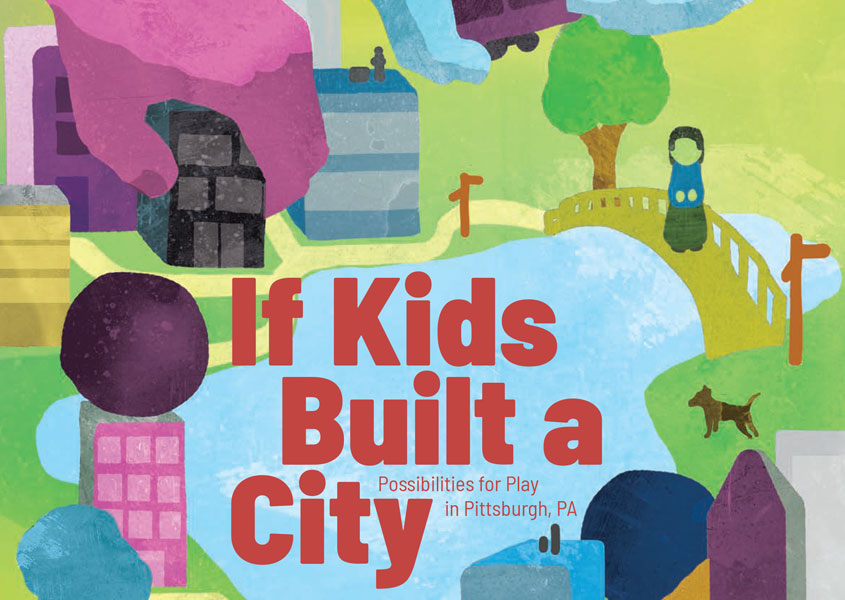
This book imagines what urban life would be like if kids designed the city, and presents real-life examples from Pittsburgh, Pennsylvania that might be included in those blueprints.
Fred Rogers wrote tunes for Mister Rogers' Neighborhood that help children feel accepted and valued. This playlist explores some of those songs.
This printable PDF serves as a reminder that play skills are an important part of a child's daily life.
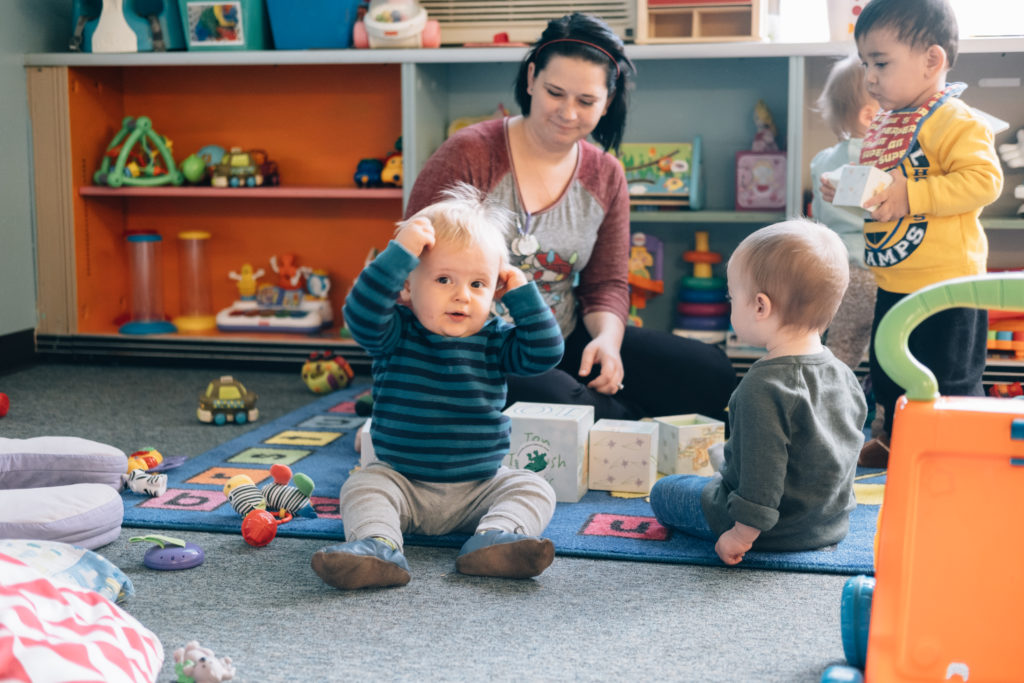
This PDF provides information on the development of play skills for infants and toddlers, and tips for caregivers on incorporating play into daily life.
On their website, the Early Learning Institute provides instructions for playing “Hide and Seek Pairs” to build visual discrimination and visual memory.
Everyday Interactions Matter provides activities for families related to transition time, play, daily routines, and more.
Experts argue that recess is necessary for a child’s social and academic development, and skipping it as punishment for misbehavior or to accommodate more seat time is a serious mistake.
The Recess Advocacy Team flyer includes information about recess practices and policies for Pre-K through sixth grade and is available for download and distribution.
Singings songs to and with your child not only creates a playful, positive environment, it also teaches children important vocabulary and skills such as rhyming!
Are you looking for playful learning opportunities for your young child? Step outside and go on a learning adventure! View PNC Grow Up Great's resource, "Outside Tips" to learn more!
Accessing child care during the COVID-19 pandemic can be difficult. Learn what questions to ask to ensure your early learning program is operating safely.
Whether your family is looking for or already accessing care, it's important to ask your child care provider questions.
At the earliest stages of your child’s life, it may seem like they can’t do too much. But that’s not true! Infants and toddlers are always learning and developing.
To assist caregivers in creating safe, supportive early environments for their young children, Trying Together created Part II: Childhood Physical Health of the Developmentally Appropriate Parenting Series.
During early childhood, children experience rapid development, learn important skills, and learn more about the world around them. Learn what you can do to support their development.
Zero to Three's video explores how play is one of the more important ways to nurture development from infancy.
Tummy time helps infants develop head, neck, and should strength, and it prepares them for other developmental milestones.
Developmentally Appropriate Practice (DAP), a practice well-known in the early childhood field, is based on knowledge—not assumptions—of how children learn and develop.
DAP is a practice well-known in the early childhood field, but what exactly is it? Read this post to learn more about DAP, its benefits, and what it looks like in practice.
The term “day care” is common used in conversation, but it doesn’t accurately reflect the work and complexity of early care and education programs. That’s why we call it child care.
As children’s first teachers, parents and caregivers play a vital role in children’s healthy development. Learn how you can create play rich environments by incorporating DAP at home.
There are many misconceptions about early learning, especially when it comes to what early learning looks like. Read this post to access answers to common myths.
Developmentally Appropriate Parenting is a family resource series that empowers caregivers to establish high-quality experiences at the earliest stages of their child’s life.
Information and organizations that can reinforce your search for quality child care, health, financial, housing, and other resources.
We're developing family resource content that will explore how to identify, access, and afford high-quality child care.
Did you know that high-quality early childhood programs support the lifelong success of young children and their caregivers? Read this post to learn how.
Found high-quality child care but wondering how to pay for it? Read this post to learn more about subsidy and supplemental payment programs.
Series Navigation
The Developmentally Appropriate Parenting Series highlights several early childhood topics to support parents and caregivers who are caring for young children. Use the list below to navigate through each series topic:
Learn more about the series.
Request free printed materials from our Developmentally Appropriate Parenting Series.