Report: Most Caregivers of Allegheny County Afterschool Students Say Programs Offer STEM Learning

News

October 5, 2026

Report: Most Caregivers of Allegheny County Afterschool Students Say Programs Offer STEM Learning

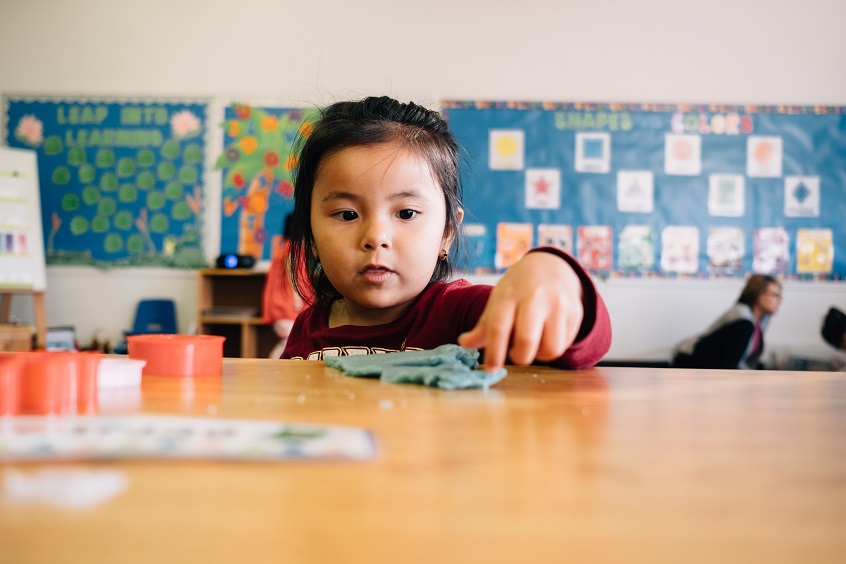
A recent report by Allegheny Partners for Out-of-School Time (APOST) and the Afterschool Alliance found that 92% of caregivers of Allegheny County afterschool students said their child’s afterschool program offers STEM (science, technology, engineering, and math) learning.

This number is up from 76% of caregivers who said the same thing in 2014. Additionally, 51% of those whose child’s program offers STEM reported that their child engages in STEM learning after school at least twice per week. However, nearly four in five Allegheny County children – or 92.451 children – whose parents want afterschool programs for them are not enrolled.

STEM Report

The report, Afterschool STEM Takes Off in Allegheny County, is based on survey responses from 30,515 U.S. households, with 456 households with 682 Allegheny County children screened.

Afterschool programs in the county are educating students on a variety of STEM topics, according to caregivers, including:

  • 89% said their child’s program offers engagement in math
  • 83% science
  • 81% engineering
  • 79% computer science
  • 78% tech

Five in six caregivers said afterschool programs help children to gain skills and interest in STEM, such as Tree Pittsburgh’s youth programs, which offer environmental education programming focused on educating youth and families about the benefits of trees in their communities.

Support for afterschool programs in Pennsylvania has increased through the Building Opportunity Through Out-of-School Time (BOOST) program. In 2024, the state invested $11.5 million in OST programs to 46 providers across the state, 10 of which were located in Allegheny County. The investment was renewed at $11.5 million in the 2025-26 state budget.

National Findings

In most respects, Allegheny County findings mirrored national survey findings, such as:

  • Increases in STEM in afterschool from 2014 to 2025 were seen in every state.
  • Children in families with low incomes are less likely to have multiple exposures to STEM in afterschool each week than those whose families have higher incomes.
  • Rural caregivers report fewer computer science and technology opportunities in afterschool.
  • Two in three parents with children in afterschool programs (65%) value STEM extremely or somewhat when selecting a program – but there are differences by race: Native American parents (73%), Black and Hispanic parents (70%), and Asian-American caregivers (68%) place greater importance on STEM in afterschool than White families (62%).
  • Caregivers of boys and girls report similar levels of access to STEM in their child’s afterschool program, but caregivers of girls prioritize computer science, technology, and engineering less than caregivers of boys.
  • Caregivers prioritize STEM, and specifically computer science, more as their children age.

“This study has really good news for Allegheny County,” said APOST Executive Director Karen Dreyer. “In an age when science and technology continue to shape and reshape our lives, we must invest in programs to support young people to learn, explore, and create in the STEM fields, so they gain the skills and experience needed to lead our communities into the future.”
Pennsylvania Key’s September Health Trend is Supporting Early Literacy

News

September 28, 2026

Pennsylvania Key’s September Health Trend is Supporting Early Literacy

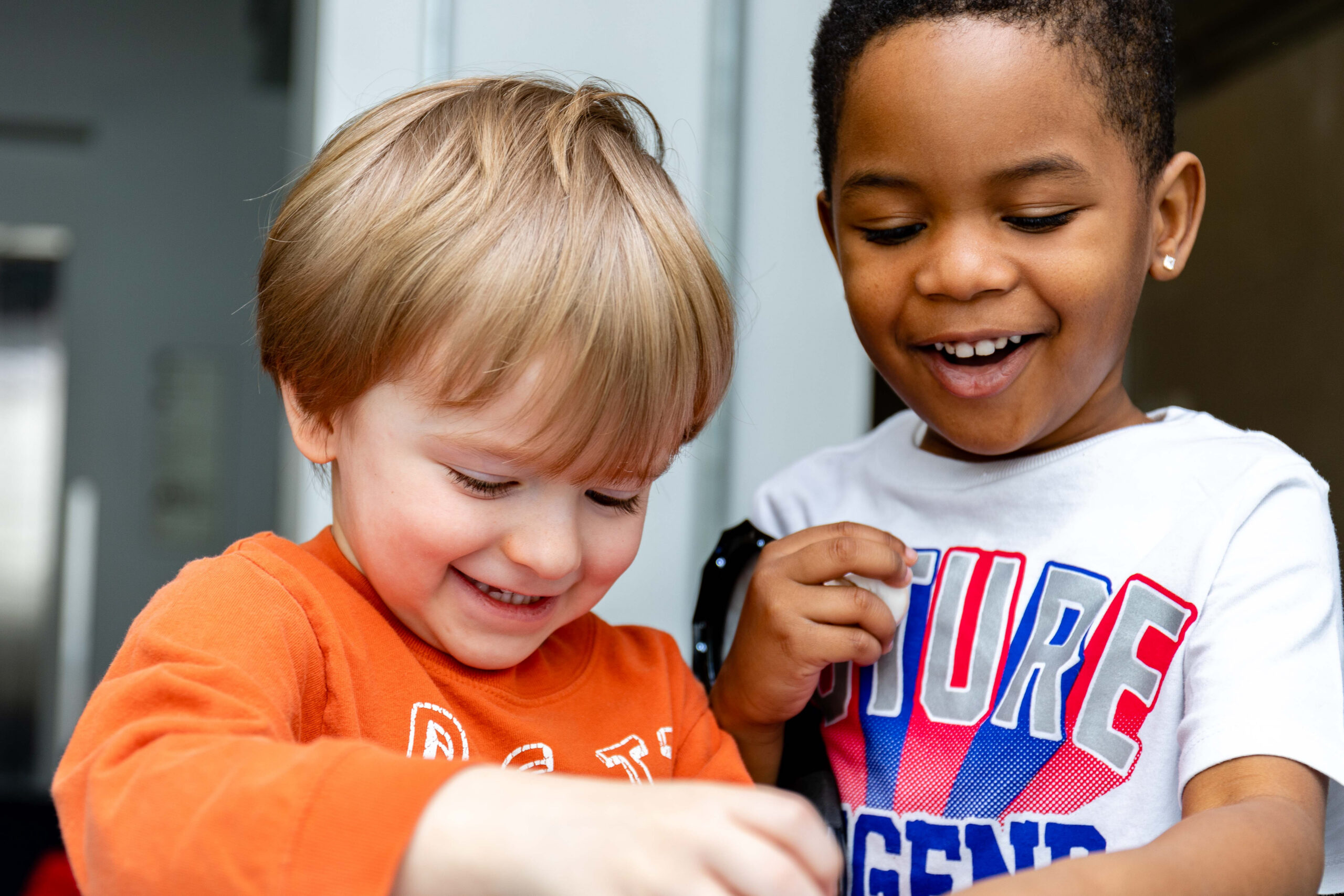
To celebrate September’s National Early Literacy Month, The Pennsylvania Key’s monthly Health Trends in Early Childhood is highlighting how early literacy helps to support children’s well-being and health.

Learn More

Early childhood literacy is important because it lays the foundation for the lifelong health and well-being of a child, The Pennsylvania Key writes. It was chosen as September’s health trend because exploring and cultivating literacy in young children enhances their ability to understand and use health-related information effectively to make healthy choices.

Some resources cited by The Pennsylvania Key include Sesame Workshops that can support families and children to practice healthy habits and build health literacy, a workshop to help children develop healthy relationships with food, and a list of books that encourage young children to develop habits that promote their health and hygiene, from diet and dental care to exercise and sleep.

The Key defines family health literacy as families being able to find and understand health information and use it to support their health, being able to reflect on and evaluate their health experiences, and being able to share accurate information and new learning to family, friends, and neighbors.

Actions to Promote Health Literacy

Actions to promote health literacy include:

  • Enhance children’s health literacy through engaging books to inform, inspire, and entertain them on everything from germs and personal hygiene to body systems and anatomy.
  • Share culturally, linguistically, and developmentally appropriate science-informed health education materials with children, families, and staff. Make sure the materials are accessible to learners with disabilities. 
  • Get children interested in STEM (science, technology, engineering, and medicine) at an early age.
  • Utilize Reach Out and Read, which helps integrate guidance about reading into pediatric practices, advises families about the importance of building healthy relationships, and shares books that promote healthy childhood development.
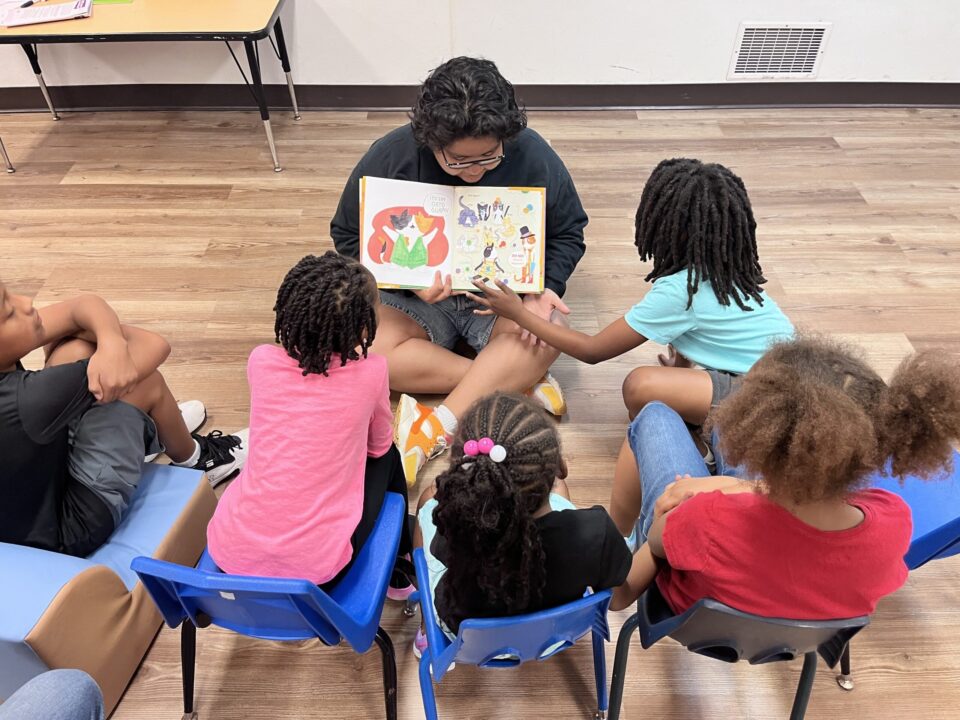
  • Start reading to children at an early age.

Trying Together’s Lending Library Offers Materials to Providers to Inspire Love of Learning

News

June 3, 2026

Trying Together’s Lending Library Offers Materials to Providers to Inspire Love of Learning

Early learning providers can find a variety of materials to borrow from Trying Together’s ECE Lending Library that support and recognize learning abilities, promote cultural diversity, and cover everything from health to safety.

Learn More

The library, which is located at Trying Together’s offices at 5604 Solway Street, was created to be a community space for child care providers in Allegheny County to borrow learning materials as well as teacher and curriculum resources.

“The benefit for teachers is that they are able to rotate materials in their programs without having to worry about storage or extra added costs,” said Allison Robinson, a leadership development strategist for ELRC Region 5. “It gives them the opportunity to try new things – a new material they might like to try before purchasing it.”

Teachers can borrow materials for 30 days on the first Saturday of the month or on Tuesdays or Thursdays.

“We want teachers to see it as a beneficial place where they can come monthly to change out the learning materials for their classrooms,” Robinson said.

What the Library Offers

Robinson said the library’s most popular items are its theme boxes – such as boxes focusing on farm animals or other topics – as well as its infant-toddler boxes and book bundles.

The materials in the library can help children learn about a variety of topics, Robinson said.

“We’ve got a number of STEAM and STEM materials, so these can give them a start in science, technology, and engineering, which is important because that’s where so many of the jobs these days are focused. We have materials for math and basic reading skills and a wealth of new social-emotional materials.”

Robinson said that Trying Together is currently undergoing an equity audit for the library, and that it intends to stock additional diverse materials.

“We’re excited for the opportunity to get more representation in place,” she said.

Robinson said that the intention of the library is to help get children more interested in what they are learning.

“We talk about behavior issues in the classroom, but it’s often that children are uninterested in what’s going on in the classroom,” she said. “By coming to the lending library monthly, teachers can get them more interested. It’s not a magic wand, but it helps them to develop a love for learning.”

More Details

The library’s materials include:

  • Books for infants, toddlers, and preschoolers
  • Infant social-emotional support kits
  • Toddler dress up trunks
  • Puppet sets
  • STEM and coding kits
  • Active play kits
  • Storytelling kits
  • Sensory items and kits
  • Musical instruments
  • Leadership resources
  • Resources related to early childhood education and interactions with children
  • Die cut machines
  • Inspire Interactive Panels

The library is located in Room 204 of Trying Together’s office on Solway Street. It is open on the first Saturday of the month from 10:30 a.m. to 12:30 p.m., and from 11:30 a.m. to 3 p.m. on Tuesdays and Thursdays.

For details about how to access the library, how to check out items, and to view a full list of available items, visit the ECE Lending Library website.

NIOST Conducting Survey to Support OST STEM Workforce

News

February 5, 2025

NIOST Conducting Survey to Support OST STEM Workforce

The National Institute on Out-of-School Time (NIOST) is conducting a survey that is aimed at supporting the OST STEM workforce.

Learn More

The survey poses questions on the topic of how afterschool and summer programs can best recruit, train, and retain out-of-school-time staff who offer STEM activities. It is being conducted by NIOST at Wellesley College with support from the Overdeck Family Foundation and in partnership with the National Afterschool Association.

The goal of the study is to inform program leaders and educators how to best obtain, prepare, and support staff to deliver high-quality STEM activities in out-of-school programs.

NIOST is calling on out-of-school-time program directors to take part in the survey, which takes about 20 minutes to complete. 

All data collected in the study is for research purposes only. Participants will not include their names when completing the survey.

Any questions should be directed to Georgia Hall, of Wellesley College, at 781-283-3499 or ghall@wellesley.edu. 

The study is available online.

Nonprofit Organizations Encouraged to Apply for a Gateway Grant

News

November 13, 2024

Nonprofit Organizations Encouraged to Apply for a Gateway Grant

Nonprofits that focus on STEM Education and various specialty areas are encouraged to apply for Gateway Fund grants this month.

Learn More

The Gateway Fund supports 501(c)3 designated public nonprofit organizations located and operating in Southwestern Pennsylvania. The grant focuses on STEM Education as well as Technical Workforce Development, Human Health and Wellness, and Environmental Stewardship.

In 2025, the Gateway Fund will support five chosen programs with a $10,000 grant.

About Gateway

The Gateway Fund operates on an ongoing, annual basis with a fixed timeline that begins with applications and concludes with grantee reporting. 

Organizations that qualify for grants may be consecutively funded for up to three years.

Timeline

Grant applications must be received no later than Sunday, Dec. 1. Any applications received after that date will be disqualified. 

Organizations selected will be notified and announced in January. The chosen organizations will receive funds from the grant in February. 

The application for the grant is available on Gateway’s website.

Carnegie Library Announces Science Programs for Children

News

October 2, 2024

Carnegie Library Announces Science Programs for Children

The Carnegie Library of Pittsburgh is launching Super Science programs for children in kindergarten through fifth grade.

Learn More

Super Science programs not only teach children about science, but also show them how to actively explore, experiment, and discover answers to questions, from how fossils form to how geological forces shape mountains.

The programs pair books with hands-on STEM activities that promote scientific inquiry while igniting wonder about the world of science. 

Some of the topics covered in Super Science programs include:

  • Animal Features and Adaptations
  • Bugs
  • Physics
  • Paleontology
  • Geology
  • Human Anatomy

The complete lineup of the Carnegie Library’s Super Science programs is available on its website.

Carnegie Science Center to Host Free Programs for North Side Families This Fall

News

August 13, 2024

Carnegie Science Center to Host Free Programs for North Side Families This Fall

The Carnegie Science Center is hosting one free program per month for North Side families this fall.

Learn More

The programs are aimed at families with children between the ages of 3 and 5. Each event will include a snack and free premium memberships will be given to North Side residents with early learners while supplies last.

On Saturday, Sept. 21, “Ready for Blastoff” will teach attendees how astronauts get ready for their trips to space, what they pack for their journey, and how to make a space helmet. 

“Creepy Crawly,” which will be held on Saturday, Oct. 12, will investigate insect parts and behavior through song and dance. Attendees will make bug antennae to take home. 

On Saturday, Nov. 9, “Incoming Landing” will enable participants to build a Mars rover to take home. Children will also learn about the importance of engineering design and teamwork in space exploration.

“Bubble Science,” which will be held on Saturday, Dec.14, children will explore the “S” in STEM (Science, Technology, Engineering, and Mathematics) through the creation of amazing bubbles via bubble blowers.

Each class will run from 1 p.m. to 2 p.m. 

Register

Each program has limited capacity, so those interested should register in advance by calling the Carnegie Science Center at 412-237-3400 between 9 a.m. and 5 p.m. on Monday through Friday.

Dancing Our Way Through STEM

News

April 11, 2023

Dancing Our Way Through STEM

Providing children with opportunities to explore creative movement can spark so many natural connections to STEM concepts.

During this interactive workshop provided through the Trust Arts Education Center, early childhood and K-12 educators will participate in a variety of dance focused strategies that will deepen understanding in science math, ingenuity, and other fundamental STEM concepts. Participants will have the opportunity to demonstrate their own creative movement techniques that can support student’s STEM learning.

Breakfast will be included. PQAS and ACT 48 Credit available.

To learn more and register, visit the Trust Arts Education Center event page.

Open-Ended Questions Are For Everyone!

News

November 20, 2020

Open-Ended Questions Are For Everyone!

Are you interested in learning about using open-ended STEM questions with early learners of all ages and abilities? Join Trying Together on December 9 for our online session, “Connections and Conversations: Open-Ended Questions Are For Everyone!”

About

Connections and Conversations Virtual Check-Ins are biweekly interactive sessions that highlight topics of interest to the field of early childhood education. Participants engage in virtual discussions with child development experts while interacting with early learning practitioners to share questions, experiences, and expertise about the highlighted topic. Sessions offer one hour of PQAS credit. Act 48 credit will not be provided.

In this session, participants will engage in virtual discussions via Zoom with child development experts while interacting with early learning practitioners to share questions, experiences, and expertise about using open-ended Science, Technology, Engineering, and Mathematics (STEM) questioning with early learners of all ages and abilities.

Session Details

    • Session Date: Wednesday, December 9  |  6 – 7 p.m.
    • Instructors: Jasmine Davis and Wendy Brenneman
    • CKC: Curriculum and Learning Experiences
    • CDA Subject Area: Safe, Healthy Learning Environment
    • Registration Deadline: Monday, December 7, 2020

Registration

To register, visit the course PD Registry page. Space is limited. Participants will receive the course Zoom link via email within 24 hours before the start date for the course. PQAS credit is available.

If you do not have a PD Registry account, please complete this online form to create one. If you are unable to create an account, please contact pdregistry@pakeys.org for more information.

Session Rules and Guidelines

These virtual discussions are designed to provide educators the opportunity to grow professionally and share knowledge on early childhood topics. During the meeting, participants should follow the guidelines below to ensure a successful virtual meeting for all participants.

    • Please allow all participants a chance to speak. Listen respectfully and actively.
    • Commit to learning about each other, not to debating the topic.
    • Embrace differences of opinion as healthy and support each person’s authentic self-expression.
    • Participants will be muted for the beginning portion of the session.
    • Participants may use the “Raise Hand” feature in Zoom to request an opportunity to comment or ask a question. Individuals will be temporarily unmuted by the moderator.
    • Participants may type a comment or question in the Chat or may send comments or questions directly to the moderator for them to share.
    • To receive PQAS credit, you must complete an evaluation at the end of the session and include your PD Registry number.
    • Have fun, make connections, and engage in the conversations!

More Information

For questions or more information, please contact Jasmine Davis at jasmine@tryingtogether.org.

Educators: Join the Leap into Science National Network

News

November 12, 2020

Educators: Join the Leap into Science National Network

Are you an educator in Pennsylvania who is interested in receiving training and materials to lead science and literacy workshops for children and families? Join the Leap into Science National Network! Applications must be submitted by December 14, 2020.

About

Leap into Science is a nationwide program developed by The Franklin Institute Science Museum that integrates open-ended science activities with children’s books, designed for children ages three through 10-years-old and their families. The program empowers educators to offer workshops in community settings like libraries, museums, and out-of-school time programs to engage underserved audiences in accessible and familiar settings.

Leap into Science provides workshops on a science theme for three possible audiences: early childhood, elementary, and/or family groups. If your organization was already trained in the Leap into Science Wind curricula, you are NOT eligible to attend this training.

Organization Benefits

Each organization that participates in Leap into Science will receive:

    • a two-hour virtual training on high-quality science and literacy curriculum and facilitation strategies for two or more educators;
    • ongoing support during program implementation as part of a Leap into Science National Network;
    • access to the national Leap into Science leadership team and online resources; and
    • a curriculum and materials kit (valued at $300).

Participation Commitments

As a Leap into Science partner organization, participants commit to:

    • scheduling and leading at least three Leap into Science workshops for children and/or families living in underserved rural or urban communities by September 2021, including an event during National Leap into Science Week (June 7 – 13, 2021);
    • posting each workshop to The Connectory, a searchable directory for STEM programs across the country;
    • completing a workshop report following each workshop; and
    • participating in quarterly calls with other trained educators in your state.

Available Workshops

The Pennsylvania Leap into Science Team is hosting a free two-hour virtual training on the Leap into Science Light & Shadow workshops at the following times:

    • Friday, January 29, 11:00 a.m. – 1:00 p.m.
    • Tuesday, March 16, 9:30 a.m. – 11:30 a.m.
    • Thursday, May 13, 1:00 p.m. – 3:00 p.m.

Submit An Application

To participate in the national network and attend one of the trainings listed above, please complete this brief application form by December 14, 2020.

Priority will be given to organizations that can send at least two educators to the training and who serve traditionally underrepresented audiences. If selected, you will receive an email notification of your acceptance by the end of December with details about the training you will attend.

More Information

For questions, contact Betsy O. Saatman at betsaa@pakeys.org or 484.955.5909.