About
From the moment a parent or caregiver meets their child, they experience a shift in their daily lives, expectations, and roles. Navigating these changes can be difficult, but as many caregivers have said: “The experience of watching your child learn, develop, and grow is well worth it.”
To support families, Trying Together developed the following guide on navigating emotions as a parent or caregiver. Although the strategies and support services included will not eliminate the challenges families face entirely, they can help make the journey a little easier.
Strategies for Navigating Difficult Emotions
Stay In Tune With Your Emotions
- Recognize that it is natural to experience difficult emotions. There is no shame in feeling angry, sad, or upset. However, it does matter what you do with those emotions.
- Take 10 minutes to reflect on your thoughts and emotions. You can do this silently or by writing your reflections in a journal. Think through the following questions:
- How am I feeling today?
- Why am I feeling this way? Did something specific cause this feeling?
- Is this feeling temporary or have I felt this way for a long time?
- Have I told anyone about this feeling? Why or why not?
- Where am I holding those feelings in my body? Am I tensing my shoulders? Clenching my jaw? Overthinking?
- How am I interacting with others? Are my emotions impacting my interactions?
- What can I do to relax, cope with this feeling, or get into a better headspace?
- Who can I reach out to for support? What time should I reach out to them?
- What am I grateful for today? What am I proud of?
Managing Emotions In The Moment
- Take a pause before you respond to someone or a situation. When we experience big emotions, those emotions can influence our reactions. Taking a moment allows you to recognize how you are feeling and implement strategies to cope.
- Inhale slow, deep breaths through your nose and exhale slowly through your mouth. Rather than breathing into your chest cavity, imagine that you are breathing into your stomach. Place your hands on your stomach and feel it rise and fall. This will decrease your heart rate, slow your breathing, and make you more present in your body.
- Take a moment to observe the situation without the influence of your emotions. What is happening? What could have caused this situation? How is someone feeling? What did someone say or do? Finding the answers to these questions can help you identify what steps to take to resolve the situation.
- Focus your mind on something specific, like the feel of your shirt or the scent of something in the area. This can help to keep you grounded in the moment.
- See this Mindfulness Guide from the New York Times for more mindfulness ideas.
Managing Daily Stress
- Managing stress looks different for everyone, so find a method that works for you. Start off by identifying what causes you stress on a daily basis and brainstorm ways to either eliminate or reduce that stress.
- If you have many tasks or activities to keep track of, create a daily, weekly, and/or monthly calendar to list your upcoming engagements. Make this calendar easily accessible in your home or consider using a phone calendar.
- Add notes around your house that remind you to take a deep breath, drink some water, and relax your body. Those little reminders can help you get into the practice of using these strategies on a regular basis.
- Know your limits and set boundaries. If you are feeling overwhelmed, let the people around you know and say no to things that you cannot take on at that moment.
Ask for Support When You Need It
- Ask if a friend, family member, or loved one would be able to take over caregiving responsibilities for a period of time, even if it is only for 10 minutes. Having some time alone can help you process your emotions and give you time to refresh your mind.
- If no one is available at home, consider using a crisis child care center such as Jeremiah’s Place for temporary respite care.
- Reach out to a loved one, family member, or trusted person to let them know what you are struggling with. Never feel as if you have to suffer alone.
- When you feel uncomfortable sharing with a loved one, reach out to the Family Resources of Pennsylvania Parenting Warmline at 412.641.4546.
- Join a support group such as Fathers Trying Together, Single Mom Defined, or Women’s Rap.
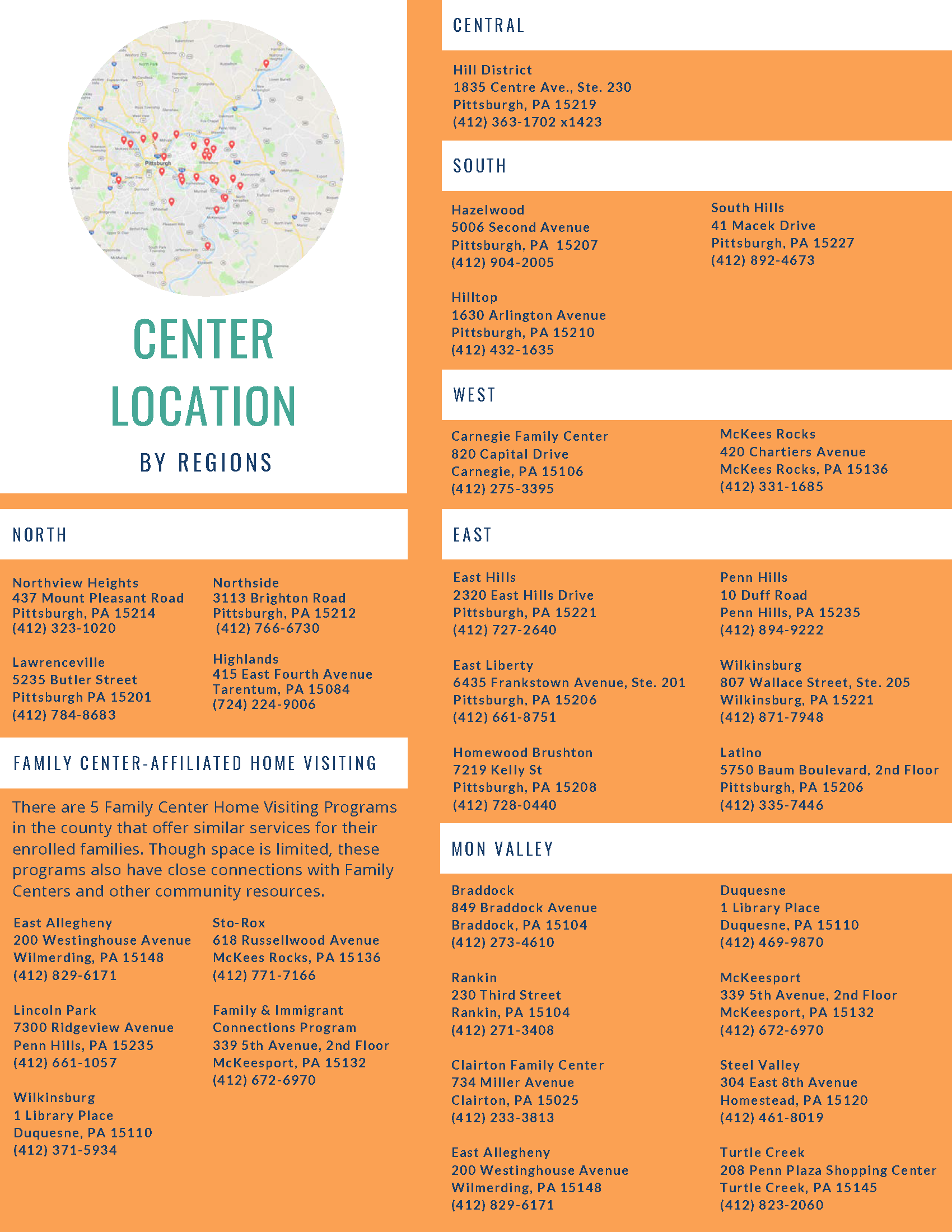
- Reach out to your local Family Support Center to access a range of services, including parent support groups, parenting skills programs, family activities, and more.
- If you live in Pennsylvania and need help accessing mental health services, call 2.1.1 or text your zip code to 898.211 to talk with a resource specialist for free. For individuals outside of Pennsylvania, call the SAMHSA National Helpline at 1.800.662.4357.
Prioritize Self-Care
- Take time to identify what makes you feel better in difficult situations. Do you like taking a warm bath? Drinking a cup of hot tea? Taking a short walk? Identify the things that help you recharge and schedule time for them into your daily schedule. If you need a place to start, check out these Self-Care Planning Resources from the University of Buffalo School of Social Work.
- Create joyful moments by trying something new. You can try a new food combination, a new scented candle, hairstyle, or activity. The best part about this is that you can include your child in these things as well. Take time to be playful and creative together.
Take Time to Celebrate
- When surrounded by stress, it can be easy to focus on the bad. Escape this cycle by taking time to celebrate your personal or parenting wins, or identify what you are thankful for that day. Whether it is a funny joke that you told earlier in the day or simply getting a meal on the table, celebrate those wins.
Resources
Developmentally Appropriate Parenting Series
Developmentally Appropriate Parenting is a family resource content series developed by Trying Together as an effort to empower caregivers to create high-quality experiences at the earliest stages of their child’s life.
Family Resources of Pennsylvania Parenting Warmline
The Family Resources of Pennsylvania Parenting Warmline is a free, confidential hotline for parents and caregivers with non-medical parenting concerns and questions. If you live in Allegheny County, call 1.877.927.6596. If you live outside of Allegheny County, call 1.800.641.4546.
PA 2.1.1 Southwest
PA 2.1.1 Southwest provides access to an extensive list of resources for families in Southwestern Pennsylvania. Specialists provide referrals to human needs resources, physical and mental health resources, child care programs, and more. For more information, call 2.1.1 or visit their website.
SAMHSA National Helpline
SAMHSA’s National Helpline is a free, confidential information service (available in English and Spanish) for individuals and family members facing mental and/or substance use disorders. This service provides referrals to local treatment facilities, support groups, and community-based organizations.
Jeremiah’s Place
Jeremiah’s Place is Pittsburgh’s only crisis child care center that provides a safe haven of respite, health, renewal, and support for children and families during times of crisis. Services are provided for free and are available 24 hours a day, seven days a week.
Hello Baby
Hello Baby supports parents with newborn children in Allegheny County by making it quick and easy to find local resources.
Print This Resource
Download this resource as a printable PDF document (English)(Español).