News

December 14, 2020

Play and Physical Activity Guide for Educators & Families, Recess Advocacy Team

About

The Recess Advocacy Team compiled a list of resources for educators and families to make sure play and physical activity are a part of children’s’ days and serve as a foundation for their learning, growth, and development. The list includes resources, activities, considerations, and ways that educators and families can incorporate play and physical activity into children’s daily routines.

Resources for Play & Physical Activity

Download This Resource

The Recess Advocacy Team is a group of organizations dedicated to health and wellness, education, and play with a focus on recess practices and policies. To view the full list of resources, download the guide (PDF).
 

News

Using Play to Support Children’s Physical Health

Creating play-rich early environments.

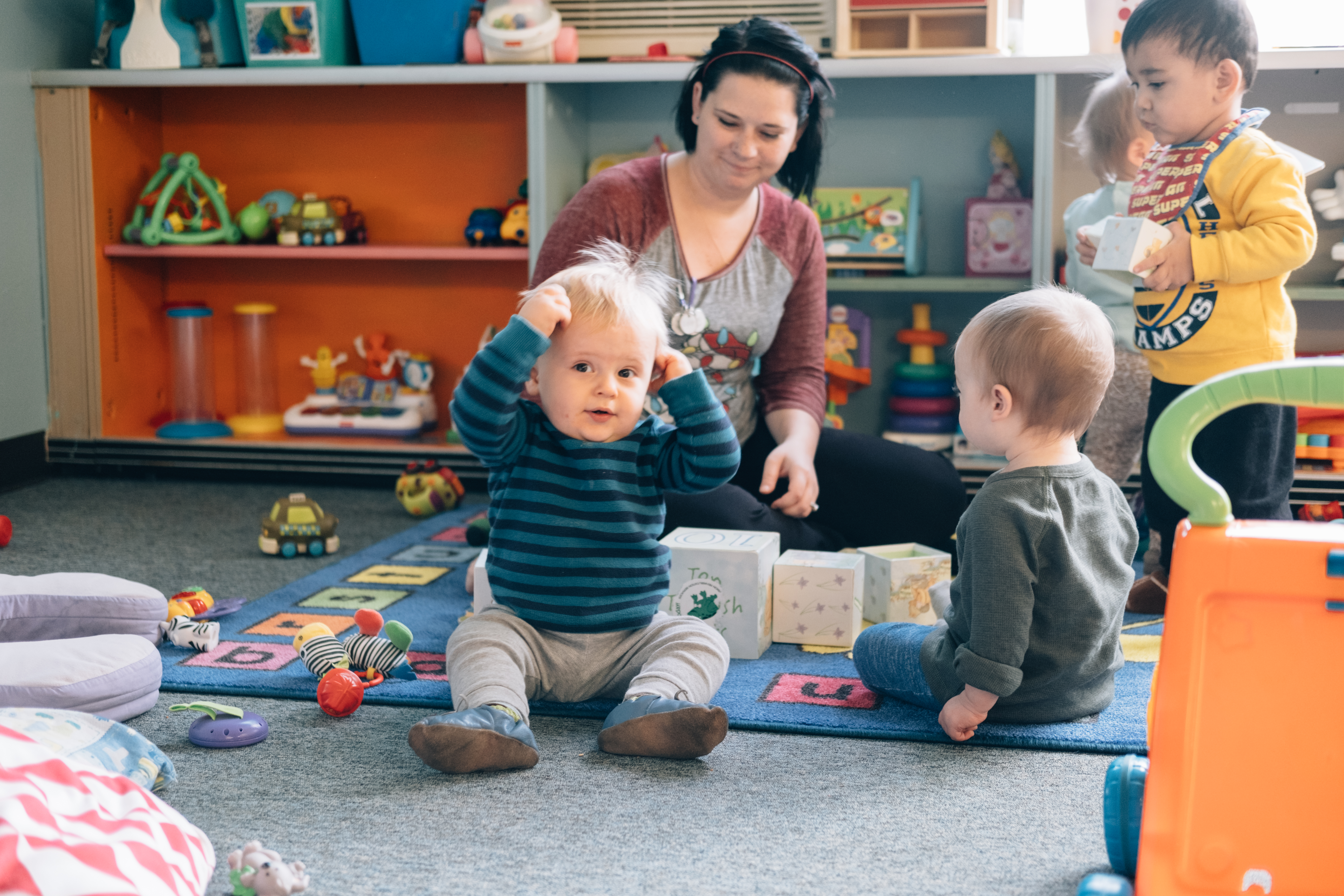
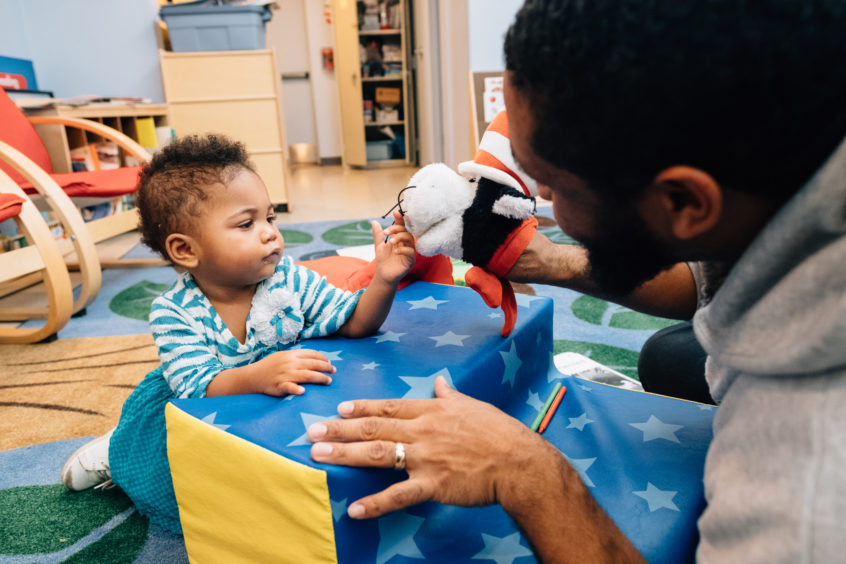
As children’s first teachers, parents and caregivers play a vital role in supporting their children’s healthy development. While it may sound like a big task, the first step is simple: incorporate developmentally appropriate activities into your daily routines!

Physical Activity Recommendations

Birth to one year old:

Caregivers should encourage their infants to practice movement skills while their infant is awake. These skills include supporting their head, rolling, crawling, walking, and picking up both small and large objects. Include at least 30 minutes of tummy time every day.

Ages two to five years old:

It is recommended that toddlers remain physically active throughout the entire day through a combination of play-based activities. Aim to include a mix of structured, adult-led play and unstructured, free play every day.

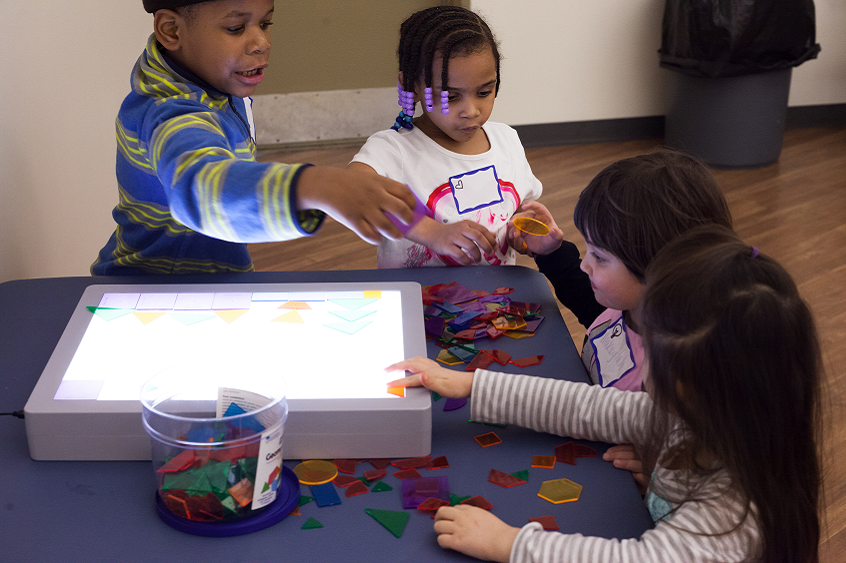
    • Structured play activities follow rules to reach a specific goal. Examples include assembling a LEGO set, playing organized sports like soccer, and playing tag.
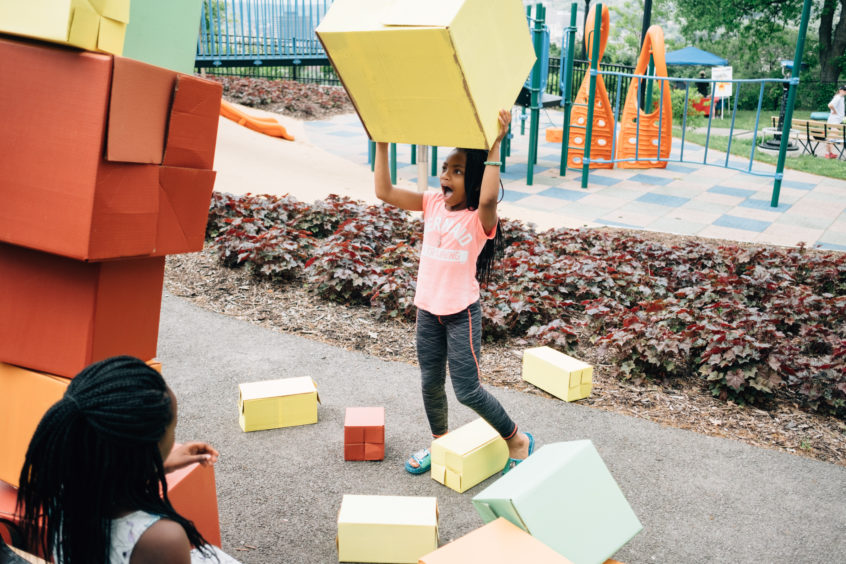
    • Unstructured play is child-led, improvised, and creative. It does not follow a specific set of rules. Examples include playing with blocks, creating new games to play, and improvised dance.

Ages six years old and older:

Children in this age range should get at least 60 minutes of moderate-to-vigorous physical activity every day. There should be a mix of aerobic (running, swimming, jump roping) and bone- and muscle-strengthening activities (climbing, yoga, basketball, bodyweight exercises).

Playful Activity Ideas

Consider using these activities to get your family up and moving!

Infants and Young Toddlers: Household Item Play

With supervision, give your child their own spoon at meal time or give them a child-safe bowl and spoon to play with. You can also give your baby blocks and balls to strengthen their grip, practice their holding skills, and improve dexterity.

Pre-k: Muddy Maneuvers

Even though mud is messy and slippery, it provides a lot of great play opportunities for you and your child. Let your child take off their shoes; squish mud between their toes and fingers; make handprints, footprints, and mudpies; and more! Just bring some water and towels to clean up after!

Kindergarten: Nature Hunt

Take a walk in nature with your child and try to find local animals, plants, and bugs. If you have them, bring binoculars to see how far away you can see and a magnifying glass to get a closer look at bugs and plants. You can research information online about local plant life and wildlife to create a scavenger hunt and list of fun facts! For example, what type of animal is it? What does it eat?

School Age: Hold that Animal Pose (Yoga)

Challenge your child to pose like a giraffe, flamingo, and other animals to help build their muscles, practice their balance, and work on patience. You can find examples of yoga animal poses beforehand or tune in to your creativity to create poses (with your child) on the spot! For an extra challenge, ask them to hold a book, milk jug, or another household item while holding the pose.

Resources

Developmentally Appropriate Parenting Series

Developmentally Appropriate Parenting is a family resource content series developed by Trying Together as an effort to empower caregivers to create high-quality experiences at the earliest stages of their child’s life.

Playful Pittsburgh Collaborative

The Playful Pittsburgh Collaborative is a group of organizations dedicated to advancing the importance of play in the lives of children, families, and communities in the Pittsburgh region. Read their blog to learn about playful activities for children of all ages.

KidsHealth

The KidsHealth website features a wide range of information on childhood health topics such as exercise, breastfeeding, nutrition, and more.

Print This Resource

This resource is available as a printable PDF (English) (Español).


News

DAP Series: Free Printable Cards

About

A child’s parent is their first and most important caregiver. From the moment a caregiver meets their child, whether that is through birth, adoption, fostering, or guardianship, parents use their instincts and experiences to guide their personal caregiving style. Caregivers’ perspectives are valuable and can be especially powerful in supporting children’s long-term success when paired with research and science on the way that children learn and develop.

That’s why Trying Together created the Developmentally Appropriate Parenting (DAP) Series to assist caregivers in creating high-quality early learning environments at the earliest stages of their child’s life. Through the Series, printable cards are available. Each card features information and resources on a specific early childhood topic.

Featured Part Topics

As of October 2021, Trying Together’s printable cards feature the following topics:

Additional topics will be added through 2022 as resources are finalized.

Download the Cards

The cards are available as a downloadable PDF. For more information about the Series, visit the About the Series page.


News

June 16, 2020

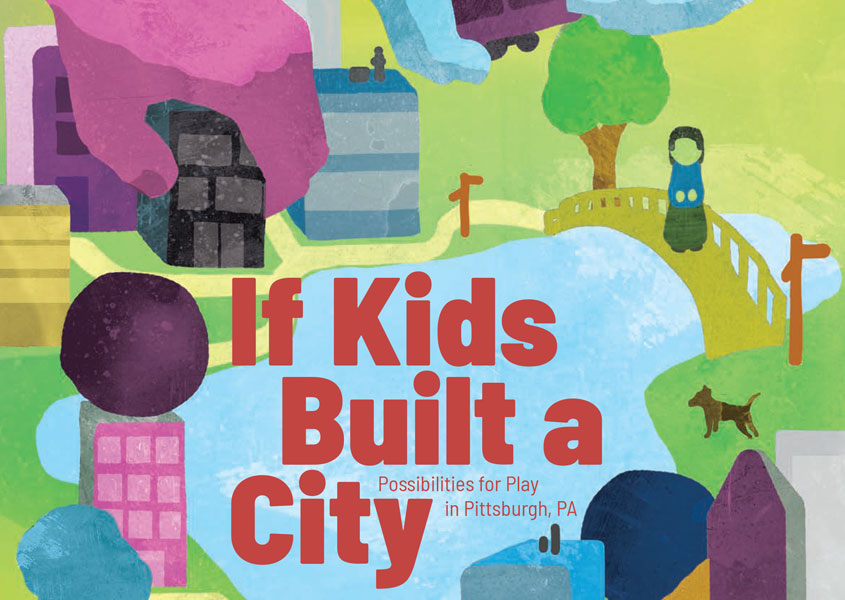
If Kids Built a City: Playful Pittsburgh Collaborative, Trying Together, and the Grable Foundation

About

Pittsburgh, like many cities, is only at the beginning of its journey to intentionally build a playful city. Every day, Pittsburghers young and old are answering the call to play more often. In their report “If Kids Built a City,” Trying Together, the Playful Pittsburgh Collaborative, and the Grable Foundation explore the many ways to play in the city and its potential for more.

Download This Resource

To learn more, download the “If Kids Built a City” report (PDF).


News

June 15, 2020

Mister Rogers’ Neighborhood: The Songs

About

Through his songs, Fred Rogers translated the concepts of child development into musical messages in a language that children could understand. Some songs celebrate good feelings. Some are calming. Others are for times when children are struggling with a particular issue like jealousy or persistence or being apart from a loved one.

View the List

To listen, access the full song list on the Mister Rogers’ Neighborhood website.


News

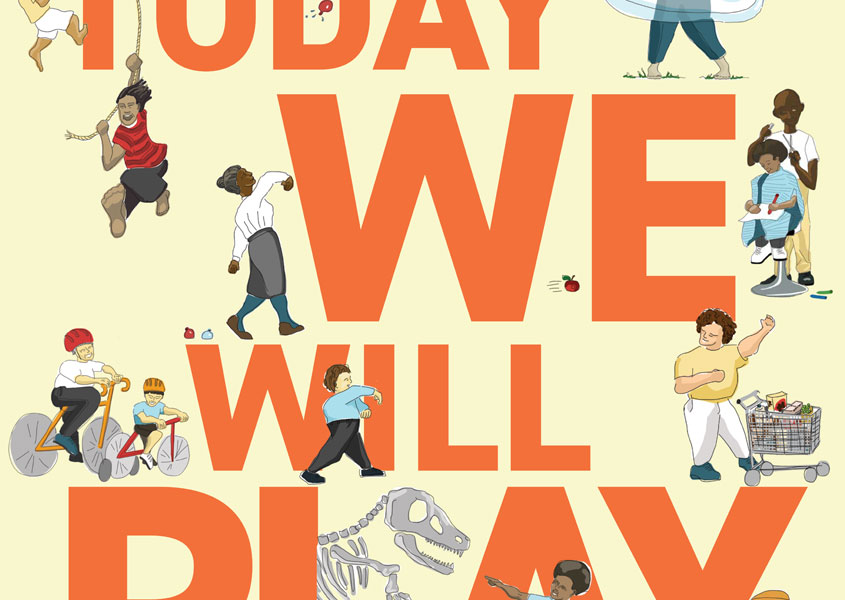
Today We Will Play Poster: Playful Pittsburgh Collaborative

About

The Playful Pittsburgh Collaborative’s “Today We Will Play” poster features diverse scenes of play that take place in everyday life: at the grocery story, on the sidewalk, in the laundromat, at school, at home, in the office, and everywhere in between.

Download the Poster

To learn more and download the poster, visit the Playful Pittsburgh Collaborative’s website.


News

Make the Most of Playtime, CSEFEL

About

“Babies and toddlers love to play. As a parent, it can feel overwhelming at times.”

The Center on the Social and Emotional Foundations for Early Learning’s resource, “Make the Most Out of Playtime” explains the importance of parents playing with their young children, provides an overview of how play skills develop in infants and toddlers, and lists tips for parents to incorporate play into daily life.

View the PDF

To learn more, view the resource “Make the Most Out of Playtime (PDF).”


News

News

Activities, Everyday Interactions Matter

About

Everyday Interactions Matter is a professional development initiative that was created to help early childhood educators learn and grow from their own practice. On their website, they provide several video examples of activities that caregivers can do with their young child, including their videos, “Walk Around the Block,” “I Did It Myself,” and more.

More Information

To view the video library and articles that feature additional play activities, visit the Everyday Interactions Matter website.


News

The Recess Advocacy Team

About

The Recess Advocacy Team is a group of organizations dedicated to health, wellness, education, and play with a focus on recess practices and policies in Pre-K through sixth grade.

Mission

The Mission of the Recess Advocacy Team is to:

    • educate and advocate for the importance of recess;
    • engage with children, families, and educators on recess experiences;
    • establish a resource for recess-related advocacy, policy, and best practices for both families and educators; and
    • engage stakeholders (additional organizations, parents, community members, teachers, principals, etc.) to support recess advocacy work.

More Information

For more information and ways to get involved, visit the Recess Advocacy Team website.