About
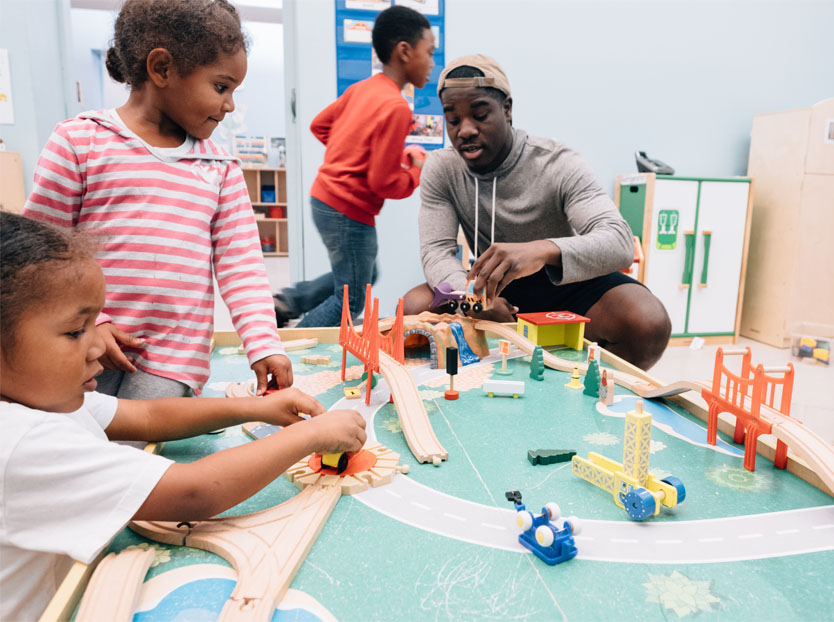
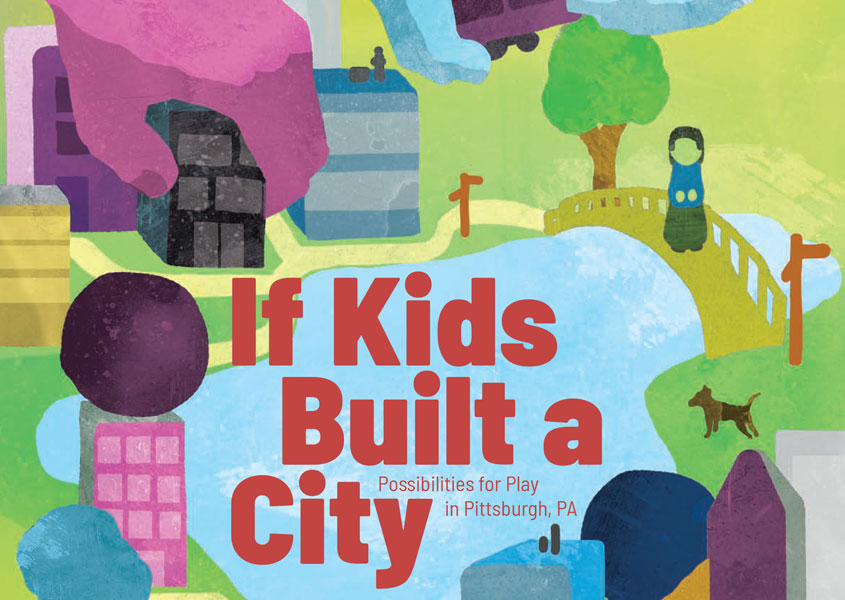
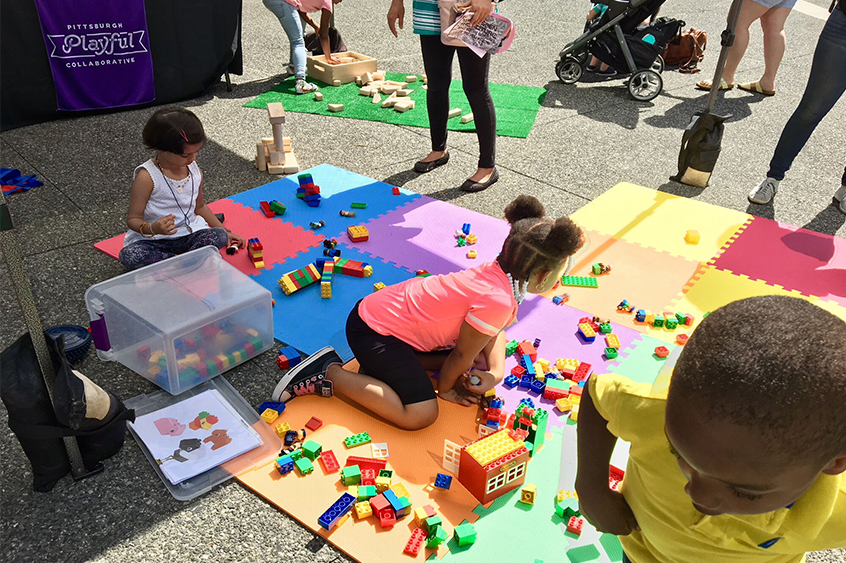
Pittsburgh, like many cities, is only at the beginning of its journey to intentionally build a playful city. Every day, Pittsburghers young and old are answering the call to play more often. In their report “If Kids Built a City,” Trying Together, the Playful Pittsburgh Collaborative, and the Grable Foundation explore the many ways to play in the city and its potential for more.
Download This Resource
To learn more, download the “If Kids Built a City” report (PDF).
About
The Playful Pittsburgh Collaborative’s “Today We Will Play” poster features diverse scenes of play that take place in everyday life: at the grocery story, on the sidewalk, in the laundromat, at school, at home, in the office, and everywhere in between.
Download the Poster
To learn more and download the poster, visit the Playful Pittsburgh Collaborative’s website.

About
“Babies and toddlers love to play. As a parent, it can feel overwhelming at times.”
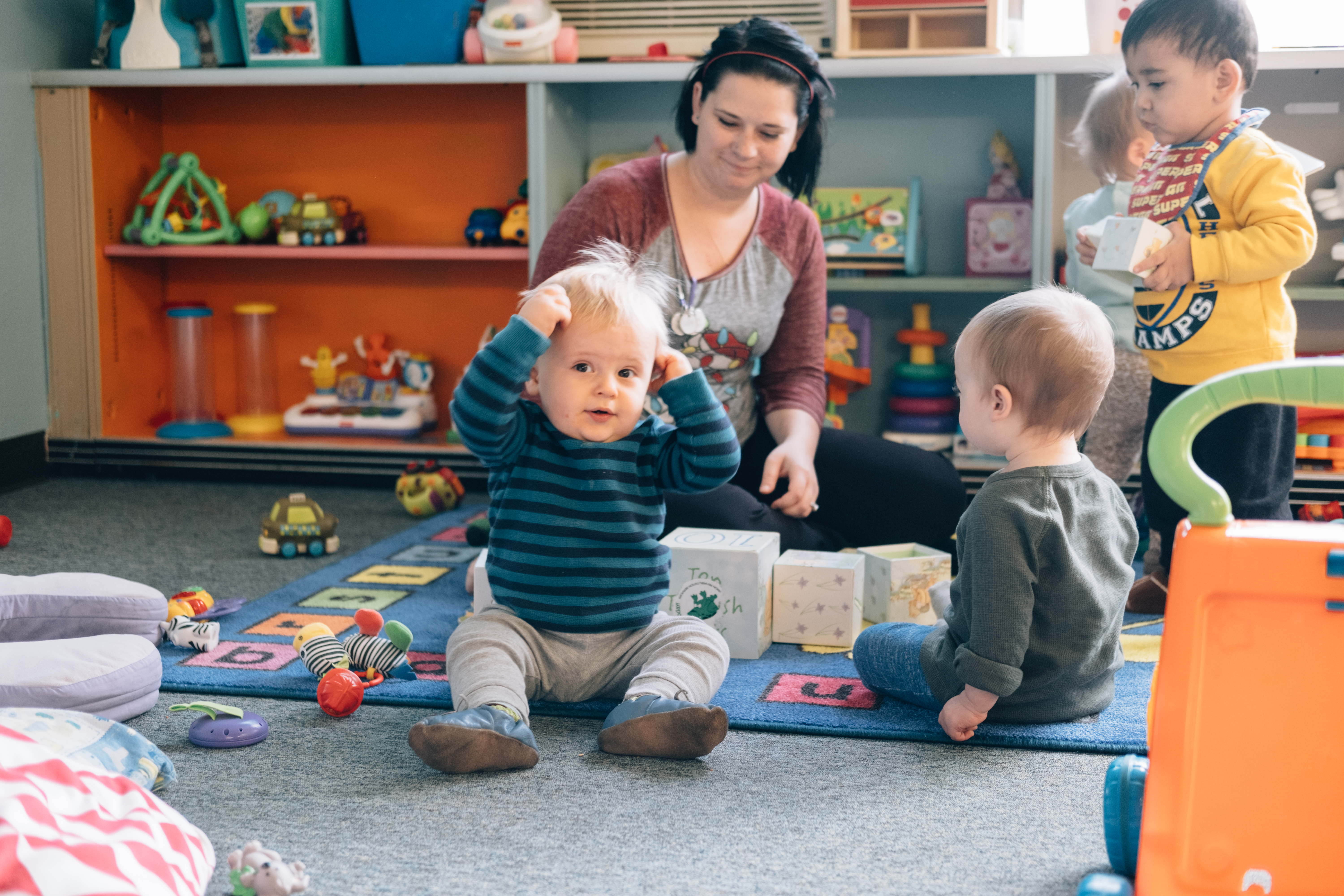
The Center on the Social and Emotional Foundations for Early Learning’s resource, “Make the Most Out of Playtime” explains the importance of parents playing with their young children, provides an overview of how play skills develop in infants and toddlers, and lists tips for parents to incorporate play into daily life.
View the PDF
To learn more, view the resource “Make the Most Out of Playtime (PDF).”
About
The Recess Advocacy Team is a group of organizations dedicated to health, wellness, education, and play with a focus on recess practices and policies in Pre-K through sixth grade. Parents, educators, and caregivers recognize how important recess is for a child’s success. Additionally, recess promotes social and emotional skills that become fundamental lifeline tools.
Learn More
A flyer is available for download and distribution to learn more about the importance of play and recess. View the Recess Advocacy Team flyer (PDF).
Child Care and the COVID-19 Pandemic
Child Care Operations in Pennsylvania
During the COVID-19 pandemic, all child care programs located in counties in the yellow or green phase of Governor Tom Wolf’s Process to Reopen Pennsylvania are permitted to offer services to families and caregivers without a waiver. However, to maintain the health and safety of children, families, and staff, all programs must comply with the Center for Disease Control and Prevention’s Guidance for Child Care Programs that Remain Open.
To better understand the type of care and services your early learning program is providing during the COVID-19 pandemic, ask your early learning professional the following questions. For additional questions on program quality, visit our Questions to Ask Your Early Learning Professional page.
Questions to Ask Your Child Care Program
-
- What are your current operating hours? (COVID-19 might have affected the normal hours.)
-
- What is the health screening process you are implementing for children and staff?
-
- What is your drop-off and pick-up process right now?
-
- What is your policy regarding visitors and non-essential staff in your program?
-
- What is your program’s policy on adults and children wearing masks?
-
- Can you share with me a little about your handwashing and hygiene practices?
-
- What is the staff-to-child ratio you are currently following?
-
- How are you handling groupings of children and use of space in general (ie., meals, nap time, outdoor activities)?
-
- How is your program communicating with families?
-
- Can you tell me about the communication you will have with families about illnesses?
-
- Does the program have an emergency plan for a child or staff member showing COVID-19 symptoms?
-
- Can you share your sick/illness policy with me before enrolling?
-
- How will you meet the developmental needs of my child while following the health and safety guidance of the CDC?
-
- Do you have an outside play area or a plan to get children outside every day?
-
- Recognizing the increased need for cleaning and sanitation, are cleaning supplies and chemicals locked up and out of the reach of children?
Print this Resource
This list of questions is also available as a printable Family Checklist (PDF).
Find Child Care
Is your family in need of child care? Use the Allegheny Child Care tool to search for child care, before and after school programs, and summer programs near you! This tool displays real-time available child care slots at early learning programs in Allegheny County. Visit our Find Child Care page to learn more and start your search.
More Information
If you are looking for additional questions to assess program quality, visit our Questions to Ask Your Early Learning Professional page. For more information and to stay up-to-date on COVID-19 guidance, please visit the Pennsylvania Department of Health website.
Type & Quality of Care
When a child has access to high-quality early care and learning environments, they have access to certified, experienced professionals who support their development. To learn more about the type and quality of care your child care professional is providing, consider asking the following questions:
Program Details
-
- What will a typical day for my child look like?
-
- Does your program use a play-based curriculum? Can you tell me a little bit about it?
-
- Is your facility Keystone STARS certified? If so, what is your STAR level?
-
- How does your program contact families?
-
- Will there be family engagement events or opportunities? Can you tell me more about them?
Health and Safety
-
- What is your adult-to-child ratio for each age group?
-
- How will I be alerted if there is an emergency?
-
- What is your facility’s Emergency Preparedness Plan?
-
- Are all staff at your program certified in pediatric CPR and first aid?
-
- Are all staff at your program required to complete a PA Child Abuse History Clearance, PA State Police Criminal Record Check, FBI Criminal History Background Check, and National Sex Offender Registry Clearance?
Qualifications
-
- Is your program state certified?
-
- What other qualifications or certifications are staff required to have at your location?
-
- What topics are staff regularly trained on or learning about?
-
- How often do your staff access professional development courses?
Reflection
In addition to asking questions, parents and caregivers can benefit from personally reflecting on their visit to the early learning program. Take a few minutes to answer the following questions:
-
- What did you notice during your visit to the early learning program?
-
- Were caregivers playing with and talking to children at their level?
-
- Were caregivers using a warm tone and kind touch to engage with children?
-
- Were caregivers responsive rather than reactive?
-
-
- Were toys and materials readily available for children to engage with?
Print this Resource
This list of questions is available as a printable PDF.
More Information
Looking for additional questions you can ask to learn about your program’s updated procedures and operations during the COVID-19 pandemic? Visit our Questions to Ask Your Early Learning Provider During the COVID-19 Pandemic page.
About
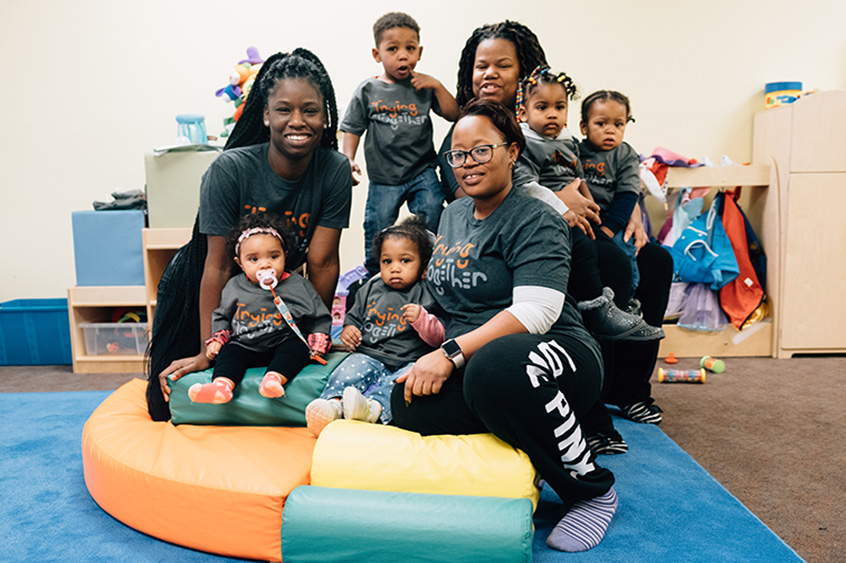
At the earliest stages of your child’s life, it may seem like they can’t do too much. But that’s not true! Infants and toddlers are always learning and developing. To learn how you can support the early development of your young child, read the facts and opportunities highlighted below.
What is Developmentally Appropriate Practice?
Developmentally Appropriate Practice (DAP) is the approach early care and education professionals use to teach young children. Developmentally Appropriate Practice:
-
- is grounded in research on how young children learn;
-
- provides a connection to real-world experiences and opportunities to gain knowledge and skills through hands-on learning;
-
- prepares children for future learning; and
-
- acknowledges the role of play in learning and development.
Facts and Opportunities
FACT: All children, including babies, learn through play. Play is an important way that young children bond with their caregivers; develop cognitive, physical, social, and emotional skills; and build an understanding of the world around them.
-
- Regularly touching, talking, and responding to your child’s sounds and needs will solidify the bond between you and your child. Look your baby in the eyes, sing songs to them, and interact with them regularly through play activities.
-
- A simple game of peekaboo not only leaves your baby giggling and smiling, but it also provides a chance for children to make eye contact with their caregiver; practice their arm and head movements; and learn that even if a person or object disappears from their view, it still exists somewhere else.
-
FACT: Starting from birth, meaningful play experiences help your child build background knowledge, imagination, and rational thought that enables academic skill development. In fact, play is the primary way your child uses language and math concepts.
-
- As an infant or toddler, your child is taking in new sights, sounds, smells, and sensations. Broaden your child’s horizon by taking a stroll through nature, narrating what you see, smell, hear, and feel during the journey. This will expose your baby to new vocabulary through a positive outdoor experience.
-
- Support your child’s ability to make choices that interest them as a way to guide their math and literacy skills. Start by providing multiple book and activity options to your child and let them choose the one they are interested in.
-
- Find a playful way to introduce math concepts. For example, you can use healthy food items like apple slices, grapes, or raisins to introduce concepts of adding, subtracting, and grouping during snack time. Use words like more, less, first, after, rectangle, circle, heavier, and other common math terms.
FACT: In addition to learning skills like counting and speaking in sentences, it’s important for children to practice social, emotional, and physical skills that support their future success inside and outside of the classroom.
-
- With supervision, give your baby their own spoon at mealtime or give them a child-safe bowl and spoon to play with. You can also give your baby blocks and balls to strengthen their grip, practice their holding skills, and improve dexterity.
-
- Be expressive with your face and make eye contact with your child. This will teach them different social expressions that help with non-verbal communication. Use your eyes and hands to point to something to teach the child how to follow other people’s cues. You can also introduce your child to the names of emotions during this time.
-
- Encourage social skill development by providing opportunities for your child to meet and play with family members, friends, and caregivers. This allows children to develop relationships with people other than the parent or primary caregiver and helps build feelings of trust.
FACT: While caregiver-child play is important, unsupervised child-led play helps children become independent and make decisions.
-
- Provide opportunities for your child to practice sharing, teamwork, creativity, and independence by inviting other children over for a playdate (when possible). Gather a box of household items like clothes, child-safe dishes, books, and more and let the children determine how they will use them.
-
- Introduce your child to new items and materials. Let them touch the items and work to figure out what they do and how they work. If your child is expressing frustration, provide them with a quick demonstration or how-to. After that, let your child take the lead and try it out themselves.
-
- Include times throughout the day where your child must direct their own play. In a safe environment (preferably a location with a baby monitor), leave your child unattended with child-safe play items for a short period of time. Monitor how your child handles the situation and if they play with the items. Each time you leave, stay away for a bit longer to encourage the development of self-regulation skills.
Print this Resource
To learn more and view the full guide, view the free printable PDF of this resource (English) (Español). Additional information is available. To learn more, please visit our Developmentally Appropriate Practice: A Guide for Parents page.
About
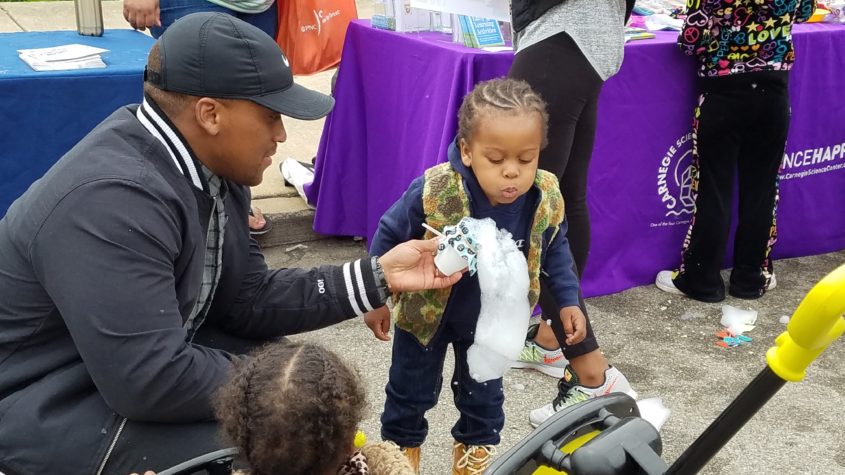
Early childhood is an important time when children experience rapid development, learn important skills, and learn more about the world around them. To learn how you can support the early development of your child, read the facts and opportunities provided below.
What is Developmentally Appropriate Practice?
Developmentally Appropriate Practice (DAP) is the approach early care and education professionals use to teach young children. Developmentally Appropriate Practice:
-
- is grounded in research on how young children learn;
-
- provides connection to real-world experiences and opportunities to gain knowledge and skills through hands-on learning;
-
- prepares children for future learning; and
-
- acknowledges the role of play in learning and development.
Facts and Opportunities
FACT: Meaningful play experiences help your child build background knowledge, imagination, and rational thought that enables academic skill development. Consider:
-
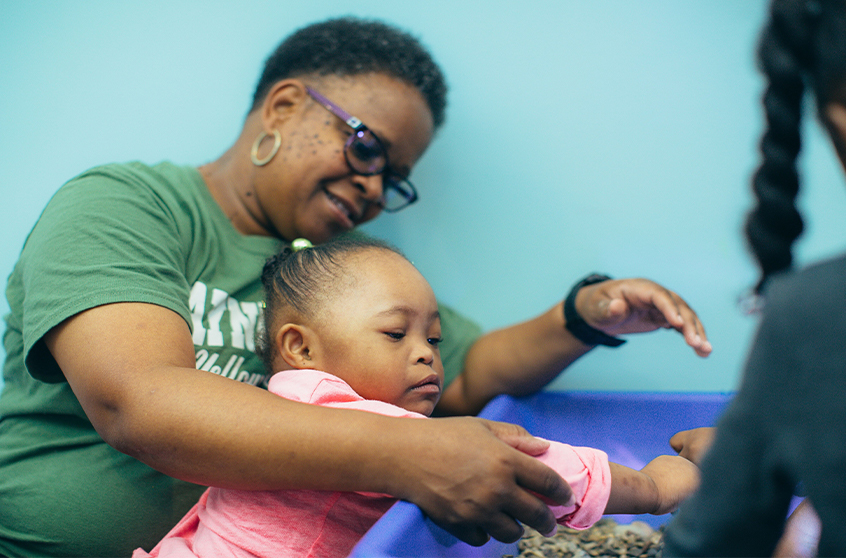
- Playing with your child in a water table helps them understand math concepts like shapes and measurements, as well as science concepts like float, sink, and waves.
-
- Asking your child questions about observed activities, encouraging experimentation, and helping them understand cause and effect relationships during play.
-
- Including playful elements like using reusable materials to create their own inventions.
FACT: Play is the primary way your child uses language and math concepts. Consider:
-
- Allowing your child to construct stories during imaginative play will later become the foundation for creative writing.
-
- Helping your child recreate elements of familiar books during play, demonstrating the understanding of characters, emotions, and empathy.
-
- Supporting your child to make choices that interest them as a way to guide their math and literacy skills.
-
- Asking what strategies your child’s teacher uses for reading instruction.
-
- Asking if worksheet and book activities are made playful.
FACT: Dramatic play helps your child develop executive functioning and the ability to self-regulate. Consider:
-
- During dramatic play, take turns with your child contributing ideas into imagined scenarios.
-
-
- Providing your child with opportunities to make choices in their learning.
FACT: Physical movement—including the freedom to play—helps your child improve his/ her behavior and attention. Consider:
-
-
-
- Asking your child’s teacher if physical activity is part of the classroom routine.
Print this Resource
To learn more and view the full guide, view the free printable PDF of this resource (English) (Español). Additional information is available for parents and caregivers of infants and toddlers. To learn more, visit our Developmentally Appropriate Practice: A Guide for Caregivers of Infants and Toddlers page.
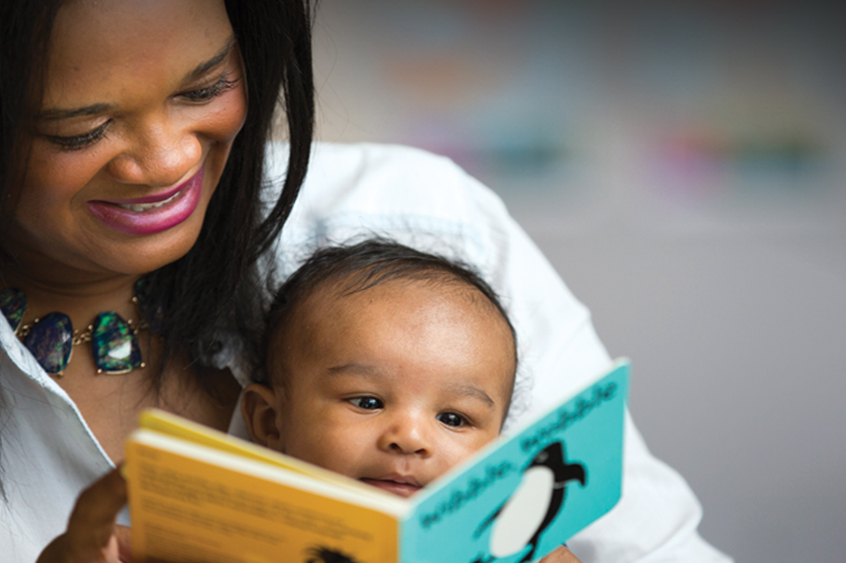
Creating high-quality learning experiences at the earliest stages of your child’s life
As an early childhood nonprofit, Trying Together recognizes that a child’s parent is their first and most important caregiver.
From the moment a caregiver meets their child, whether that is through birth, adoption, fostering, or guardianship, parents use their instincts and experiences to guide their personal caregiving style. Caregivers’ perspectives are valuable and can be especially powerful in supporting children’s long-term success when paired with research and science on the way that children learn and develop.
Evidence-based research shows that children’s brains develop rapidly from zero to age five. Through consistent and caring daily interactions with their children, parents and other caregivers are able to build healthy relationships with and best support the early development and learning of their children. When children grow up in safe environments with engaged, supportive caregivers, the positive effects are felt throughout their lifetime. But where do caregivers go to find information and resources that help them do this?
Through the family resource series Developmentally Appropriate Parenting, Trying Together assists parents and caregivers like you in creating high-quality learning experiences at the earliest stages of your child’s life.
About the Series
Developmentally Appropriate Parenting is a family resource content series developed by Trying Together as an effort to empower caregivers to create high-quality experiences at the earliest stages of their child’s life. To do this, we are developing digital and print content for families that covers critical early childhood topics.
To stay up-to-date on available materials, sign up to receive our newsletter.
Featured Content
Use the list below to navigate through each series topic:
Request free printed materials from our Developmentally Appropriate Parenting Series.
Available Languages
Caregivers viewing our online resources can use the “Select Language” button in the top right corner of the screen to access the information in their native language.
Printed Materials
Request free printed materials from our Developmentally Appropriate Parenting Series. Printed materials are available in English and Spanish.
More Information
For questions about the Developmentally Appropriate Parenting series, email Trying Together at: info@tryingtogether.org.