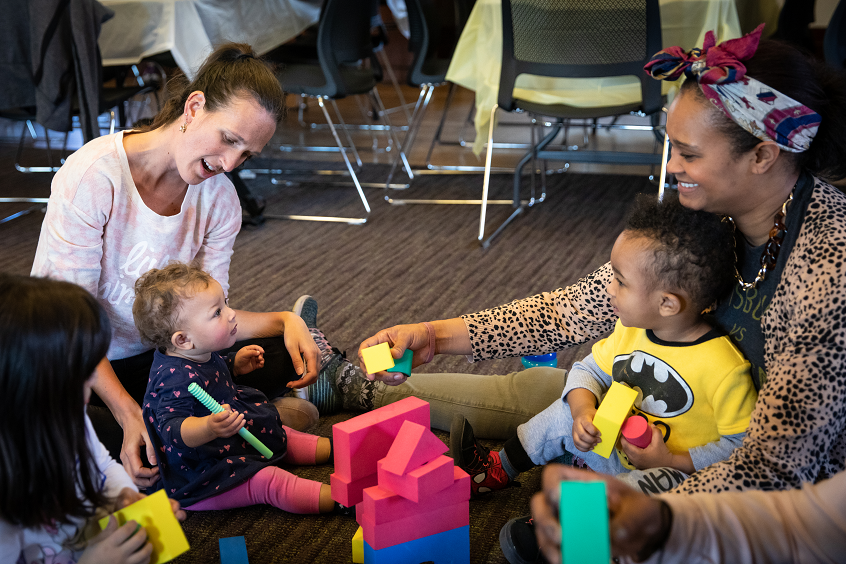
The Child Mind Institute recognizes that the new school year can bring new challenges for parents and educators alike. Parents play an important role in building a positive learning support at home through being responsive to children’s learning challenges or behavioral problems.
Register Here
About the Event
The Child Mind Institute will be hosting a virtual session on Helping Your Child Manage Back-to-School Stress. This hour-long call with expert clinicians will help parents learn how to use reinforcement and validation to support children in managing their anxiety. Specific coping strategies will be shared, along with information about how to tell when to seek professional support.
This event will take place on Wednesday, September 14 from 7 p.m. to 8 p.m. and will be hosted by Katie Peinovich, LCSW, a licensed clinical social worker for the School and Community Programs team at the Child Mind Institute. Ms. Peinovich provides evidence-based trauma treatment to children in the New York City public school system and works with parents, teachers and school administrators to deepen their understanding of childhood trauma, its impact, and how to connect affected children with high quality care.
Participants must pre-register for this webinar and will receive an invitation to their email.
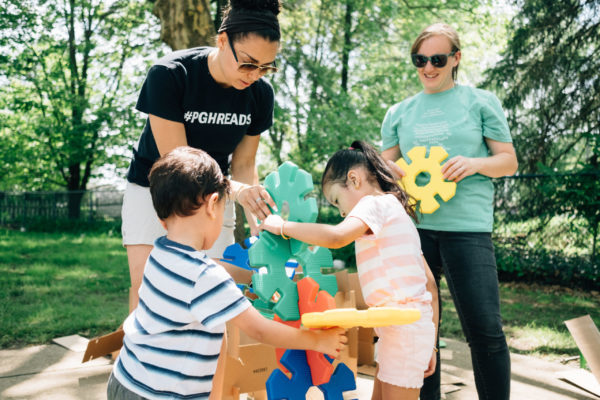
Are you interested in learning how mindfulness practices can impact a child’s ability to deal with stress, anxiety, and trauma? Join Megan Davis on November 19 for “Compassionate Classrooms: Mindfulness-Based Skills to Promote Resilience and Connection.”
About
The goal of this webinar is to introduce mindfulness skills that educators, therapists, and paraprofessionals can integrate into the classroom to build resiliency, distress tolerance, and connection. At the end of this session, you will have gained insight into how simple mindfulness practices directly impact our body’s ability to downregulate in the face of stress, anxiety, and trauma. You will be able to integrate concrete skills into your classroom to support students’, as well as your own, wellness.
Featured Topics
In this webinar, Megan Davis will:
-
- define a basic understanding of how stress impacts the nervous system and our ability to self-regulate,
- demonstrate breathing exercises to calm and balance an activated nervous system,
- demonstrate mindfulness exercises to regulate and widen the “window of tolerance”,
- help professionals plan for how and when to integrate skills into a typical school day (virtual or in-person),
- and provide opportunities to reflect on current self-care practices and how they translate to the culture of classroom wellness.
Registration
This webinar is best suited for K-12 teachers, librarians, school leaders, therapists, and counselors. To register, visit the EdWeb website.
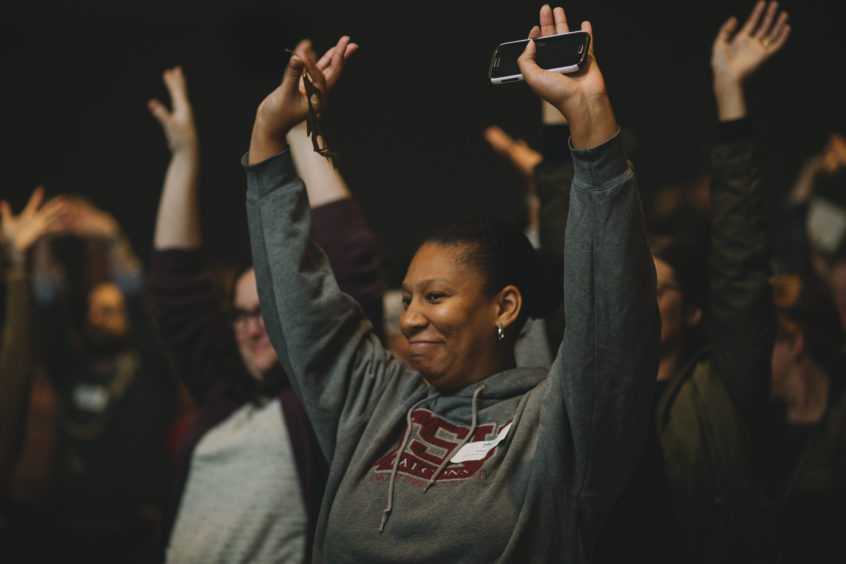
Join Brazelton Touchpoints Center on October 26 for “Building Resilience While Social Distancing: Parental Depression & Coping” to learn coping skills you can share with parents to address the effects of isolation in the short and long terms.
About
This webinar will explore the similarities between isolation and depression, paying close attention to the distinct needs and behaviors of parents suffering from depression and anxiety. Participants will learn coping skills they can share with parents to address the effects of isolation in the short and long terms. Participants will also learn when to consult with mental health professionals in their work with families.
Registration
To register and learn more, visit the event registration page. Space is limited.
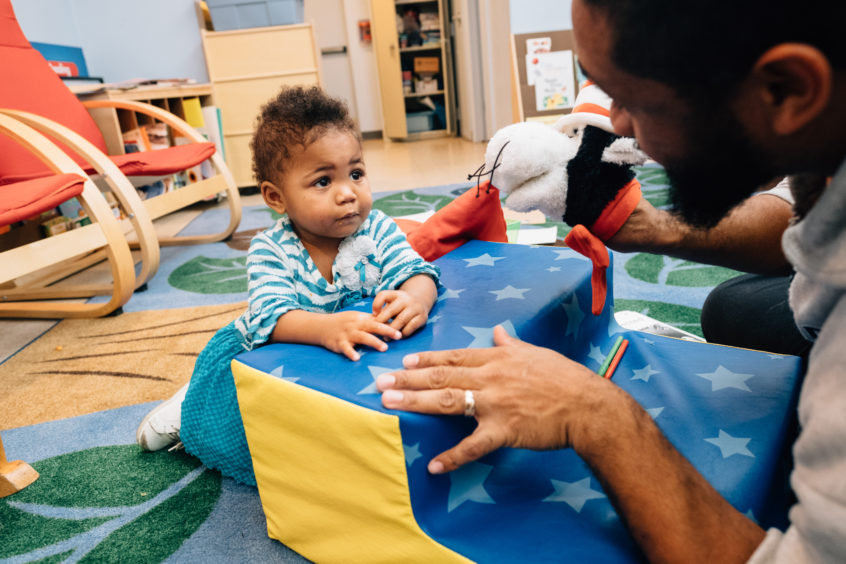
Are you interested in learning evidence-based tools parents, teachers, and children can use to self-soothe and regulate their emotions? Join Coach Troy Byer on September 22 for “Stress Management Tools and Techniques.”
About
In this webinar, Mind Care & Emotion Regulation Expert Troy Byer will highlight tools and tips parents, teachers, and children can use to self-soothe and regulate their emotions – especially when confronted with stressors, threats, or challenges.
Coach Troy will help participants learn exercises focused on self-soothing and emotion regulation techniques that address confusion, anger, anxiety, depression, and help children regulate their behavior. Participants will complete this webinar with a toolbox of organic, quick, effective, and fun techniques.
Featured Topics
This webinar will feature the following topics:
-
- how to use Emotion Regulation Finger Holds, how they work, and why they work so well;
-
- how to distinguish emotional triggers and how to deactivate a trigger before it is expressed negatively; and
-
- the importance of maintaining a state of peace and right brain/left brain coherence and how to organically regulate the experience.
Registration
To register, visit the event webpage.
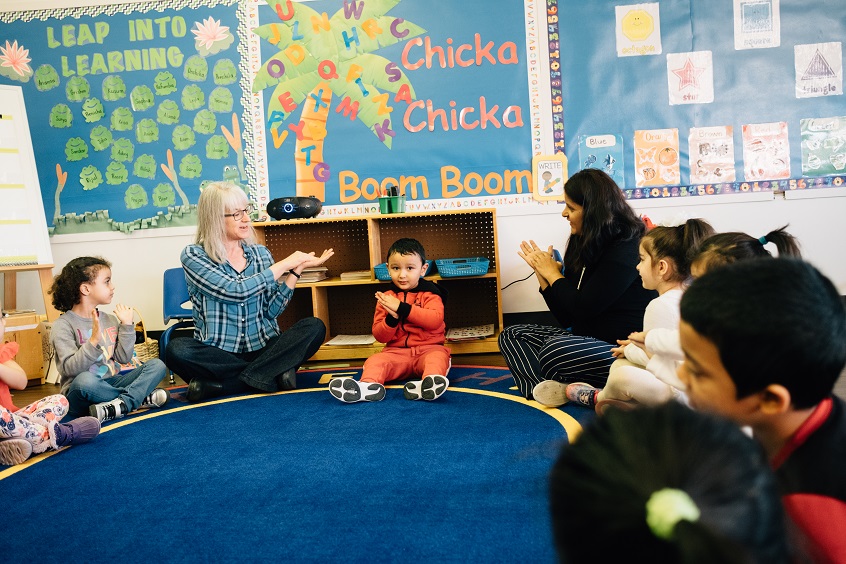
Join the Brazelton Touchpoints Center, the Center for Child and Family Well-being at the University of Washington, and the Center for Mindful Self-Compassion for their three-part webinar series, “Mindful Self-Compassion.”
About the Series
In response to the COVID-19 pandemic, the Brazelton Touchpoints Center, the Center for Child and Family Well-being at the University of Washington, and the Center for Mindful Self-Compassion have teamed up for a three-part webinar series that will introduce families and family-facing providers to mindful self-compassion (MSC) practices to help them care for themselves and each other.
Available Webinars
-
- Co-creating Heart Skills in Early Childhood Programs and Systems | June 24, 2020 | 3 p.m.
This third webinar will explore how early childhood programs and systems use mindfulness and self-compassion to support their providers and the families and communities they serve. Participants will learn about the approaches diverse early childhood organizations are taking to adapt and integrate mindfulness and compassion to deeply inform organizational culture and systems change.
More Information
For more information, visit the Brazelton Touchpoints Center website.
*Information provided by the Brazelton Touchpoints Center
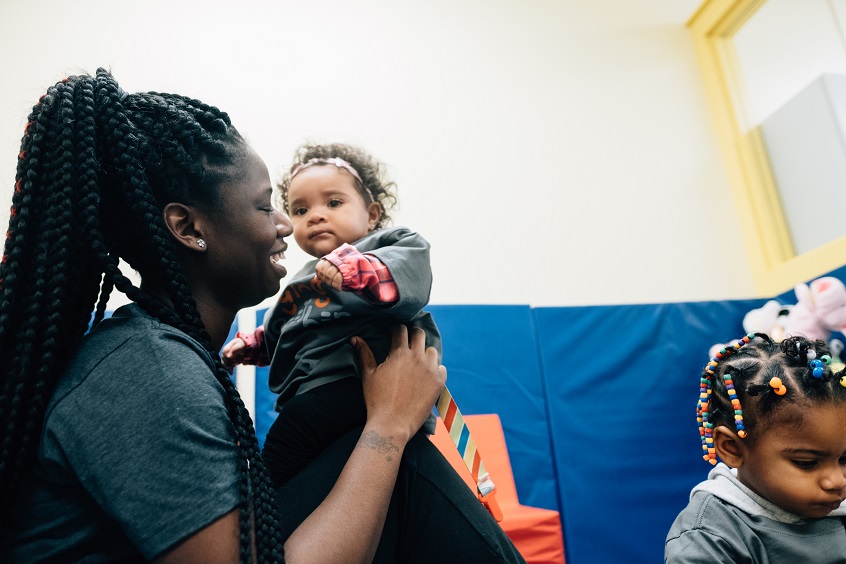
Join the Brazelton Touchpoints Center, the Center for Child and Family Well-being at the University of Washington, and the Center for Mindful Self-Compassion for their three-part webinar series, “Mindful Self-Compassion.”
About the Series
In response to the COVID-19 pandemic, the Brazelton Touchpoints Center, the Center for Child and Family Well-being at the University of Washington, and the Center for Mindful Self-Compassion have teamed up for a three-part webinar series that will introduce families and family-facing providers to mindful self-compassion (MSC) practices to help them care for themselves and each other.
Available Webinars
-
- Heart Skills for Our Families and Ourselves in Challenging Times | April 29, 2020 | 3 p.m.
This first webinar will provide an introduction to MSC, the research that supports it, and a few simple ways we can bring it into our lives during these challenging times. Participants will learn how MSC is being practiced in diverse communities around the world, can build resilience in all kinds of families, reduce caregiver burnout, and strengthen relationships. Participants also will have a chance to experience MSC through a few brief practice exercises during the webinar.
-
- Co-Creating Heart Skills with Communities | May 13, 2020 | 3 p.m.
This second webinar will explore how communities can create culturally relevant, trauma-informed mindfulness, and self-compassion programs. Representatives from a team of parent leaders and health care partners in Seattle, Washington, will share their experience developing community-led mindfulness and self-compassion practices to promote the well-being of youth, families, and communities who are marginalized.
-
- Co-creating Heart Skills in Early Childhood Programs and Systems | June 24, 2020 | 3 p.m.
This third webinar will explore how early childhood programs and systems use mindfulness and self-compassion to support their providers and the families and communities they serve. Participants will learn about the approaches diverse early childhood organizations are taking to adapt and integrate mindfulness and compassion to deeply inform organizational culture and systems change.
More Information
For more information, visit the Brazelton Touchpoints Center website. For more courses, visit our Course page.
*Information provided by the Brazelton Touchpoints Center
Families caring for young children during this time with little outside social support or respite can be at risk for an increase in harsh disciplinary practices, abuse, or neglect. If you are an early learning professional, join Zero to Three on April 29 for their webinar, “Attending to Risks of Abuse and Neglect During COVID-19 Pandemic Response: Early Childhood Educators.”
About
Recent protocols around social distancing and sheltering in place have created substantial changes in family lifestyles and professional practice. For some families, staying home together has had positive impacts on their quality of time together, strengthening relationships. For many families, this social isolation is also coupled with anxiety around health concerns and financial security.
Objectives
During this webinar, early childhood educators will learn the following:
-
- how to assess and address risks and signs of abuse and neglect in an early childhood education setting while simultaneously adjusting protocols specific to COVID-19 in these settings;
-
- how to maintain relationships through virtual contacts when programs are closed and assess risk through virtual interactions;
-
- the importance of reflective practice for early childhood educators who are often facing many of their own individual and family challenges during this time; and
-
- about resources specific to early childhood education.
Register
To register, visit the event webpage.
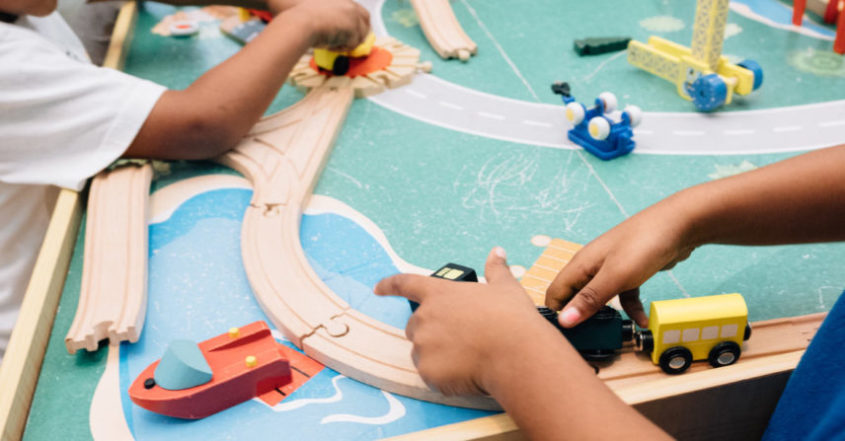
Practice mindfulness with Maria Gehl, an internationally recognized leader in mindfulness in early childhood. During these 15-minute weekly sessions, Maria will guide participants through simple yet effective techniques to use throughout each day to manage stress and anxiety.
Register
To register, visit the event webpage.
*Information provided by Zero to Three
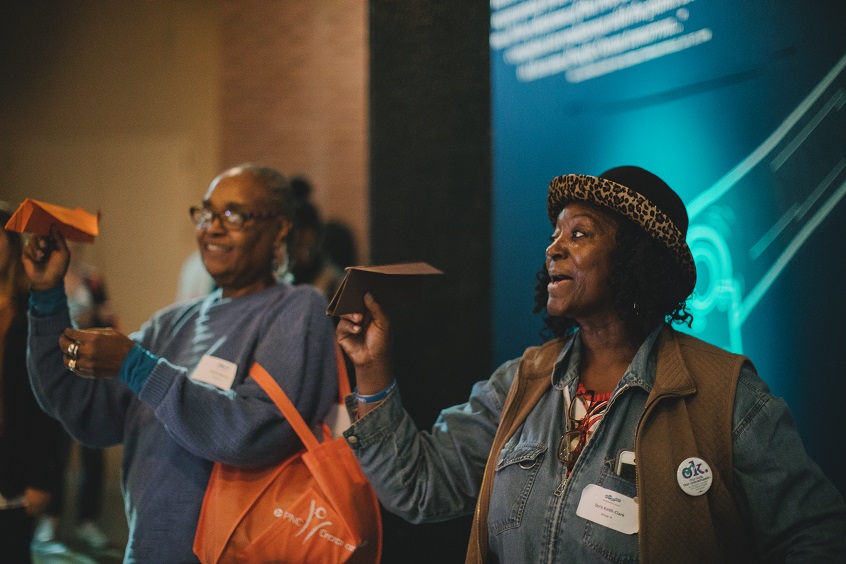
About
In the United States and abroad, Coronavirus Disease 2019 (COVID-19) threatens our health, disrupts our routines, and undermines our financial and economic well-being. Diagnoses of anxiety in children were at a peak even before the coronavirus provided more cause for alarm.
Join EmbraceRace for their webinar “Supporting Children in the Struggle Against COVID-19” for a conversation with a developmental-behavioral pediatrician, based in Houston, and a child psychologist, based in the Bay Area, about how parents, guardians, and other caregivers can best protect children in these difficult times. Time will be provided for questions and comments.
Registration
To register and learn more, visit the event webpage.
Are you interested in gaining insight on the detection and diagnosis of perinatal mood and anxiety disorders and on new and existing treatment options? Join Washington County Behavioral Health and Developmental Services (BHDS) on October 30 for their free Postpartum Depression Symposium!
About
Guest speakers will include experts in the field as well as a video featuring local mothers who have been impacted by perinatal depression, anxiety, or other mood disorders. Resource tables will also be available. Lunch and snacks included.
-
- Rebecca J. Weinberg, PsyD
Clinical Psychologist, Allegheny Health Network
- Dr. Priya Gopalan, MD
University of Pittsburgh School of Medicine / UPMC Magee-Women’s Hospital
- Robert Gallen, PhD, IMH-E®
Associate Professor of Psychology, University of Pittsburgh
- Stephanie D. Wier, LPC, NCC, BSL
Mental Health Therapist, Sprout Center for Emotional Growth and Development, LLC
Co-Sponsors
Registration
To register, visit the symposium Eventbrite page!
Learn More
For questions, contact Washington County BHDS at 724.228.6832.