Strategies to Support DLLs and Their Families

News

October 30, 2020

Strategies to Support DLLs and Their Families

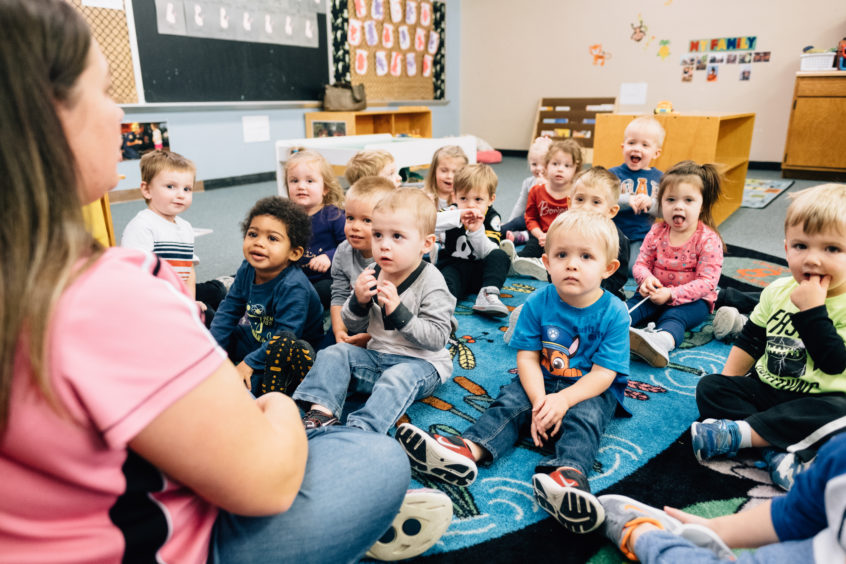
Are you interested in learning strategies to support dual language learners (DLLs) and their families? Join presenters Lea Ann Christenson, Ph.D., and Nadia J. Jones, Ed.D., on November 10 for “Strength in Diversity: Practical Theory and Strategies to Support DLLs and Their Families.”

About

This webinar will cover practical theory, easy-to-use advice, and strategies to support dual language learners and their families. In addition, participants will learn how to cultivate empathy, perspective, and high expectations for all children. The content of this webinar can also benefit English-only (EO) young children and their families. Time for questions will be provided.

Featured Topics

Participants will walk away with the conceptual understanding of the content which they can put to use in their classrooms, schools, and centers immediately. Educators will learn:

    • demographics of young DLLs in classrooms today,
    • the basics of second-language acquisition theory,
    • effective teaching strategies and principles of instruction,
    • how and why honoring the home language supports English acquisition, and
    • tips for engaging the families of DLLs.

Registration

This webinar is best suited for anyone in the early childhood field, including teachers, instructional aides, administrators, and district office personnel. To register, visit the EdWeb website.

Benefits of Having a PD Registry Profile

News

October 21, 2020

Benefits of Having a PD Registry Profile

Do you have a Pennsylvania PD Registry profile? If not, you are missing out on features that could help you schedule professional development, request financial assistance, and more.

What is the PD Registry?

The Pennsylvania Professional Development (PD) Registry is an online system that functions as a “workforce registry” by tracking the professional accomplishments of registered individuals, providing important data about the early childhood workforce, and highlighting a consolidated list of available professional development opportunities.

Data collected through the PD Registry—including data such as length of time in the field, education level, and wages—is also used to advocate for better education opportunities and higher wages for professionals in Pennsylvania.

Benefits

Early Learning and School-Age Professionals

Through the PD Registry, early learning and school-age professionals can:

    • track their employment, education, and training history;
    • complete a professional development self-assessment to plan upcoming training;
    • register for in-person and online professional training that offers PQAS and Act 48 credit;
    • begin an application for financial assistance if eligible;
    • keep track of CPR, First Aid, and Fire Safety expiration dates;
    • and more.
Program Directors

Through the PD Registry, Program Directors can:

    • track staff completion of Bureau of Certification and Keystone STARS training requirements;
    • access verified staff qualifications for meeting Certification and Keystone STARS requirements;
    • support staff with professional development planning; and
    • register staff members for training using the statewide training calendar.

Creating an Account

If you don’t have an account, visit the PD Registry website to create one. For assistance, view this step-by-step tip sheet on how to create an account or contact pdregistry@pakeys.org.

More Information

Additional tip sheets and resources are available for new users, existing users, and program directors. For more information, view this document or visit the Pennsylvania Key website.

Using Ages and Stages Questionnaires® as a Screening Tool

News

October 19, 2020

Using Ages and Stages Questionnaires® as a Screening Tool

This event is full. Additional Ages and Stages courses will be offered in January 2021. 

Are you interested in learning how to use Ages and Stages Questionnaires® as a screening tool for children ages three months to five years? Join Trying Together on November 7 for our virtual course, “Using Ages and Stages Questionnaires® as a Screening Tool.”

About

During this course, participants will learn how to use the ASQ® and ASQ:SE® as a screening tool for children ages three months to five years. The session will provide information on how to administer and score the screener and share results of the screener with families. Information about additional resources for making referrals to services will be included if needed.

Session Details

    • Session Date: Saturday, November 7, 2020  |  9:00 – 11:30 a.m.
    • Instructor: Pamela Zimmerman
    • Core Knowledge Area: Assessment
    • CDA Content Area: Observing & Recording Behavior
    • Registration Deadline: Thursday, November 5, 2020

Registration

To register, visit the course PD Registry page. Space is limited. Participants will receive the course Zoom link via email within 24 hours before the start date for the course. PQAS and Act 48 credit available.

If you do not have a PD Registry account, please complete this online form to create one. If you are unable to create an account, please contact pdregistry@pakeys.org for more information.

More Information

For questions or more information, contact Jasmine Davis at jasmine@tryingtogether.org.

Using Ages and Stages Questionnaires® as a Screening Tool

News

Using Ages and Stages Questionnaires® as a Screening Tool

This event is full. Additional Ages and Stages courses will be offered in January 2021. 

Are you interested in learning how to use Ages and Stages Questionnaires® as a screening tool for children ages three months to five years? Join Trying Together on November 14 for our virtual course, “Using Ages and Stages Questionnaires® as a Screening Tool.”

About

During this course, participants will learn how to use the ASQ® and ASQ:SE® as a screening tool for children ages three months to five years. The session will provide information on how to administer and score the screener and share results of the screener with families. Information about additional resources for making referrals to services will be included if needed.

Session Details

    • Session Date: Saturday, November 14, 2020  |  9:00 – 11:30 a.m.
    • Instructor: Pamela Zimmerman
    • Core Knowledge Area: Assessment
    • CDA Content Area: Observing & Recording Behavior
    • Registration Deadline: Thursday, November 12, 2020

Registration

To register, visit the course PD Registry page. Space is limited. Participants will receive the course Zoom link via email within 24 hours before the start date for the course. PQAS and Act 48 credit available.

If you do not have a PD Registry account, please complete this online form to create one. If you are unable to create an account, please contact pdregistry@pakeys.org for more information.

More Information

For questions or more information, contact Jasmine Davis at jasmine@tryingtogether.org.

Using Ages and Stages Questionnaires® as a Screening Tool

News

Using Ages and Stages Questionnaires® as a Screening Tool

This event is full. Additional Ages and Stages courses will be offered in January 2021. 

Are you interested in learning how to use Ages and Stages Questionnaires® as a screening tool for children ages three months to five years? Join Trying Together on November 17 for our virtual course, “Using Ages and Stages Questionnaires® as a Screening Tool.”

About

During this course, participants will learn how to use the ASQ® and ASQ:SE® as a screening tool for children ages three months to five years. The session will provide information on how to administer and score the screener and share results of the screener with families. Information about additional resources for making referrals to services will be included if needed.

Session Details

    • Session Date: Saturday, November 17, 2020  |  6:00 – 8:30 p.m.
    • Instructor: Pamela Zimmerman
    • Core Knowledge Area: Assessment
    • CDA Content Area: Observing & Recording Behavior
    • Registration Deadline: Sunday, November 15, 2020

Registration

To register, visit the course PD Registry page. Space is limited. Participants will receive the course Zoom link via email within 24 hours before the start date for the course. PQAS and Act 48 credit available.

If you do not have a PD Registry account, please complete this online form to create one. If you are unable to create an account, please contact pdregistry@pakeys.org for more information.

More Information

For questions or more information, contact Jasmine Davis at jasmine@tryingtogether.org.

Using Ages and Stages Questionnaires® as a Screening Tool

News

Using Ages and Stages Questionnaires® as a Screening Tool

This event is full. Additional Ages and Stages courses will be offered in January 2021. 

Are you interested in learning how to use Ages and Stages Questionnaires® as a screening tool for children ages three months to five years? Join Trying Together on November 20 for our virtual course, “Using Ages and Stages Questionnaires® as a Screening Tool.”

About

During this course, participants will learn how to use the ASQ® and ASQ:SE® as a screening tool for children ages three months to five years. The session will provide information on how to administer and score the screener and share results of the screener with families. Information about additional resources for making referrals to services will be included if needed.

Session Details

    • Session Date: Saturday, November 20, 2020  |  6:00 – 8:30 p.m.
    • Instructor: Pamela Zimmerman
    • Core Knowledge Area: Assessment
    • CDA Content Area: Observing & Recording Behavior
    • Registration Deadline: Wednesday, November 18, 2020

Registration

To register, visit the course PD Registry page. Space is limited. Participants will receive the course Zoom link via email within 24 hours before the start date for the course. PQAS and Act 48 credit available.

If you do not have a PD Registry account, please complete this online form to create one. If you are unable to create an account, please contact pdregistry@pakeys.org for more information.

More Information

For questions or more information, contact Jasmine Davis at jasmine@tryingtogether.org.

Update: COVID-19 Child Care Operations

News

October 7, 2020

Update: COVID-19 Child Care Operations

On September 29, the Office of Child Development and Early Learning (OCDEL) issued an announcement to provide certified child care facilities with interim guidance for operating a facility during the COVID-19 pandemic. This announcement replaces C-20-06-Revised.

About

The announcement includes guidance on a range of health and safety considerations. Early learning professionals can review the guidance document in its entirety online. For examples of this guidance, continue reading below.

Reopening

Practices, Policies, and Procedures

    • Implement drop-off and arrival procedures: post signage to maintain social distancing; encourage the same designated person to drop off and pick up the child every day; set up hand hygiene stations; keep hand sanitizer out of children’s reach and supervise use; stagger arrival and pick up times; transport infants in their car seats; etc.
    • Implement daily screening procedures: conduct a screening of any person entering the building; do not allow people who have tested positive for COVID-19 or who are showing symptoms to enter the building; ask caregivers to take their child’s temperature before coming to the facility and check their temperature again upon arrival; maintain at least six feet of distance from the parent and child; ask the child’s caregiver if any symptoms are present; put on disposable gloves; etc.
    • Implement disinfecting and sanitation procedures: clean and sanitize toys; develop a schedule for routinely cleaning and disinfecting; keep cleaning materials out of the reach of children; don’t use products near children; ensure adequate ventilation; etc.

Social Distancing in Child Care Settings

    • If possible, child care classes should include the same group each day, and the same child care providers should remain with the same group each day.
    • If your child care program remains open, consider creating a separate classroom or group for the children of healthcare workers and other first responders.
    • Consider whether to alter or halt daily group activities that may promote transmission. Cancel or postpone special events such as festivals, holiday events, and special performances.
    • Limit the mixing of children, such as staggering playground times and keeping groups separate for special activities such as art, music, and exercising. Keep each group of children in a separate room.
    • If possible, at nap time, ensure that children’s naptime mats (or cribs) are spaced out as much as possible, ideally 6 feet apart. Consider placing children head to toe in order to further reduce the potential for viral spread.

Face Coverings

    • If a child is outdoors and able to consistently maintain a social distance of at least 6 feet from individuals who are not a part of their household, they do not need to wear a face covering.
    • If a parent, guardian, or responsible person has been unable to place a face covering safely on the child’s face, they should not do so.
    • If a child two years old or older is unable to remove a face covering without assistance, the child is not required to wear one.
    • If experiencing issues with getting younger children comfortable wearing face coverings and keeping them on, parents, guardians, licensed child care providers in community-based and school settings or responsible persons may consider prioritizing the wearing of face coverings to times when it is difficult for the child to maintain a social distance of at least 6 feet from others who are not a part of their household (drop-off, pick-up, standing in line, etc.).

Confirmed COVID-19 Cases and Exposure

    • The facility must develop a process to inform facility persons of possible exposure to a positive COVID-19 case. The operator shall inform parents of enrolled children when there is a suspected outbreak of a communicable disease or an outbreak of an unusual illness that represents a public health emergency in the opinion of the Department of Health.
    • If the child is in care when the test results are confirmed positive, the child must be isolated until the appropriate party arrives to pick them up. The child’s parent must be notified as soon as possible.
    • If a facility person or child tests positive for COVID-19, areas used by the person who tested positive must be closed for a period of 24 hours following the confirmed positive COVID-19 case of a child or facility person in attendance so that the facility can be cleaned and disinfected properly. Close contacts must self-quarantine.
    • If a facility person, household member, or a child is exposed to an individual who tests positive for COVID-19, they shall self-quarantine for a period of 14 days based on the CDC guidance.

Reporting

    • If a facility person/child is a potential exposure AND has COVID-19 like symptoms, please report to the Department of Health or your local health department.
    • The facility must report positive COVID-19 cases to the Department of Health. Facilities within the counties listed on page 13 of the announcement must report positive cases to their local health department, who will in turn report this information to the Department of Health.
    • The facility must report positive COVID-19 cases and positive COVID-19 cases that result in death to their Department of Human Services (DHS) Certification Representative. Facilities must utilize the DHS Licensed Facility COVID Data Collection Tool.

Timeline for Returning to Care

    • Individuals with COVID-19 who have symptoms and were directed to care for themselves at home: discontinue isolation after at least 24 hours have passed since recovery (defined as the resolution of fever without the use of fever-reducing medication and the improvement of symptoms), AND at least 10 days after symptoms first appeared.
    • Persons with laboratory-confirmed COVID-19 who have not had any symptoms and were directed to care for themselves at home: discontinue isolation after no less than 10 days have passed since the date of their first positive COVID-19 diagnostic test, provided no symptoms have developed during that 10-day period.
    • Symptomatic child/facility persons who are not tested: exclude for 10 days from symptom onset AND at least 24 hours after fever resolution (if present) without the use of fever-reducing medication AND improved respiratory symptoms.
    • Symptomatic child/facility persons determined by a health care provider to have an illness other than COVID-19: exclude until without a fever for 24 hours (if fever present) without the use of fever-reducing medication and symptoms improve.
    • Symptomatic child/facility persons with test negative: exclude until without a fever for 24 hours (if fever present) without the use of fever-reducing medication AND improved respiratory symptoms.

Additional Resources

More Information

This information was provided by OCDEL. For questions or concerns, please contact the regional OCDEL office at 800.222.2149. For more information, read the full announcement.

Promoting Inclusion in ECE Programs

News

October 6, 2020

Promoting Inclusion in ECE Programs

On September 30, the Office of Child Development and Early Learning (OCDEL) released guidance on strategies early learning programs should use to ensure all young children with disabilities and their families have access to high-quality, inclusive programming.

About

OCDEL issued this announcement to provide guidance on strategies that promote inclusion for all students, set an expectation for high-quality programs to be inclusive of children with disabilities, and identify resources available to local early learning programs.

Who Does This Apply To?

Effective October 1, 2020, this announcement applies to both federally- and state-funded programs, including Child Care Works, Child Care Certification, Early Head Start, Head Start, Early Intervention, Home Visiting programs, Keystone STARS, Head Start Supplemental Assistance Program, Pennsylvania Pre-K Counts, and Family Centers.

Next Steps

To promote inclusion, local early learning programs must complete the following actions:

1. In collaboration with program staff and families:

    • develop and implement a written program policy that focuses on actively including young children with disabilities in your early learning program;
    • review and modify existing policies, practices, and procedures to ensure barriers are removed that would prevent children with disabilities from accessing or participating in your early learning program; and
    • develop resources for effective communication between families and program staff to ensure families know the benefits of and their rights related to inclusion.

2. Assess staff competencies and implement professional development, which includes family perspectives, related to inclusion based on the needs of staff and families.

3. Seek assistance from your local Early Learning Resource Center (ELRC) to identify examples of inclusive program policies, structures, and activities to provide models of dissemination and replication throughout Pennsylvania.

4. Develop and strengthen partnerships between your program and Early Intervention programs so that supports and services for children with disabilities can be provided within the daily routines and activities of high-quality early learning programs.

5. Participate in ongoing opportunities for stakeholder input and professional development opportunities on additional OCDEL guidance related to the inclusion of all children.

6. Implement this policy in conjunction with the Announcement, Reduction of Expulsion and Suspension in Early Childhood Programs in Pennsylvania and any additional guidance related to the inclusion of all children.

OCDEL’s Support

To promote practices that support the inclusion of all young children in early learning programs, OCDEL will complete the following actions:

1. In collaboration with and input from stakeholders and families, OCDEL will:

2. OCDEL will provide individualized support, including on-site coaching and consultation, to OCDEL-funded programs.

3. Through the ELRCs, OCDEL will:

    • identify opportunities for community partnerships to promote inclusion, including partnerships for providing individualized support, professional development, and other capacity-building resources;
    • provide support and guidance to assist child care programs to progress in their Keystone STAR level rating; and
    • support child care programs to understand their vital role in supporting inclusion.

More Information

For more information, read the full announcement.
Remix! New Ways to Play Using STEM Provocations

News

October 1, 2020

Remix! New Ways to Play Using STEM Provocations

Are you interested in stimulating curiosity in your classroom to build children’s STEM skills? Join Trying Together on Monday, October 12 for our online course, “Remix! New Ways to Play Using STEM Provocations.”

About

In this course, participants will explore building early Science, Technology, Engineering, and Math (STEM) skills by using classroom resources in fun new ways, with materials you already have. Re-energize your science table, or bring STEM play into a new classroom area using research-based (and kid-tested) recommendations.

Session Details

    • Session Date: Monday, October 12, 2020  |  5:00 – 7:00 p.m.
    • Instructors: Jasmine Davis and Wendy Brenneman
    • Core Knowledge Area: Curriculum and Learning Experiences
    • CDA Content Area: Safe, Healthy Learning Environment
    • Registration Deadline: Saturday, October 10, 2020

Registration

To register, visit the course PD Registry page. Space is limited. Participants will receive the course Zoom link via email within 24 hours before the start date for the course. PQAS and Act 48 credit available.

If you do not have a PD Registry account, please complete this online form to create one. If you are unable to create an account, please contact Jasmine Davis at jasmine@tryingtogether.org for more information.

More Information

For questions or more information, contact Jasmine Davis at jasmine@tryingtogether.org.

Using Ages and Stages Questionnaires® as a Screening Tool

News

September 30, 2020

Using Ages and Stages Questionnaires® as a Screening Tool

This event is full. Additional Ages and Stages Questionnaires® courses will be available soon. 

Are you interested in learning how to use Ages and Stages Questionnaires® as a screening tool for children ages three months to five years? Join Trying Together on October 12 for our virtual course, “Using Ages and Stages Questionnaires® as a Screening Tool.”

About

During this course, participants will learn how to use the ASQ® and ASQ:SE® as a screening tool for children ages three months to five years. The session will provide information on how to administer and score the screener and share results of the screener with families. Information about additional resources for making referrals to services will be included if needed.

Session Details

    • Session Date: Monday, October 12, 2020  |  9:00 a.m. – 12:00 p.m.
    • Instructor: Pamela Zimmerman
    • Core Knowledge Area: Assessment
    • CDA Content Area: Observing & Recording Behavior
    • Registration Deadline: Saturday, October 10, 2020

Registration

To register, visit the course PD Registry page. Space is limited. Participants will receive the course Zoom link via email within 24 hours before the start date for the course. PQAS and Act 48 credit available.

If you do not have a PD Registry account, please complete this online form to create one. If you are unable to create an account, please contact Jasmine Davis at jasmine@tryingtogether.org for more information.

More Information

For questions or more information, contact Jasmine Davis at jasmine@tryingtogether.org.