In our currently expensive age, it’s common for young adults – especially recent college graduates – to live at home with their parents or caregivers.
Some may be looking for a job, while others might have one that doesn’t pay enough to enable them to live on their own yet. But some adult children live at home for a longer period without going to school, working, or looking for work.
The Child Mind Institute has released a set of resources for caregivers with highly-dependent adult children – known as “failure to launch syndrome” – that describes what can be done for children who are not moving forward.
Learn More
The series includes an article on what constitutes highly-dependent adult children as well as the difference between supporting children facing mental health challenges and enabling their dependence.
Another piece examines research that has found that carefully pulling back on accommodations, using principles from a treatment that has been effective in children with anxiety or OCD, can encourage highly-dependent adult children to take steps forward.
Mental health struggles can be a contributing factor to these scenarios, so the Child Mind Institute has included an article on signs that adolescents have anxiety or depression. There is also advice on how to help children develop the confidence they need to do hard things, which is an essential part of the growth process.
Below are the Child Mind Institute’s resources:
Children are often diagnosed with mental health or learning challenges in middle and high school after having struggled for years without support.
Some of them could have been identified and gotten help earlier if adults in their lives had recognized the signs. The Child Mind Institute has put together resources on how to keep an eye out for early signs of developmental disorders.
Learn More
The institute’s resources on how to recognize signs cover a number of developmental disorders, including autism, ADHD, nonverbal learning disorder (NVLD), and dyslexia.
One article focuses on NVLD at various ages, from preschool to high school, and how in young children it can show up as a motor delay or difficulty drawing shapes, building with blocks, or doing puzzles.
Another discusses how some of the earliest signs of autism include delays in simple gestures such as pointing and sharing objects with others. One resource focuses on how learning disorders such as dyslexia and dyscalculia often aren’t caught until a child is struggling to keep up in school, but there may be early signs in preschoolers, such as trouble with rhymes or counting.
A resource on ADHD in preschool discusses how identifying it early can help children get behavioral support they need to succeed when they get to elementary school. Anxiety and depression are covered in two other resources.
The Child Mind Institute’s resources include:
It can be challenging for caregivers during the process of seeking a diagnosis for a child, but even more so if they learn the child is struggling with two – or more – mental health or learning disorders.
Learn More
The Child Mind Institute has put together a series of resources on what experts call co-occurring disorders. Having multiple disorders is not unusual: One study found that 40 percent of adolescents diagnosed with a mental health disorder met the criteria for another.
Some of the most common combinations include autism and ADHD, anxiety and depression, ADHD and oppositional defiant disorder (ODD), and learning disorders together with anxiety or depression. Additionally, children with Tourette’s often have OCD or ADHD.
The institute’s resources include a piece on co-occurring disorders that examines why they happen frequently and how they affect treatment. In some cases, two disorders are diagnosed together, but one is often identified later when treatment for the first doesn’t resolve some symptoms.
Sometimes, a second disorder is developed as a result of a child’s struggles with the first – especially depression, anxiety, or substance abuse. In any of these cases, the conditions must be treated carefully for the child to thrive, as treatment for one could complicate the other, particularly if multiple medications are being used.
Below is the list of the Child Mind Institute’s resources on co-occurring disorders.
Seasonal affective disorder – also known by the acronym SAD – is a type of depression that comes and goes with the seasons.
For most people, the disorder appears in the winter months and fades when the weather gets warmer. The Child Mind Institute has put together some resources on how to tell if a child is feeling down due to the season or if they are dealing with something more serious.
Learn More
Experts aren’t exactly sure what causes SAD, but some believe that a lack of sunlight affects chemicals in the brain that impact mood and energy levels. However, a lot of people experience symptoms that look like depression during the winter.
SAD and other types of depression can be challenging to identify depending on how or when they appear. The institute provides resources on premenstrual dysphoric disorder, a type of depression tied to the menstrual cycle that is a severe form of the more common PMS.
There are articles on treatments for depression, including different types of therapy and medication, and a video in which experts explain how to recognize signs of mental health challenges in teens.
There is also a resource on behavioral activation, a therapy commonly used to treat SAD. The therapy involves getting children to do things – such as take a walk or talk to a friend – even if they don’t feel like it.
Below are the Child Mind Institute’s resources on seasonal affective disorder.

The Child Mind Institute will host a webinar on why girls are more likely than boys to suffer from depression and how to offer support.
Learn More
The free webinar will involve a discussion on how girls are twice as likely to experience depression, with six in 10 high school girls reporting persistent sadness.
Why More Girls Suffer from Depression and How to Support Them will help participants to understand why and learn how caregivers, educators, and professionals can offer support. A roundtable discussion will include doctors Lindsay Henderson, Omar Gudino, and Dionne Smith Coker-Appiah.
It will begin at 5:30 p.m. on Tuesday, Oct. 29. Registration is now open.
Are you interested in learning more about promoting familial mental health and well-being? Join Brazelton Touchpoint Center for a series of three sessions on various ways that professionals can support the families that they serve.
Sessions
This series features three sessions, each costing $35 or $90 for all three sessions. Registration is available online.
- October 20: Enhancing Partnerships Between Parents and Staff
- October 27: Understanding Depression and Fostering Resilience
- November 3: Talking with Children about Difficult Issues
More Information
Social-emotional wellness is essential for young children, their families, and the providers who work with them. Yet, promoting wellness and responding to the mental health needs of children and families may be challenging, especially during the ongoing pandemic. In this three-part series, you will learn knowledge and skills to strengthen relationships with adults and children and promote family well-being. You will:
- Learn practical strategies for building strong partnerships with families
- Learn the signs, symptoms, and causes of depression
- Explore communication challenges that can occur between staff and parents, and how to overcome them
- Enhance your understanding of resilience and how to partner with families to strengthen their resilience
- Learn how to talk more effectively with children about difficult issues
- Enhance your ability to support families seeking access to mental health services
This series is for all professionals who work with families of young children, including early care and education providers, family child care providers, home visitors, and more.
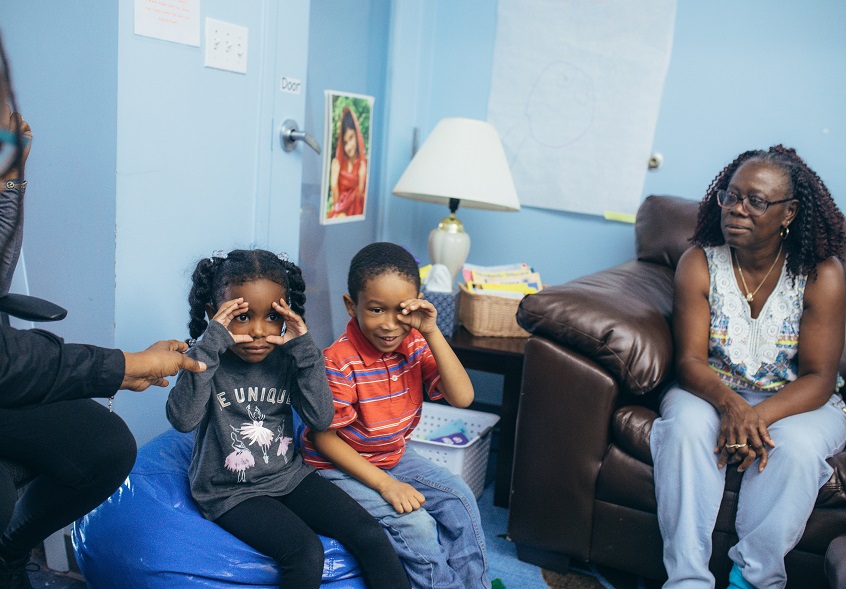
Join Brazelton Touchpoints Center on October 26 for “Building Resilience While Social Distancing: Parental Depression & Coping” to learn coping skills you can share with parents to address the effects of isolation in the short and long terms.
About
This webinar will explore the similarities between isolation and depression, paying close attention to the distinct needs and behaviors of parents suffering from depression and anxiety. Participants will learn coping skills they can share with parents to address the effects of isolation in the short and long terms. Participants will also learn when to consult with mental health professionals in their work with families.
Registration
To register and learn more, visit the event registration page. Space is limited.
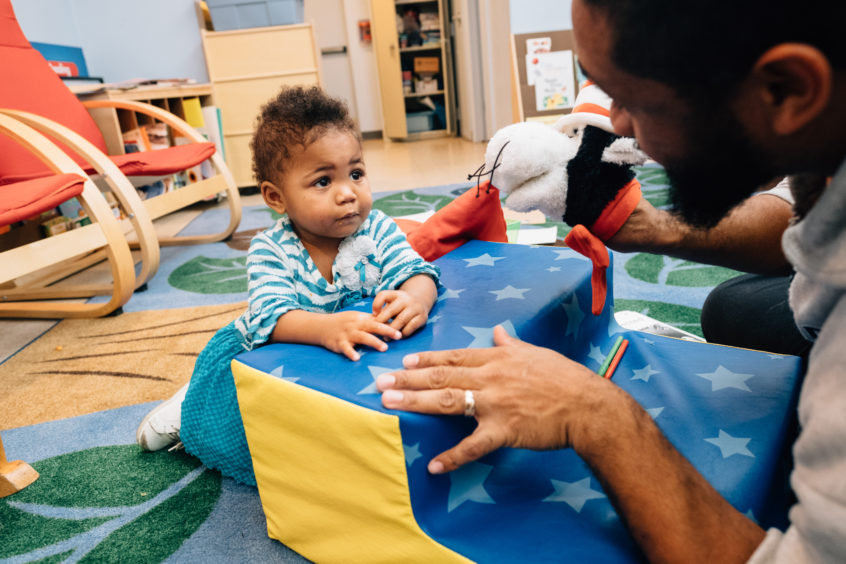
Are you interested in learning evidence-based tools parents, teachers, and children can use to self-soothe and regulate their emotions? Join Coach Troy Byer on September 22 for “Stress Management Tools and Techniques.”
About
In this webinar, Mind Care & Emotion Regulation Expert Troy Byer will highlight tools and tips parents, teachers, and children can use to self-soothe and regulate their emotions – especially when confronted with stressors, threats, or challenges.
Coach Troy will help participants learn exercises focused on self-soothing and emotion regulation techniques that address confusion, anger, anxiety, depression, and help children regulate their behavior. Participants will complete this webinar with a toolbox of organic, quick, effective, and fun techniques.
Featured Topics
This webinar will feature the following topics:
-
- how to use Emotion Regulation Finger Holds, how they work, and why they work so well;
-
- how to distinguish emotional triggers and how to deactivate a trigger before it is expressed negatively; and
-
- the importance of maintaining a state of peace and right brain/left brain coherence and how to organically regulate the experience.
Registration
To register, visit the event webpage.
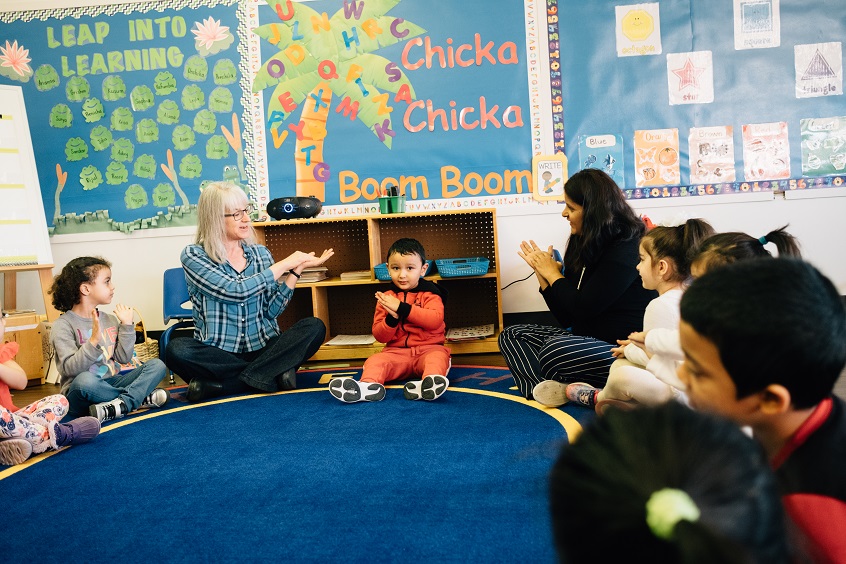
Join the Brazelton Touchpoints Center, the Center for Child and Family Well-being at the University of Washington, and the Center for Mindful Self-Compassion for their three-part webinar series, “Mindful Self-Compassion.”
About the Series
In response to the COVID-19 pandemic, the Brazelton Touchpoints Center, the Center for Child and Family Well-being at the University of Washington, and the Center for Mindful Self-Compassion have teamed up for a three-part webinar series that will introduce families and family-facing providers to mindful self-compassion (MSC) practices to help them care for themselves and each other.
Available Webinars
-
- Heart Skills for Our Families and Ourselves in Challenging Times | April 29, 2020 | 3 p.m.
This first webinar will provide an introduction to MSC, the research that supports it, and a few simple ways we can bring it into our lives during these challenging times. Participants will learn how MSC is being practiced in diverse communities around the world, can build resilience in all kinds of families, reduce caregiver burnout, and strengthen relationships. Participants also will have a chance to experience MSC through a few brief practice exercises during the webinar.
-
- Co-Creating Heart Skills with Communities | May 13, 2020 | 3 p.m.
This second webinar will explore how communities can create culturally relevant, trauma-informed mindfulness, and self-compassion programs. Representatives from a team of parent leaders and health care partners in Seattle, Washington, will share their experience developing community-led mindfulness and self-compassion practices to promote the well-being of youth, families, and communities who are marginalized.
-
- Co-creating Heart Skills in Early Childhood Programs and Systems | June 24, 2020 | 3 p.m.
This third webinar will explore how early childhood programs and systems use mindfulness and self-compassion to support their providers and the families and communities they serve. Participants will learn about the approaches diverse early childhood organizations are taking to adapt and integrate mindfulness and compassion to deeply inform organizational culture and systems change.
More Information
For more information, visit the Brazelton Touchpoints Center website. For more courses, visit our Course page.
*Information provided by the Brazelton Touchpoints Center
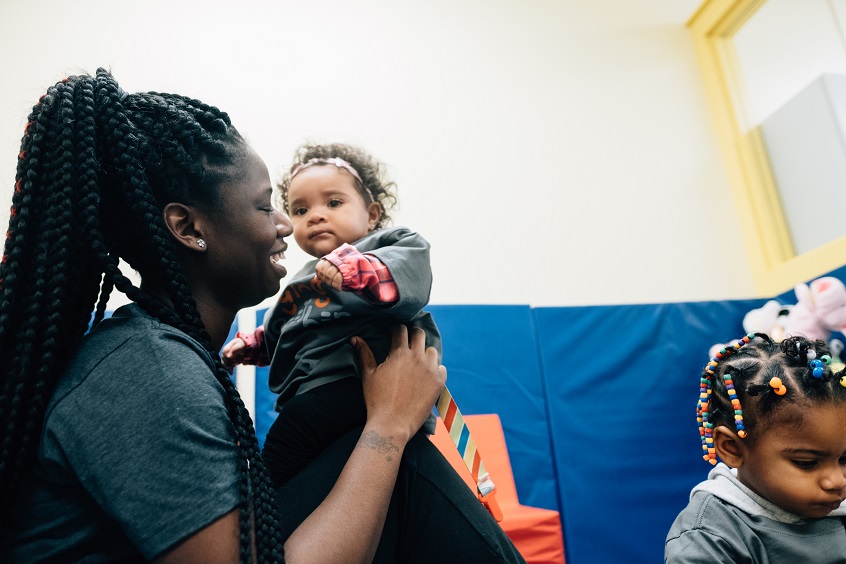
Join the Brazelton Touchpoints Center, the Center for Child and Family Well-being at the University of Washington, and the Center for Mindful Self-Compassion for their three-part webinar series, “Mindful Self-Compassion.”
About the Series
In response to the COVID-19 pandemic, the Brazelton Touchpoints Center, the Center for Child and Family Well-being at the University of Washington, and the Center for Mindful Self-Compassion have teamed up for a three-part webinar series that will introduce families and family-facing providers to mindful self-compassion (MSC) practices to help them care for themselves and each other.
Available Webinars
-
- Co-creating Heart Skills in Early Childhood Programs and Systems | June 24, 2020 | 3 p.m.
This third webinar will explore how early childhood programs and systems use mindfulness and self-compassion to support their providers and the families and communities they serve. Participants will learn about the approaches diverse early childhood organizations are taking to adapt and integrate mindfulness and compassion to deeply inform organizational culture and systems change.
More Information
For more information, visit the Brazelton Touchpoints Center website.
*Information provided by the Brazelton Touchpoints Center